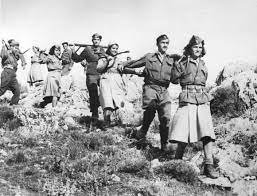
SOE Greek Section: The capture of General Heinrich Kreipe, Crete 1944.

Members of the Cretan Resistance. Top photograph SOE agents Fermor and Moss dressed as German soldiers.

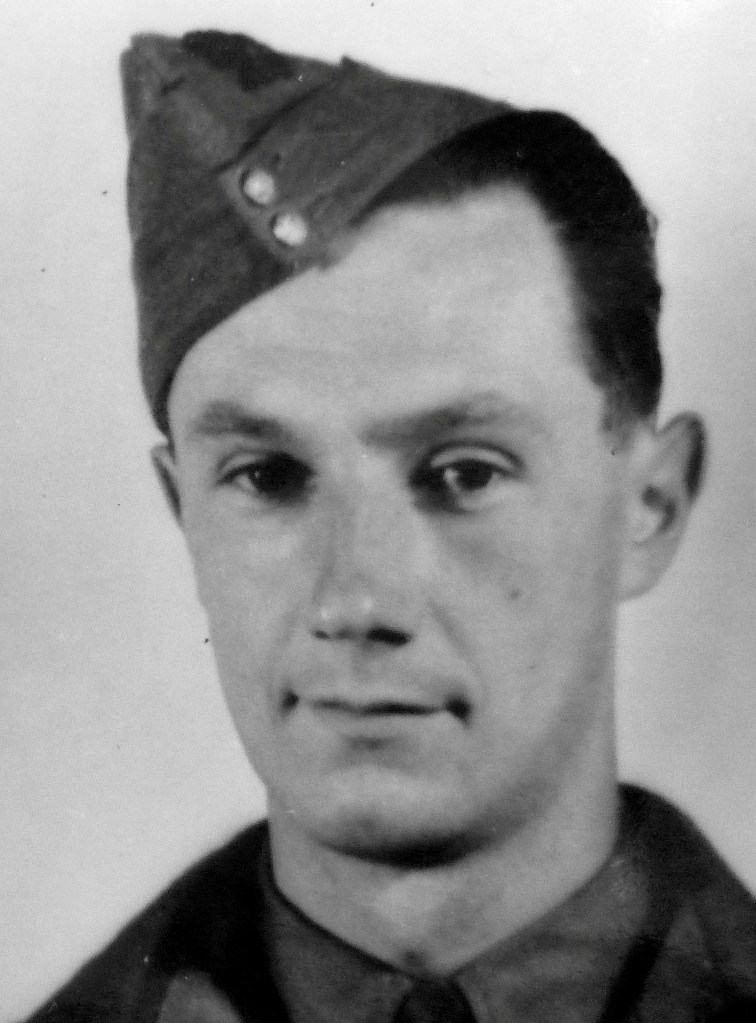
Leigh ‘Paddy’ Fermor served with the Irish Guards but due to his knowledge of modern Greek history he soon came to the attention of the Greek Section of the Special Operations Executive (SOE). He fought in Crete and mainland Greece during the German occupation and infiltrated Crete three times once by parachute to organise the Cretan Resistance whilst disguised as a shepherd and lived in the mountains for two years.

Fermor with SOE officer William Stanley ‘Bill’ Moss as his second in command and a small group of Cretan Resisters received orders to capture the German commander of Crete General Muller but before the start of the operation Muller was unexpectedly replaced by General Kreipe and after informing SOE they were instructed to capture Kreipe.
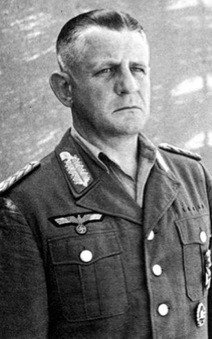
General Kreipe

General Kreipe was a career officer who served at the Battle of Verdun during the Great War and during the Second World War participated in the Battle of France, the Siege of Lenigrad and after a short period working in Germany he returned to the Eastern Front. On 1 March 1944 he was appointed Commander of 22nd Air Landing Infantry Division stationed in Crete and replaced General Muller as the senior officer on the Island.
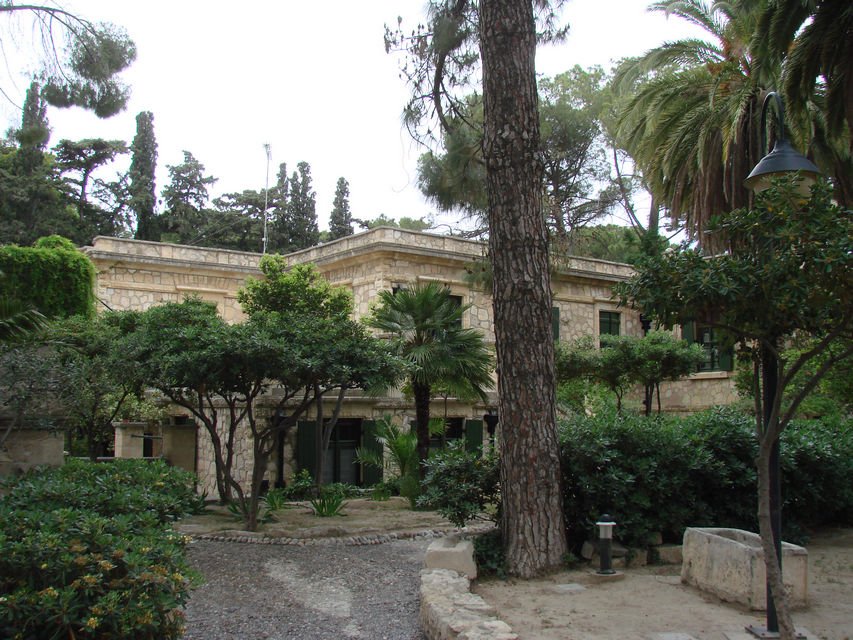
Villa Ariadni

On the night of 26 April 1944 General Kreipe was driven by staff car from his headquarters in Archanes without an escort to his well-guarded Villa ‘Ariadni’ approximatley 5 km from Heraklion. Fermor and Moss dressed as German Military Police Officers waited some distance from his residence for his car to arrive.

After being flagged down by the two SOE officers the car stopped at what appeared to be a routine security check. As Moss asked the driver for his identity papers Fermor opened Keipe’s door, jumped in and threatened him with his pistol. Moss then shot the driver, got into the driving seat and quicklt drove away.
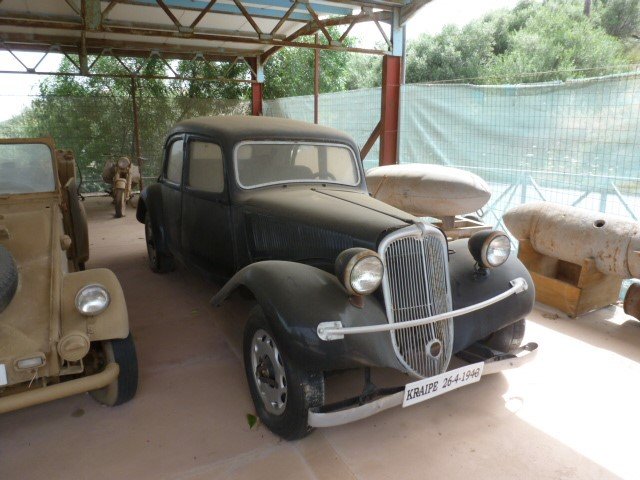
Staff car used by General Kreipe (source unknown)

They successfully drove through 23 German checkoints before abandoning the car and with assistance from members of the resistance disappeared into the mountains. It was not long before the alarm was sounded, and the small team was being pursued across Crete by large numbers of German troops supported by a spotter aircraft, but the Crete resistance was familiar with the mountains and various caves where they could hide and eventually guided them undetected to the pickup point on the south coast where they were taken by boat to Egypt.
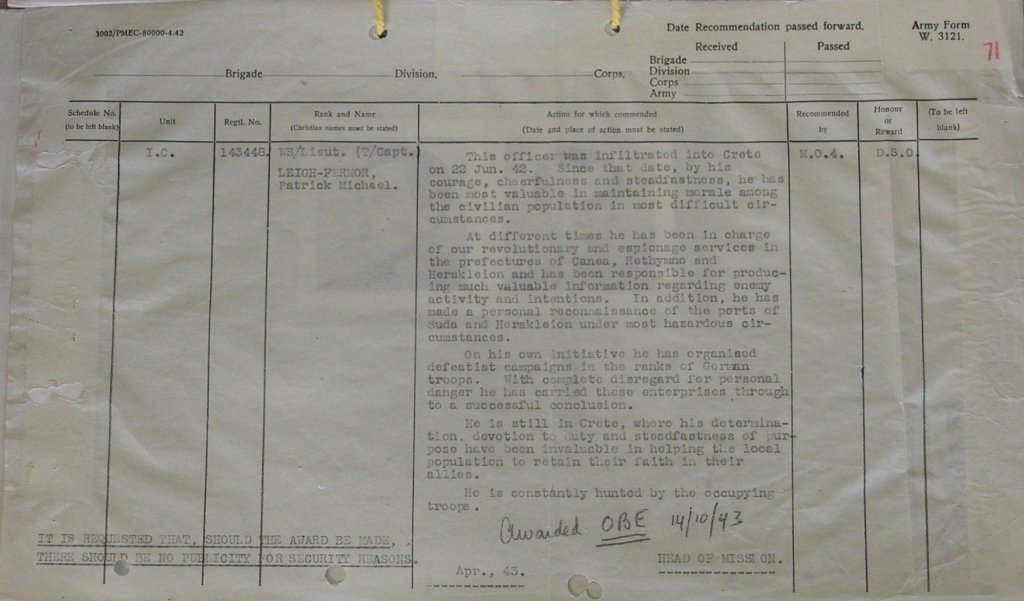
Offcial document for the award of an OBE.

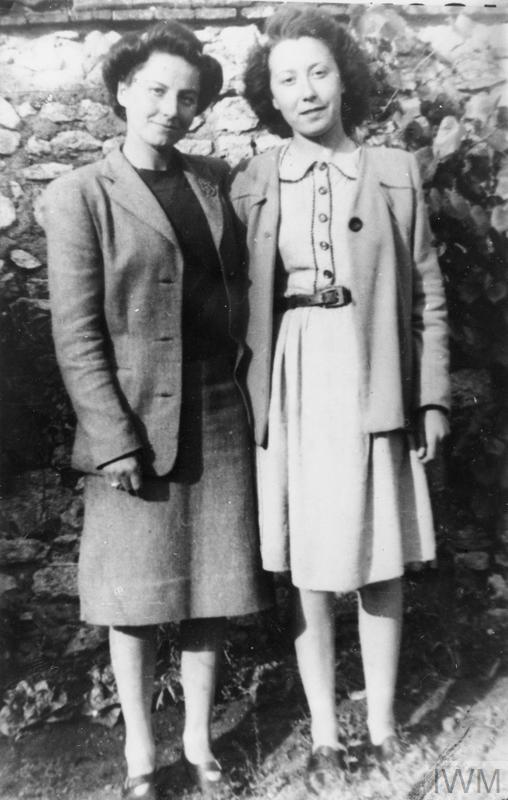
Lilian Rolfe SOE wireless operator in France

Lilian Rolfe (left) standing outside a safe house in France with the daughter of the family working for the resistance. (IWM)

After completing her training and being accepted as an agent by the French Section of the Special Operations Executive (SOE) on the night of 5/6 April 1944 Lilian Rolfe was dropped by parachute onto remote farmland near Orléans in north-central France to be the wireless operator for the Historian network supporting the Maquis (French Resistance). Apart from reporting German troop movements, arranging and organising arms and supplies to be dropped by parachute she also worked alongside the Maquis and is known to have been involved in a firefight in the town of Olivet south of Orleans.

George Wilkinson head of the Historian Network (common source)

Shortly after D-day her circuit leader, George Wilkinson, was captured by German troops and Rolfe continued sending messages to London to support the Maquis but was later captured by the Gestapo whilst transmitting from a safe house in Nargis. Although she was repeatedly tortured for information her wireless was not ‘played back’ to London by a German operator which means she refused to reveal her codes and in August 1944 Rolfe was deported to Ravensbrück Concentration camp in northern Germany. During an investigation after the war it was discovered Rolfe was so ill she was unable to walk (later reports state this was due to leg injuries sustained during torture) and on 5 February 1945, 30-year-old Lilian Rolfe was executed and her body disposed of in the camp crematorium.


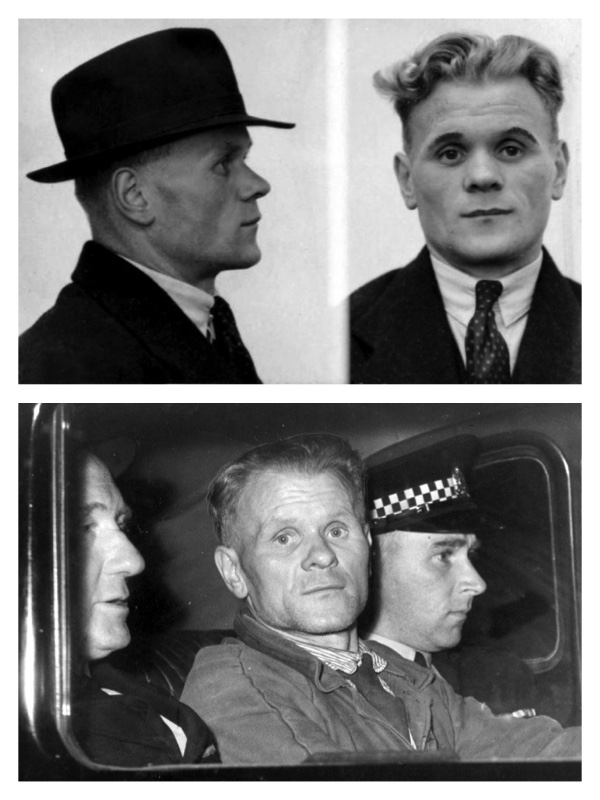
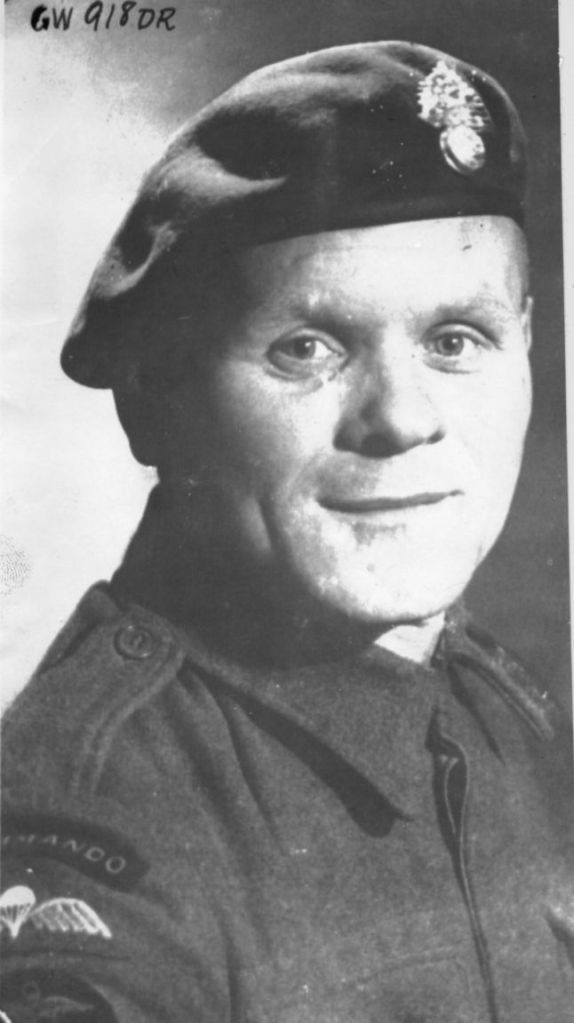
Johnny Ramensky: the Glaswegian who cracked safes behind enemy lines during WW2

Johnny Ramensky spent most of his life in and out of jail.

    Several agents who served with the Special Operations Executive who graduated from the Beulieu finishing school mentioned a larger than life Glaswegian career criminal called Johnny Ramensky who was also known as ‘Gentle Johnny’ because every time he was arrested he was polite to the police and owned up to his crimes. Ramensky had a Polish Father and Scottish mother and was released from prison after agreeing to train students to become safecrackers and cat-burglars and after disappearing from Beulieu it was rumoured he was back in prison after being caught breaking into a safe.

Due to his criminal skills still being in demand he was released from prison again in 1943 and enlisted into the Fusiliers, but throughout the remainder of the war he served with 30 Commando and was later awarded the Military Medal. Apart from cracking safes and sabotage operations behind enemy lines it was widely said Ramensky found time to loot the Germans and find ways to transport various valuables back to Scotland and even gave an expensive ‘stolen’ present to the governor of a prison where he previously served time for burglary and during a short time in hospital a senior police officer who arrested him several times over many years sent a letter addressed to  ‘Gentle Johnny’ wishing him a speedy recovery.   

Ramensky started his long criminal career shortly after leaving school and spent 40-years of his life in and out of various prisons and after the war returned to crime. Sometime in 1972 Ramensky was sentence to one-year in prison after being caught on the roof of a shop and whilst in prison ‘Gentle Johnny’ suffered a stroke and died at Perth Royal Infirmary on 4 November 1972.

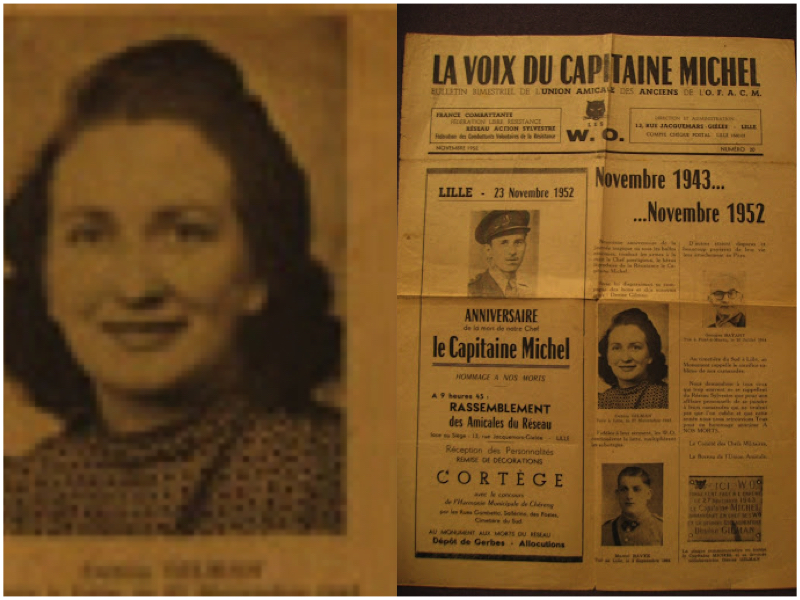
Denise Gilman SOE Agent In France.

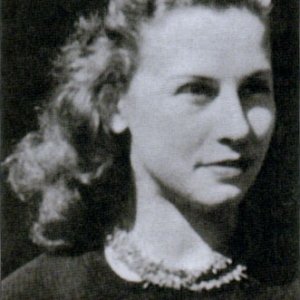
Due to lack of records which adds to the difficulty of researching SOE there is little information about the war service of Denise Gilman (Gilman, Denise, Irene, Marguerite) and I have to thank Christine Quintlé for filling in many of the gaps as well as providing the only known photograph of her.  Gilman was born on 30 June 1921 in Waziers (North), a commune in the Nord department in northern France, 4 km northwest of Douai and 25 km south of Lille, and at the time of her resistance activities she was 22-years-old.

Gilman fits the description of a woman driving a charcoal burning van which broke down in front of German soldiers near their barracks who insisted on pushing her vehicle to their workshop for repairs.  Whilst working on the vehicle the woman thought to be Denise Gilman flirted with the soldiers to draw attention away from her cargo. Fortunately, they did not open the rear doors and see it was loaded to the ceiling with explosives and weapons. After repairing her vehicle, she warmly thanked the soldiers and continued her journey. It is known Gilman worked as the courier for SOE agent Michael Trotobas (mentioned in another post) and both were part of the Farmer network (also known as the Sylvestre Farmer Network) which operated in Lille; it is also known Denise Gilman and Michael Trotobas had been wanted by the Gestapo since August 1943. Gilman travelled extensively whilst liaising with members of the Resistance and SOE agents in Lille, Arras, Amboise and Paris and on the evening of 26 November 1943 after arriving from Paris she Stayed at a safe house at 20 boulevard de Belfort Lille with Trotobas and were due to move to another safe house.

Although complicated and beyond the scope of this post, essentially, a captured agent gave their safehouse address to the Gestapo.

At 6 am the safehouse was surrounded by German Field Police and although greatly outnumbered Gilman and Trotobas refused to be taken alive and engaged the Germans in a firefight during which both were fatally wounded. Several days after their deaths members of the resistance searched the flat and found a traumatised black cat hiding under a bed and the cat became the symbol for local resistance by the Farmer circuit.

 There is much we don’t know about Denise Gilman but her heroic stand with Michael Trotobas is well documented.

SOE Agent Anne-Marie Walters

In December 1943, twenty-year-old Anne-Marie Walters was minutes away from parachuting into France when her mission was aborted due to heavy fog over the drop zone and the aircraft returned to England. The bomber was diverted to another airfield not normally used by the RAF Special Duties Squadron where no questions were asked about female passengers. During the landing the aircraft hit pine trees and crashed short of the runway and caught fire. Walters and another agent named Jean-Claude escaped through a hole in the fuselage. Walters later recalled: “As ground crews ran to the burning aircraft one shouted what the hell is this woman doing in this mess? We decided to say we were journalists, but it was doubtful whether anyone would believe us; our jump suits and arms and scattered containers would give us away… The rest of the crew apart from the dispatcher were killed.”

 On the night of 3-4 June 1944 Walters and Jean-Claude successfully infiltrated France by parachute and Walters joined the Wheelwright Network as their courier.  Her cover story was that she was a student from Paris recovering from pneumonia who was visiting friends who had a farm. Walters travelled throughout SW France. After 15 members of the French Resistance escaped from prison she organised their escape across the Pyrenees, she helped deliver several suitcases of explosives to Toulouse to blow up a power station. After one journey Walters said, “My family might not have recognized me had they seen me sitting in a third-class carriage with a beret tipped low over my forehead, wearing an old raincoat and generally looking half-witted while eating a chunk of bread and sausages”.
Whilst fighting 2000 German troops during which 19 members of the resistance were killed, under heavy enemy fire Walters distributed hand grenades and ammunition to members of the Maquis before their position was overrun.
Later during her life Anne-Marie Walters suffered from Alzheimer’s disease and died in France in 1998 at the age of 75.

SOE Agent Yvonne Rudellat

Yvonne Rudellat was an SOE Courier who was involved in a number of operations and the following is an overview. On 20 July 1942 after crossing from Gibraltar by felucca under the cover of darkness she arrived by rowing boat on a deserted beach a few miles from Cannes. She used the cover name Jacqueline Gautier but used other identities whilst working for various networks. She took a train from Cannes to Lyon and from there took a train to Paris where she hid in the tender of the locomotive to cross the demarcation line. From Paris she went to Tours and worked for the Monkeypuzzle circuit where she organised agents and supplies to be dropped by parachute and also travelled by bicycle to liaise with scattered members of the resistance. After Monkeypuzzle was infiltrated by German agents she teamed up with SOE agent Pierre Culioli and took the cover of a married couple with the surname Leclaire and continued organising parachute drops.

Working as a married couple they picked up two Canadian SOE agents, John Macalister and Frank Pickersgill who arrived in France by Parachute a few hours previously. Culioli was driving the car, Yvonne was sitting next to him and the two Canadians were sitting in the back when they reached a roadblock in Dhuizon. The reason why the Canadians were ordered out of the car and why their covers were blown is beyond the scope of this post. After German soldiers ordered Rudellat and Culioli out of the car Culioli put the car in gear and accelerated away and soldiers started firing at them. They were quickly pursued by a vehicle full of German soldiers who were shooting at them and Yvonne was seen leaning out of the car window returning fire before slumping back on her seat after being shot in the head, shortly afterwards Culioli was shot in the leg and the car crashed into a wall. Yvonne was taken unconscious to Blois Hospital where doctors found the bullet had not entered her brain and decided it was too dangerous to remove the bullet. When she gained consciousness she was confused, did not know her name or understand why she was in France.

On 2 March she arrived at Bergen-Belson concentration camp during a typhus epidemic during which an estimated 20,000 prisoners died. Rudellat never recovered her memory and eight days after the camp was liberated Yvonne Rudellat died of typhus and dysentery and was buried in a mass grave along with 5000 other bodies.

SOE Resistance Organiser Michael Trotobas

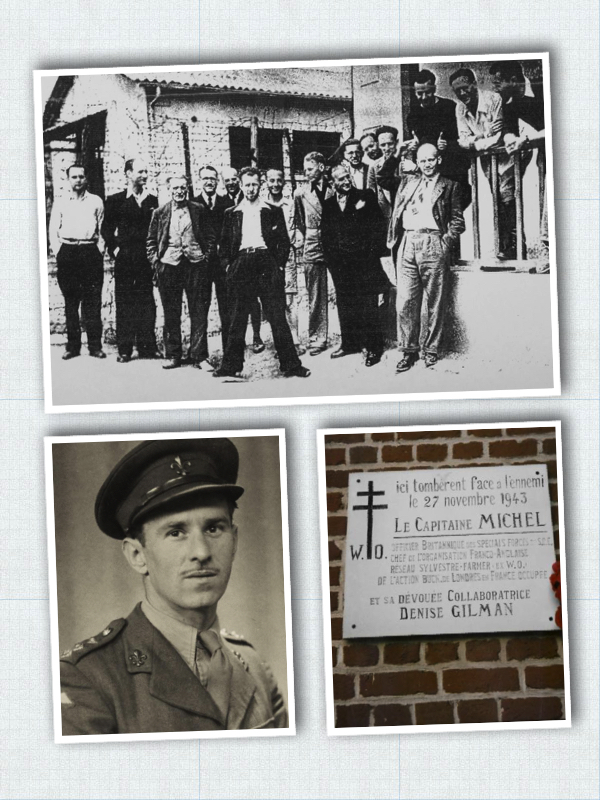
Trotobas with legs astride in prison

Michael Trotobas was known as a lively character with well-developed leadership skills. During his training in Scotland he got drunk and went Salmon fishing with explosives and whilst serving in France he was noted for going out in the middle of the night by himself and firing a burst from his Sten Gun to unnerved German troops. Trotobas volunteered for three missions to France, several months after arriving on his first mission he was arrested and was part of a mass prison breakout by SOE agents and members of the Resistance. (photo Trotobas with legs astride in prison) and during his second mission he distinguish himself as a resistance organiser and leader.  In November 1943 he created the Farmer network with more than 800 resisters based in Lillie and led many sabotage operations and respectfully became known as ‘Capitaine Michel’. In February 1943 he organised the derailment of 40 trains and closed the railway for two days and over the following months Farmer attacked around 20 trains per week which created delays in supplying German forces in the Lillie region. On the night of 27/ 28 June 1943 with forged Gestapo identification papers Trotobas lead 20 men from the resistance dressed as gendarmes and talked his way into the Locomotives sheds in Lille, as well as damaging locomotives they destroyed four million litres of oil and damaged 22 transformers. 

Instead of keeping a low profile Trotobas insisted on taking the same risks as those under his command and personally led many sabotage operations but was eventually denounced by a member of his network.

After his safehouse in Lillie was surrounded by German soldiers it was clear to Trotobas and his assistant, 23-year-old Denise Gilman, they were outnumbered, out gunned and there was no escape, but they decided to make a last stand against overwhelming odds. After a lengthy gun battle inside the flat Trotobas and Gilman were shot and a witnessed later described their bodies being thrown into the street as a deterrent to members of the resistance. Immediately after the death of ‘Capitaine Michel’ Farmer destroyed 11 locomotives at Tourcoing and continued sabotaging high value targets.

By the time France was liberated out of the 800 members of Farmer Circuit more than 300 had been killed in action, executed or disappeared after being transported to concentration camps.

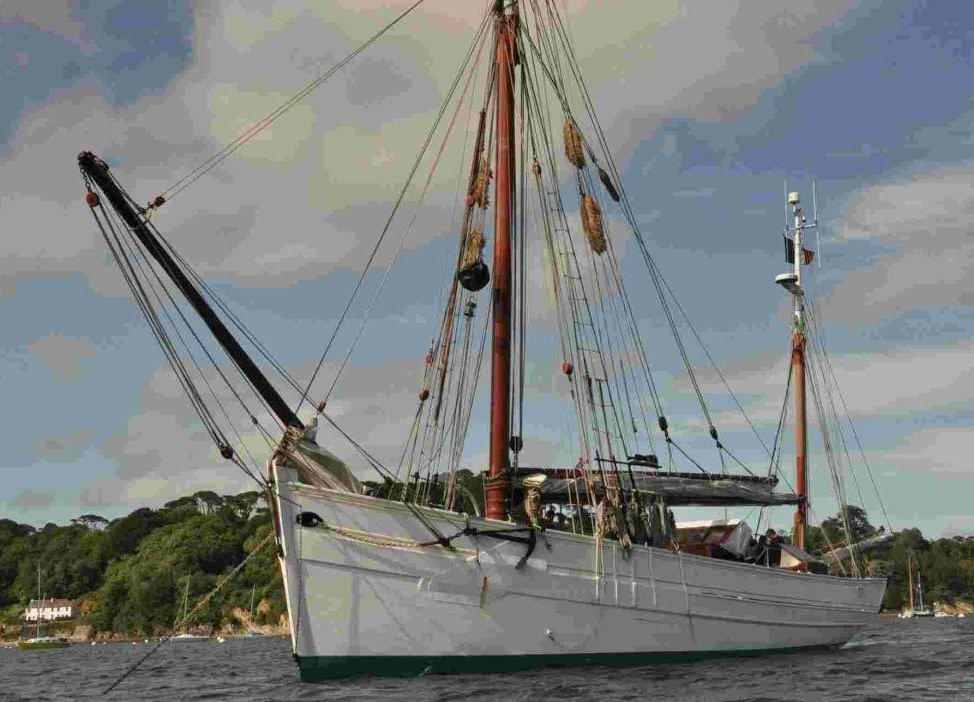
Gerry Holdsworth and the Helford Flotilla

In 1940 after SOE decided they needed a clandestine naval section to support their agents in France they quickly became aware finding officers and men with the essential seamanship skills and experience would be difficult.  They needed men who could quietly navigate rocks and sandbanks close to enemy shores in pitch-darkness and without the aid of moonlight.

Through their network of discreet contacts SOE was given the name of Gerry Holdsworth and discovered he had all the qualifications they were looking for in a commander: whilst working for D Section SIS (MI6) he used a small yacht to reconnoiter the Norwegian coast and whilst operating at night and close to the shore he frequently navigated the various hazards.

After being approached by SOE to command their naval section he accepted the appointment and he along with his wife who had also served with D Section established the flotilla on the Helford Estuary at Port Navas in Cornwall.

Those he recruited included Fishermen with extensive experience of the enemy coast and former smugglers which one officer described as the buccaneer type who if they overheard we needed something they would go out and pinch and it would suddenly appear on the quay.  Apart from transporting agents to and from Brittany they also delivered weapons and sabotage stores and rendezvoused with French fishing trawlers and loaded them with Tuna packed with explosives, detonators and timing devices.   

The Mutin

One new recruit who previously served as a quartermaster with the Royal Navy later recalled, “On my arrival at the quay I saw heaps of sails on the deck covered in blood. Shipwrights were digging out shrapnel from bow to stern and I thought to myself God what have I let myself in for! … I was later told, after dropping off an agent the Mutin {name of vessel} was spotted by a German aircraft and raked by cannon fire during which the engineer was killed…”    

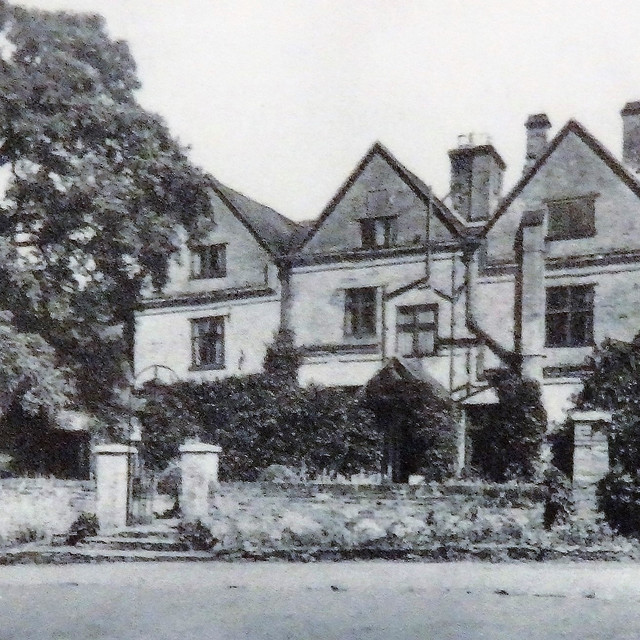
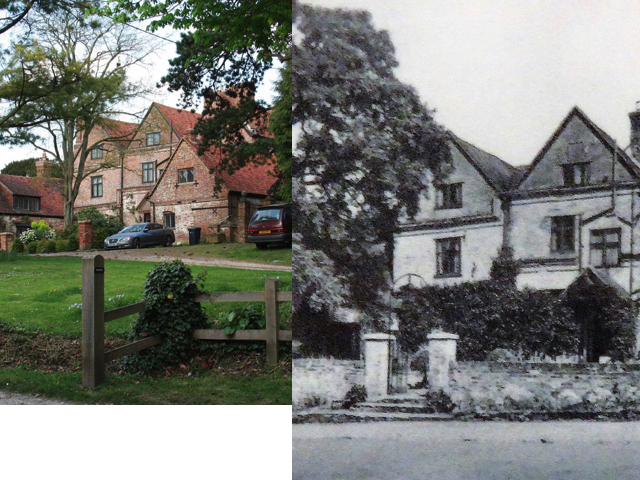
Wanborough Manor :A widely forgotten historic building connected with SOE during WW2

This 16th century manor house located near the Hogs Back in Guilford, Surrey is now private property which has been divided into several expensive apartments. Located in the small village of Wanborough from which it took its name, before being converted after the war Wanborough Manor was one large property in several acres of its own private grounds with a medieval barn and a small chapel.

In 1940 this large, isolated property along with its grounds were commandeered for war service and become the preliminary training school for the French Section of the Special Operations Executive and was officially referred to as STS 5, Ironically the manor is not far from a village called Normandy, and the first ‘students’ arrived in February 1941.

Apart from fitness training and being taught basic military skills Wanborough was used to weed-out those considered unsuitable to become agents, students the training staff believed would be unable to pass the advance training in Scotland or the finishing school at Beaulieu in the New Forrest. Wanborough was used until March 1943 when the Students Assessment Board (SAB) was established at Winterfold House near Cranleigh in Surrey.

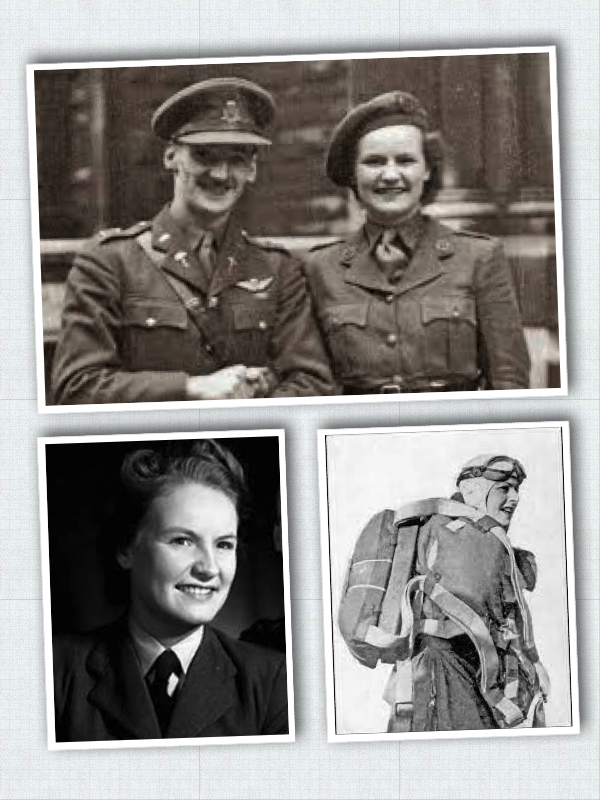
Sonya Butt: SOE Agent with the French Section

(There is dispute as to whether the woman wearing the Parachute is Sonya Butt)

On this day 28 May, in 1944 Sonya Butt was 20 years-old and only recently completed her training when she infiltrated France by parachute to work for SOE’s underground circuit called ‘Headmaster’ which was preparing to support the Normandy Landings. Butt travelled great distances mainly by train and bicycle throughout France delivering messages and liaising with other parts of the clandestine network during which she was regularly stopped and questioned by German troops, but her cover story and forged documents passed scrutiny. After their weapons instructor was killed as well as continuing her essential work as a courier to ensure Headmaster was ready to sabotage prearranged targets, ambushing German forces and work in conjunction with other circuits supporting the landings, Butt also became the circuit’s weapons instructor and began teaching members of the resistance how to use a variety of weapons and basic field craft.  Sonya was born in Eastchurch, Kent England and after the war married Canadian SOE agent Guy D’Artois and moved to Canada, she died in Montreal on 21 December 2014 at the age of 80.