Manfred Von Richthofen (Red Baron) the greatest fighter ace?

On 2 May 1892 Manfred Von Richthofen was born in Kleinburg near Breslau which is now part of Warsaw, Poland, and his family were influential members of the Prussian aristocracy.

At the start of World War One in 1914 Von Richthofen was serving as a cavalry officer and in 1915 he decided to transfer to the German Air Force which had been founded in 1910 and already this new branch of the Imperial Germany Army was noted for upholding the honour of Prussian military tradition.
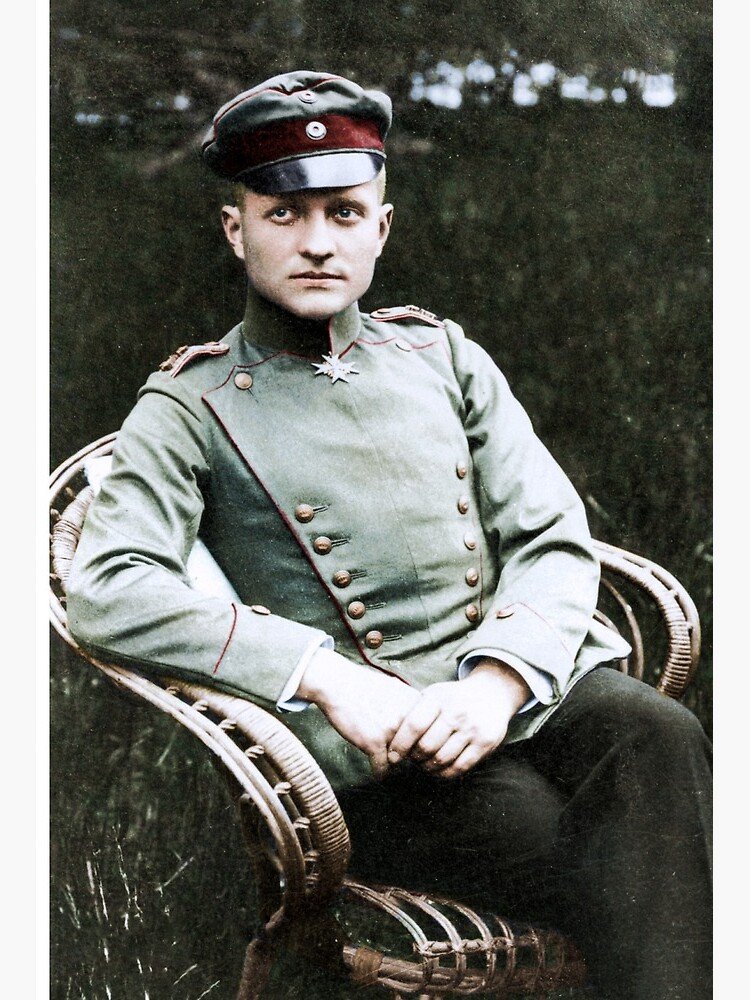
Manfred Von Richthofen wearing the Blue Max which was Prussia’s highest military order

At the age of 23 Richthofen’s mentor was German Fgher Ace Hauptmann Boelcke who was one of the most influential patrol leaders and was described as the ‘Father of Air Fighting Tactics’. Boelcke officially had 40 aerial victories but his student Manfred Von Richthofen later more than doubled this and became a legend throughout Germany and among his enemies whilst Boeleke became widely forgotten as Von Richthofen’s celebrity status as a fighter ace increasingly grew.

Richthofen was one of the first members of fighter squadron Jagdstaffel 2 in 1916 and in 1917 became the leader of Jasta 11, which later formed the larger fighter wing Jagdgeschwader 1 which became better known as the ‘flying circus’ because all the aircraft were brighly painted and by the way the fighter wing moved throughout allied areas like a travelling circus.
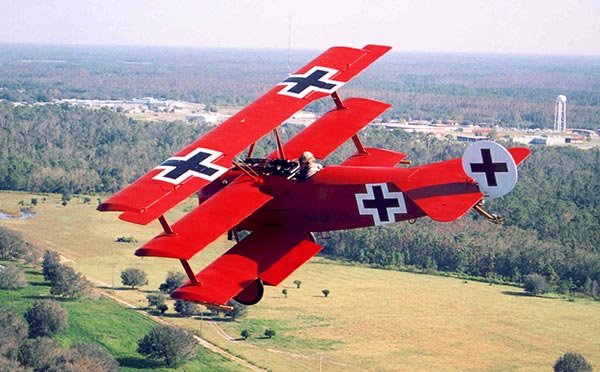
(source unknown)

Manfred Von Richthofen’s red aircraft became famous and his 80 air combat victories earned him the nickname the ‘Red Baron’.
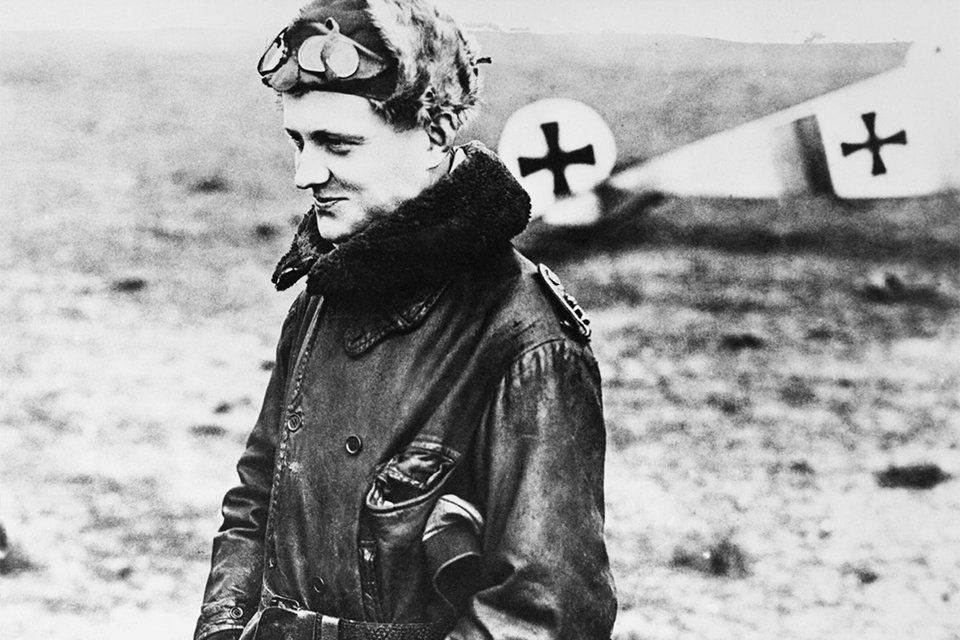
Photograpth taken in 1916 early during his flying duties.

On 23 Novemeber 1916 Richthofen shot down British Fighter Ace Major Lanoe VC during a long dog fight during which Lanoe was eventually shot through the head and Richthofen immediately showed his respect by publicly describing Hawker as the ‘British Boelcke’.
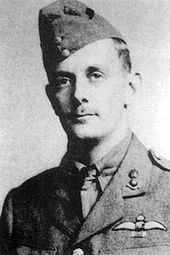
Major Lanoe Hawker VC.

Who Shot Down and Killed The Red Baron?
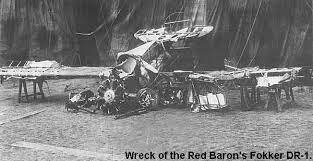
(source unknown)
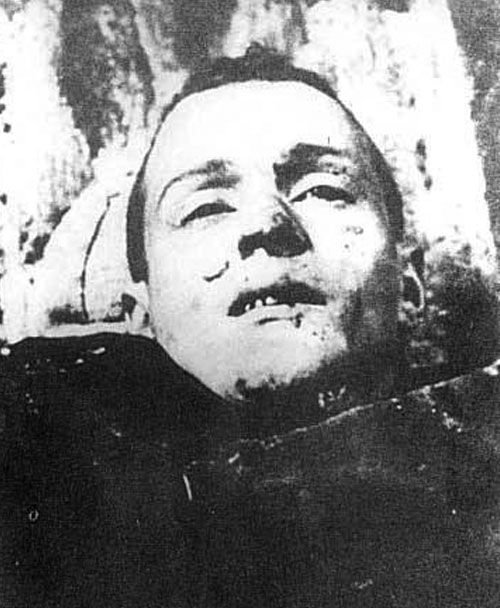
Body of Manfred Von Richthofen (aka The Red Baron)

The RAF credited a pilot named Arthur Roy Brown who was a Canadian serving with the Royal Navy Air Service with shooting down the Red Baron but most historians agree this was not the case and Manfred Von Richthofen was killed by machine-gun fire from the ground.

As fighters pilots were taught to attack the rear of enemy aircraft the autopsy report which states the fatal bullet penetrated Richthofen’s right arm pit and exited next to the left nipple, due to the angle supports the ground fire theory.
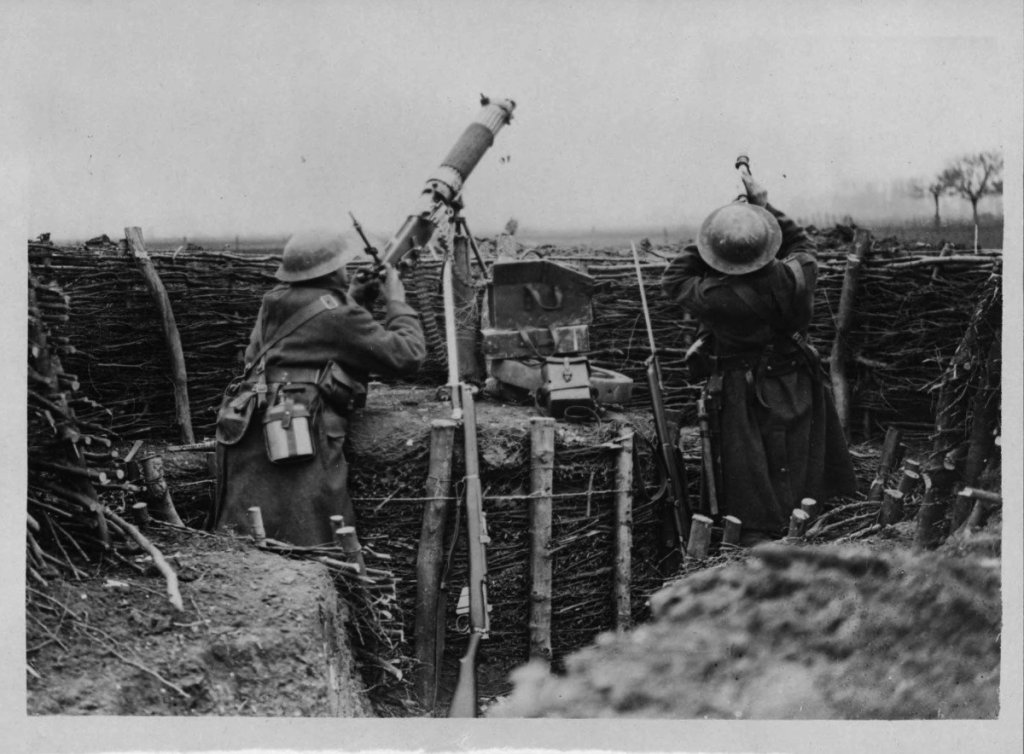
Machine gun being used to fire upon aircraft

It has also been claimed the fatal shot came from a soldier named Cedric Popkin who was an anti-aicraft gunner with the Australian 24th Machine Gun Company who fired at Richthofen on two occastions with a Vickers machine gun: first as he approached his position and then at long range to the right side of the aircraft and this second engagement supports the angle of the fatal bullet.

In 2002 it was suggested Gunner ‘Snowy’ Evans a Lewis machine gunner with the 53rd Battery, 14th Field Brigade, Royal Australian Artillery killed Richthofen, but this claim has been rejected due to the angle. Other sources suggest Gunner Robert Blue also of the 53rd Battery may have fired the fatal shot and although the Sydney council erected a plaque near his former home which states he shot down Manfred Von Richthofen the Red Baron this is also unlikely. The fact is, the person who shot down the Red Baron remains unknown.

Theories: Why did Manfred Von Richofen (Red Baron) fly dangerously close to enemy trenches?

Richthofen was a highly experinced and skilled pilot who followed the lessons from his mentor Boelcke among which was the basic rule of never flying close to enemy trenches and there is no logical explanation why he broke this rule on 21 April 1918 and was shot down.

Some historians suggest he may have been suffering from cumulative combat stress which made him fail to observe basic precautions. I find this theory quite persusasive becuase comparisons may be made with the shooting down by ground fire of British Fighter Ace ‘Mick’ Mannock VC who always warned new pilot to never fly low near German trenches but on 28 July 1918 Mannock broke his own rule and was shot down by a massive volley of ground fire from a German trench. (see further Mick Mannock the Irish Fighter Ace of WW1 an Malcher)
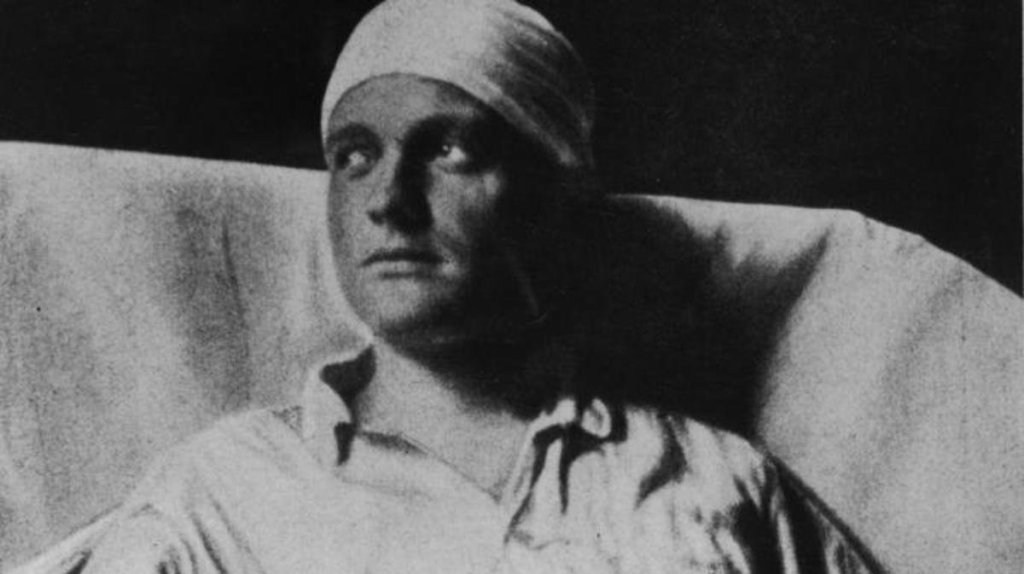
Richthofen in hospital recovering from a gun shot wound to the head. (source unknown)

Other historians suggest Manfred Von Richthofen was not fit to fly after receiving a bullet wound to his head during combat on 6 July 1917 and this theory is supported by unsubstantiated accounts of his personality having changed after being wounded. The fact remains, the person who shot down and killed Manfred Von Richthofen ‘The Red Baron’ and why he broke the basic rule of never flying in range of enemy tranches may never be known.
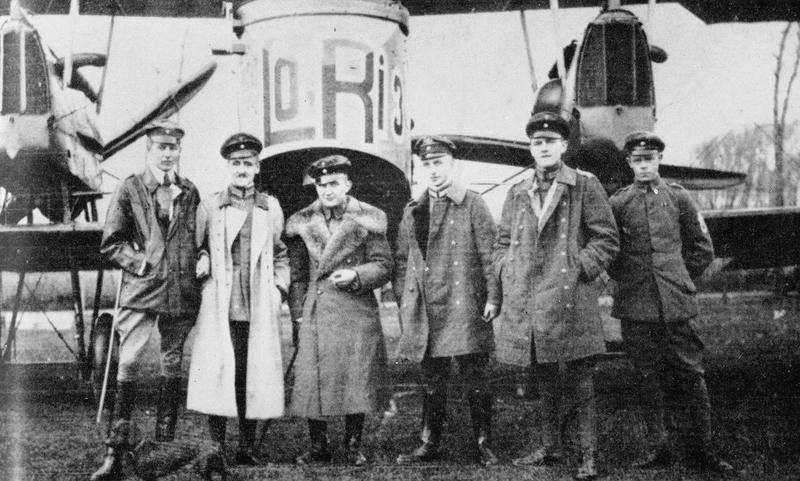
British Homefront during WW1. Germany’s strategic air attacks against British cities and civilian targets in 1917.

German bomber crew among those who took part in the attack (IWM)

During the war Britain had experienced several air raids on cities by Zeppelins but in 1917 Germany started strategically bombing British cities using bomber aircraft instead of their slow-moving Zeppelins.

On Wednesday 13 June 1917, 20 German bombers called Gotha GI. V’s took off from airfields in Ghent, Belgium to start the strategic bombing of London which was called Operation Tûrkenkreuz. Some aircraft dropped bombs on Margate, three bombs hit Shoeburyness and the remaining fourteen aircraft flew over east London.  

After dropping bombs on Barking, East Ham and the docks in East London by 12pm 70 bombs had been dropped near Liverpool Street Station; three hit the station killing 100 people and a further 400 were injured.

Upper North Street School was a London primary school in Popular which was rebuilt after the war and is now called Mayflower Primary School (the road is still called Upper North Street).

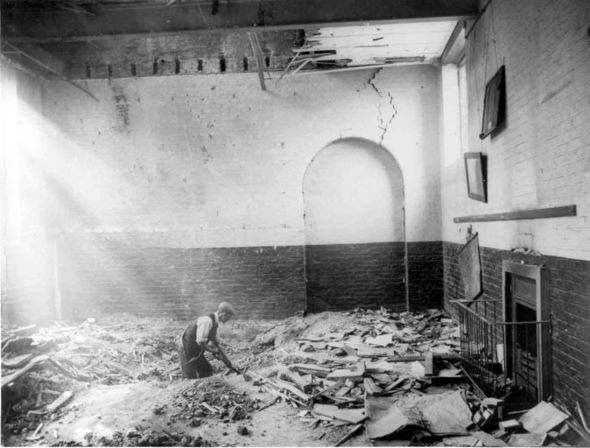
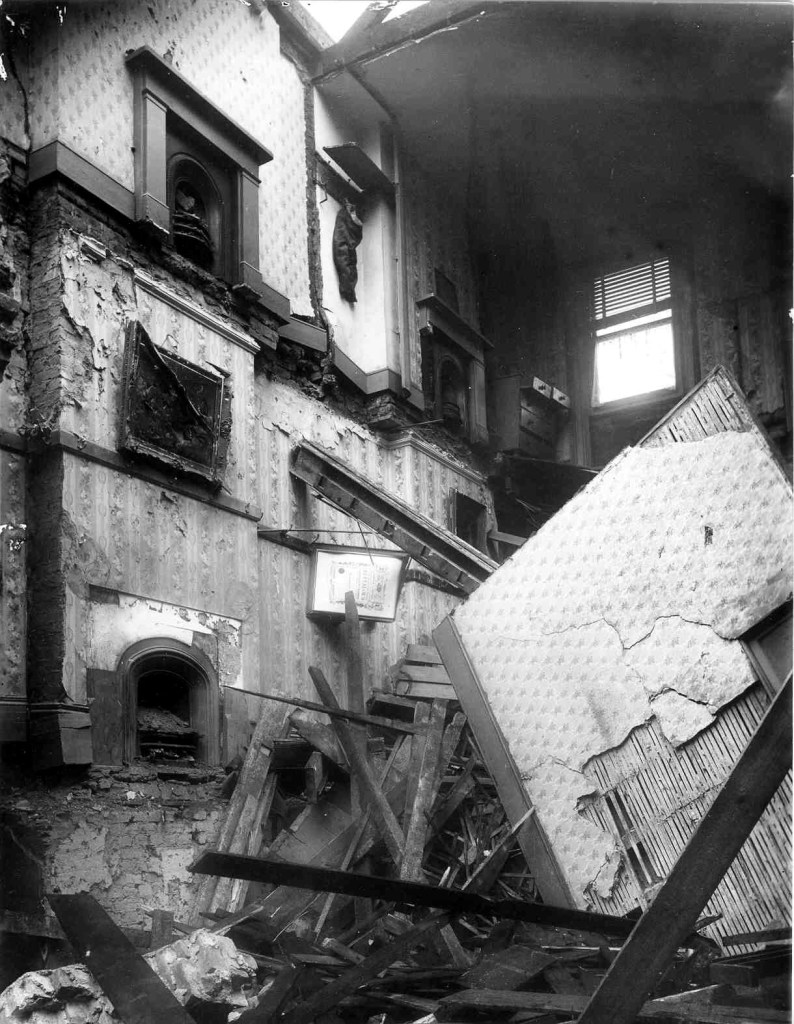
Upper North Street school was full with children when the German bombers flew over and dropped two 110 lb (50Kg) bombs which crashed through the roof then through the  top two floors before exploding in the ground floor class room killing 18 children, sixteen of whom were aged between four and six years old, 30 children were seriously injured and two older children were killed as the bombs passed through the upper floors of the building.

Upper North Street School (IWM)

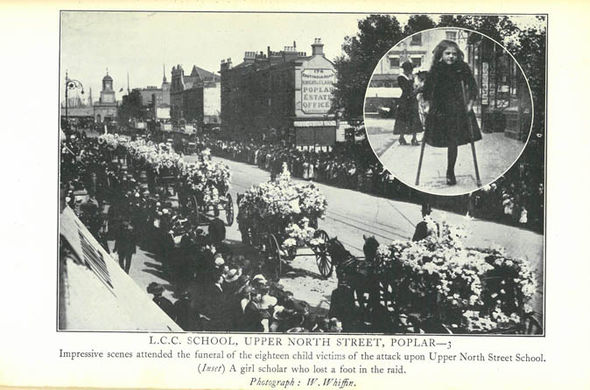
15 children were buried together in an east London cemetery and the last coffin in the funeral procession contained the remains of children who could not be identified.

School caretaker Benjamin Batt whose son was killed in the explosion looking for body parts

The Mazabotto Massacre, Italy 1944

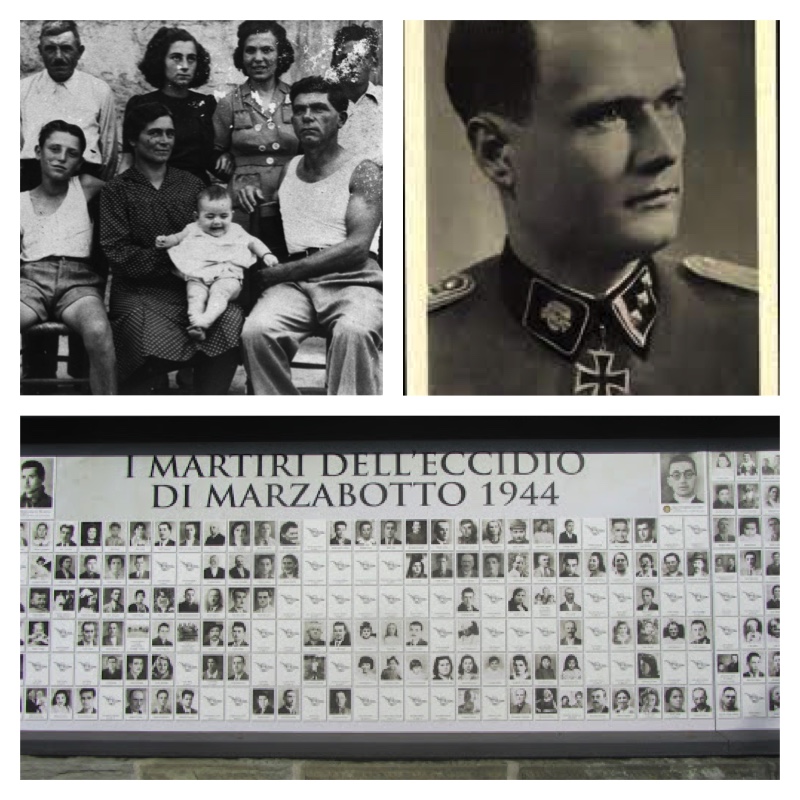
5th October marks the anniversary of the Mazabotto Massacre (29 September to 5 October 1944) also called the massacre of Monte Sole, Italy.

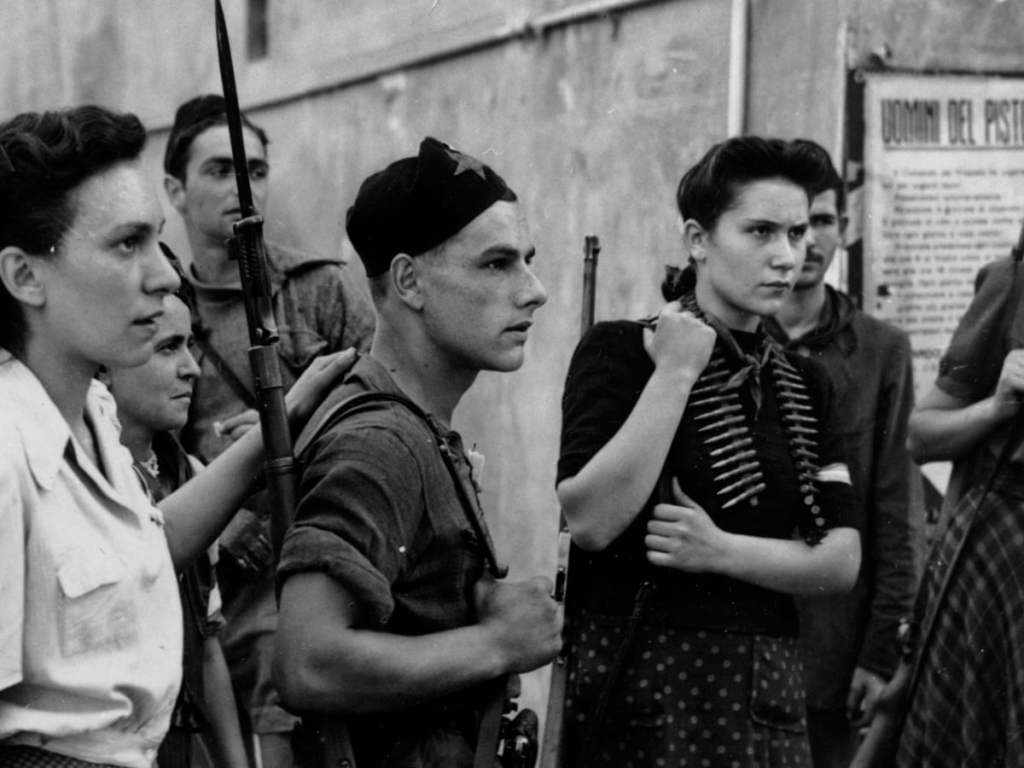
Italian Partisans (Resistance fighters)

After German troops came under sustained attacks from Italian Partisans (resisters) the 16th SS Panzergrenadier Division Reichsfuhrer- SS killed 700 civilians of all ages and genders in the village of Marzabotto in the mountains south of Bologna. Major Walter Reder, the SS commander who signed the order for the executions was later tried for war crimes and was sentenced to death by an Italian court but was released in 1985 and is said to have returned unremorseful to Austria and died in 1991.  Ten other SS officers were not convicted due to lack of evidence.

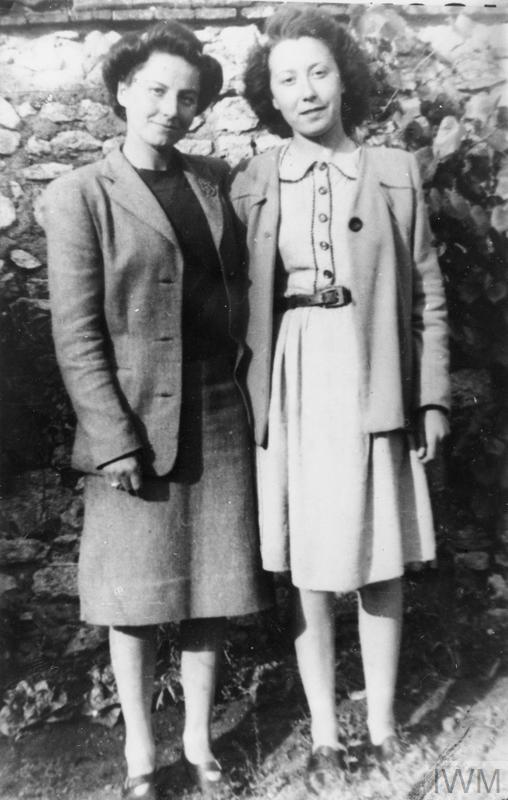
Lilian Rolfe SOE wireless operator in France

Lilian Rolfe (left) standing outside a safe house in France with the daughter of the family working for the resistance. (IWM)

After completing her training and being accepted as an agent by the French Section of the Special Operations Executive (SOE) on the night of 5/6 April 1944 Lilian Rolfe was dropped by parachute onto remote farmland near Orléans in north-central France to be the wireless operator for the Historian network supporting the Maquis (French Resistance). Apart from reporting German troop movements, arranging and organising arms and supplies to be dropped by parachute she also worked alongside the Maquis and is known to have been involved in a firefight in the town of Olivet south of Orleans.

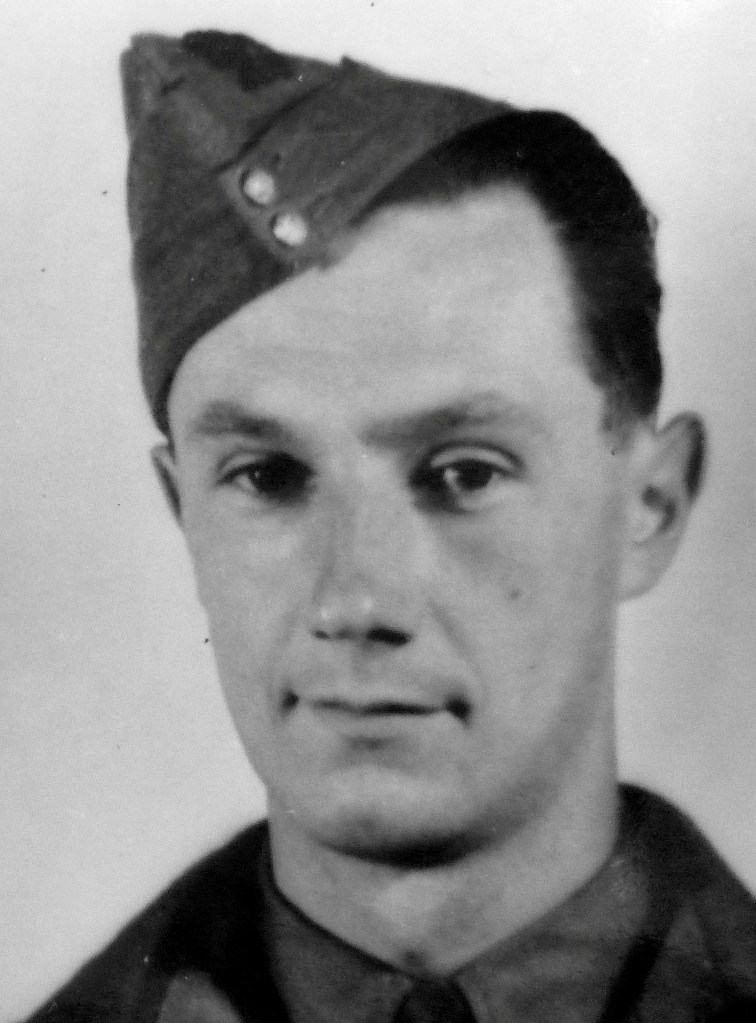
George Wilkinson head of the Historian Network (common source)

Shortly after D-day her circuit leader, George Wilkinson, was captured by German troops and Rolfe continued sending messages to London to support the Maquis but was later captured by the Gestapo whilst transmitting from a safe house in Nargis. Although she was repeatedly tortured for information her wireless was not ‘played back’ to London by a German operator which means she refused to reveal her codes and in August 1944 Rolfe was deported to Ravensbrück Concentration camp in northern Germany. During an investigation after the war it was discovered Rolfe was so ill she was unable to walk (later reports state this was due to leg injuries sustained during torture) and on 5 February 1945, 30-year-old Lilian Rolfe was executed and her body disposed of in the camp crematorium.


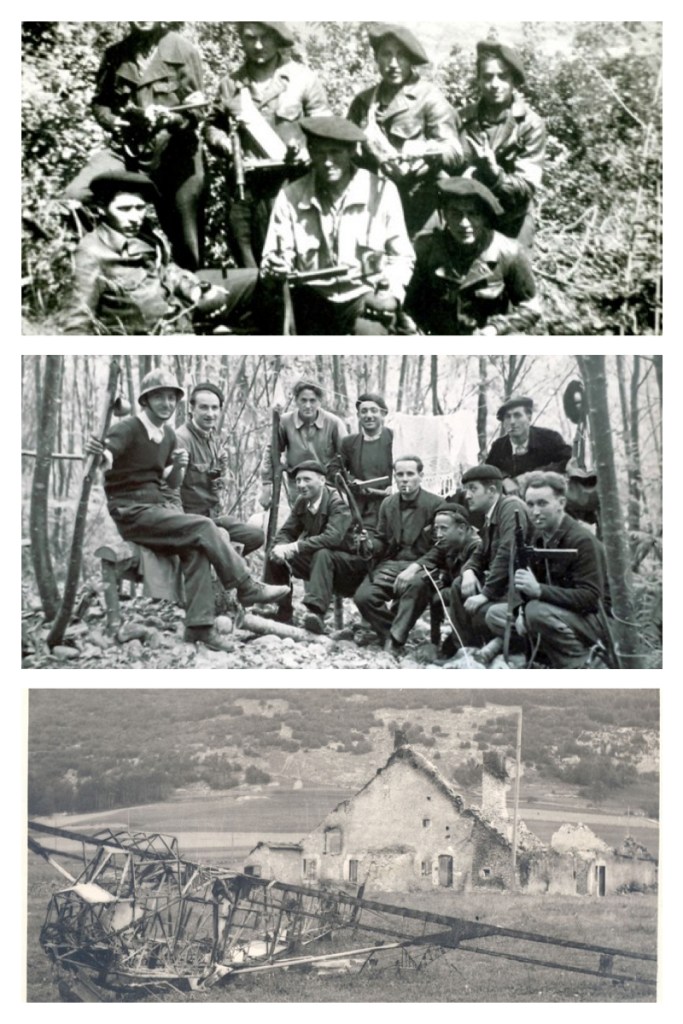
The Battle of Vercors 1944.

Vercors 1944

In July 1944 the Maquis (French Resistance) held a plateau known as the Massive du Vercors consisting of rugged mountains when they were faced by overwhelming German forces including an airborne attack by glider troops. During the battle an estimated 639 members of the Maquis were killed. Those who were wounded were executed on the spot, 201 civilians were killed, and 500 houses burned. It has been estimated German casualties were 83 killed and missing. 

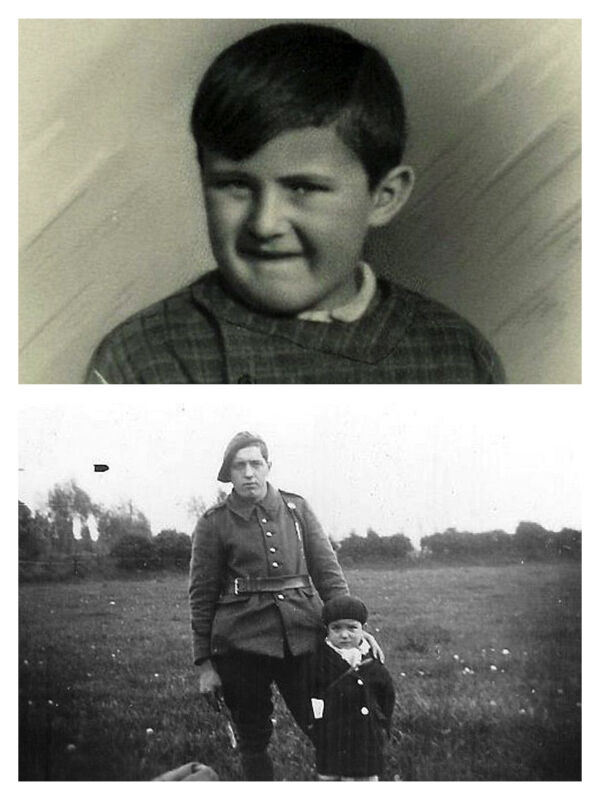
Marcel Pinte the six-year old who worked for the French Resistance

(Musee Resistance)

French Resistance. Six-year old Marcel Pinte worked for the resistance carrying secret messages to various parts of the resistance network and his father, Eugéne Pinte (aka La Gaubertie) ran a resistance cell from their remote family farm. It was later said, with his school satchel on is back he didn’t raise suspicion.
  In August 1944 Marcel accompanied the Maquis to a night parachute drop of weapons and supplies and whilst waiting for the drop a member of the resistance had an accidental discharge with a Sten Gun during which Marcel was hit by several rounds and killed.  He was later honoured during the Armistice Day at a ceremony in Aixe-sur-Vienne, near the city of Limoges in central France.

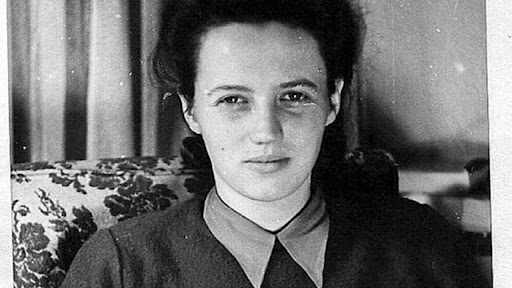
Norwegian Resistance during WW2: Anne-Sofie Ostvedt

Anne-Sofie Ostvedt (soure common)

Anne-Sofie Østvedt, (later married Strømnæs), (2 January 1920 to 16 November 2009) was second in command of a Norwegian Resistance group called XU. Like many throughout occupied Europe during WW2 who later joined the resistance she started resisting by publishing underground newspapers and in December 1941 she was recruited by XU. Despite being only in her early 20’s she was vital to XU’s underground movement and became their second in command.  In 1942 the Gestapo was attempting to track her down, but her identity was not known by other members of the movement and she was only known as ‘Aslak’ which I understand is a male name in Norway. According to several accounts, after the war many members of the group who she gave orders to were surprised at her young age and the fact she was female.

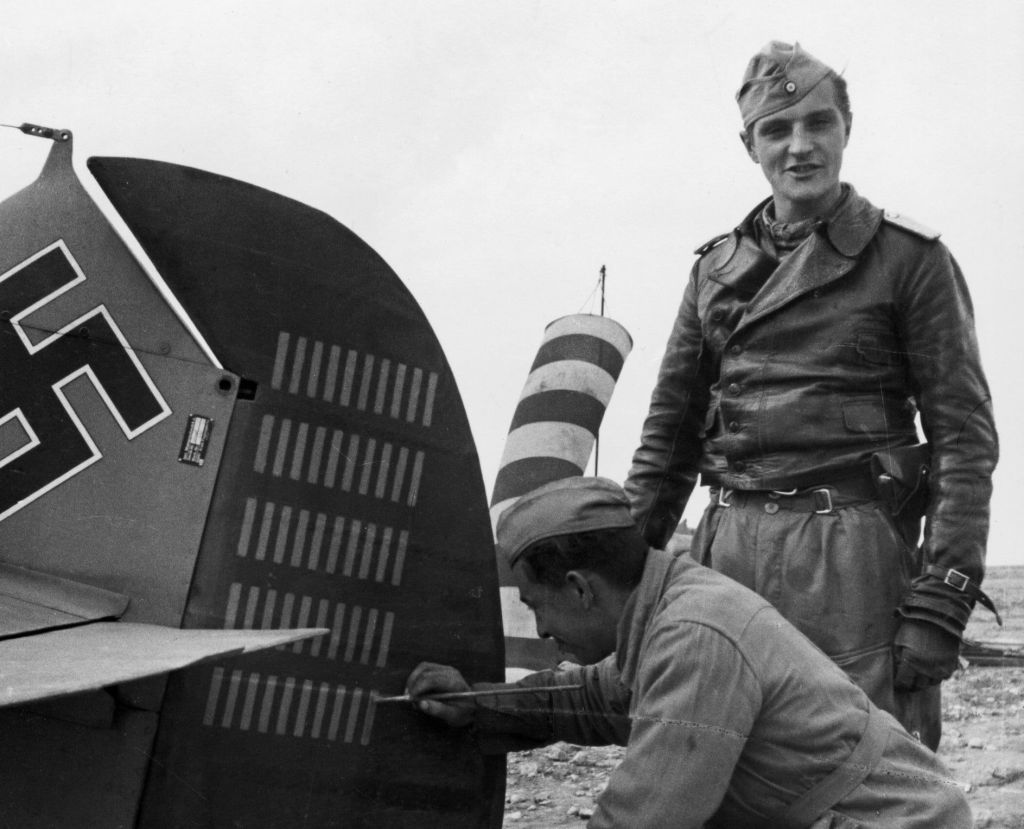
Luftwaffe Fighter Ace Hans-Joseph Marseille.

Hans-Jospeh Marseille (German Federal Archives)

Hans-Joachim Marseille was a German Luftwaffe fighter Ace during WW2 and by the age of 22 was awarded the Knight’s Cross with Oak Leaves, Swords and Diamonds. Apart from being well-known in Germany for his impressive successes during aerial combat he was also known for his Bohemian Lifestyle.

On 26 September 1942 (some say 30 September) he was flying in formation over Sidi Abdel Rahman, Kingdom of Egypt in a Messerschmitt Bf 109 when the aircraft developed a serious engine failure and the cockpit rapidly filled with thick smoke and Marseille reported by radio he was bailing out.   After peeling away from the formation to give him room to manoeuvre, eyewitness statements from other pilots reported seeing him using the standard procedure of rolling the aircraft onto its back to make it easier to exit. A subsequent investigation concluded Marseille was disorientated by thick smoke and was unaware his aircraft had entered a deep dive of approximately 70-80 degrees and was travelling at a considerable speed and after bailing out his chest hit the vertical stabilizer of his aircraft which either killed him instantly or rendered him unconscious and was unable to pull the ripcord to open his parachute. His watch stopped at 11:42 am which is the time he struck the ground and a Luftwaffe doctor pronounced him dead on the scene after suffering massive head and other injuries. 

Another forgotten conflict since WW2: Borneo

Borneo (Paradata)

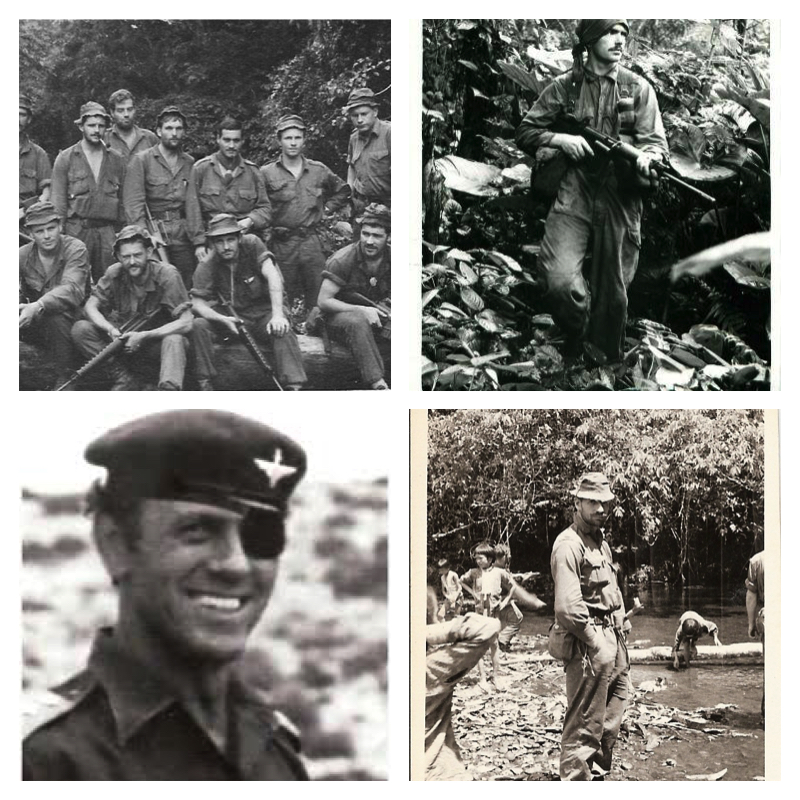
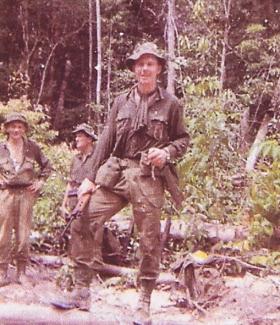
The Battle of Plaman Mapu on 27 April 1965 was one of the largest battles during the Indonesian- Malaysia Confrontation over the creation of the new Malaysian state. Plaman Mapu was a small base in the jungle on the border between the Malaysian state of Sarawak and Indonesia, and the battle commenced in the early hours of 27 April after Indonesian troops crossed the border and launched a surprise attack against 36 men of B Company 2 Para who found themselves fighting an estimated 400 Indonesian troops which had artillery support.

Borneo (Paradata)

Sergeant-Major Williams organised a counter attack and whilst under heavy fire led men towards a captured position and engaged around thirty Indonesian soldiers and during a second attack Williams killed several more with a GPMG during which he was blinded in one eye. When they launched a third attack Williams began receiving support from rifle fire which was followed by artillery and grenades and the Indonesian infantry retreated across the border after an intense two-hour fire fight.

From most accounts the Battle of Plaman Mapu was a turning point in the conflict. Due to heavy losses (total numbers unknow) the Indonesian Army did not launch another large cross-border attack and their defeat was a disaster for the government: within months there was revolution in Indonesia and peace was secured within a year as the conflict ground to a halt. (photo Para Date) More information can be found at Airborne Assault Para Data .

https://www.paradata.org.uk/article/battle-plaman-mapu

British Forces in the Radfan 1 April 1964 to 30 June 1964: One of several forgotten conflicts.

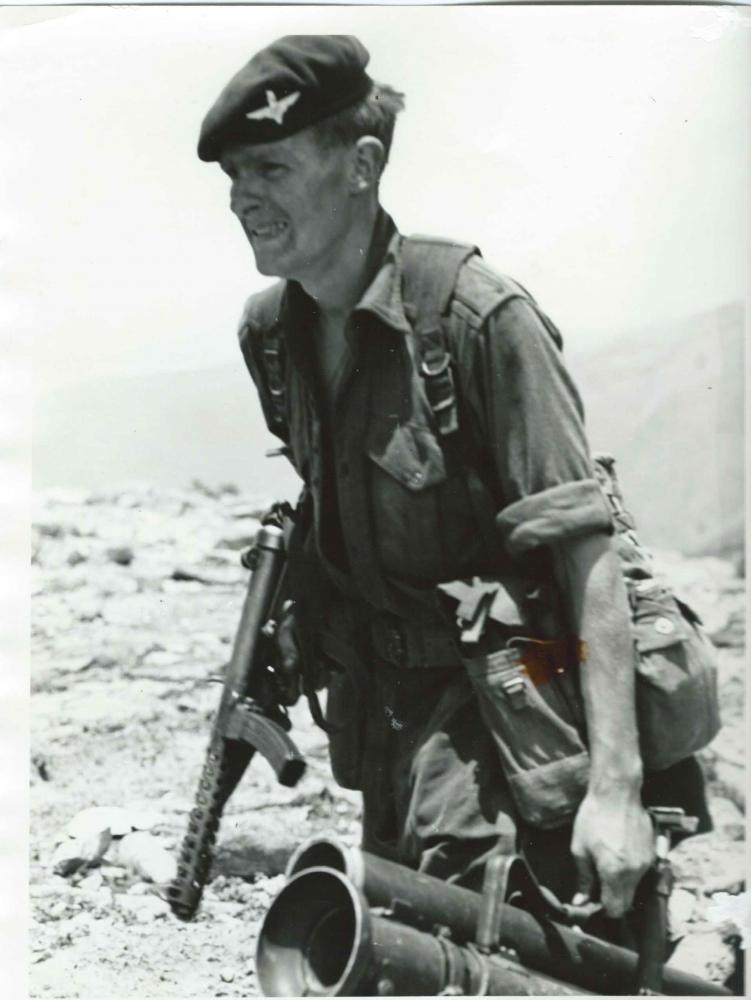
British Paratrooper on the Radfan Moutains. (Paradata)

One of many forgotten conflicts since WW2: the Aden Emergency was an armed insurgency by the NLF and FLOSY against the Federation of South Arabia, a protectorate of Britain which is now part of Yemen. 

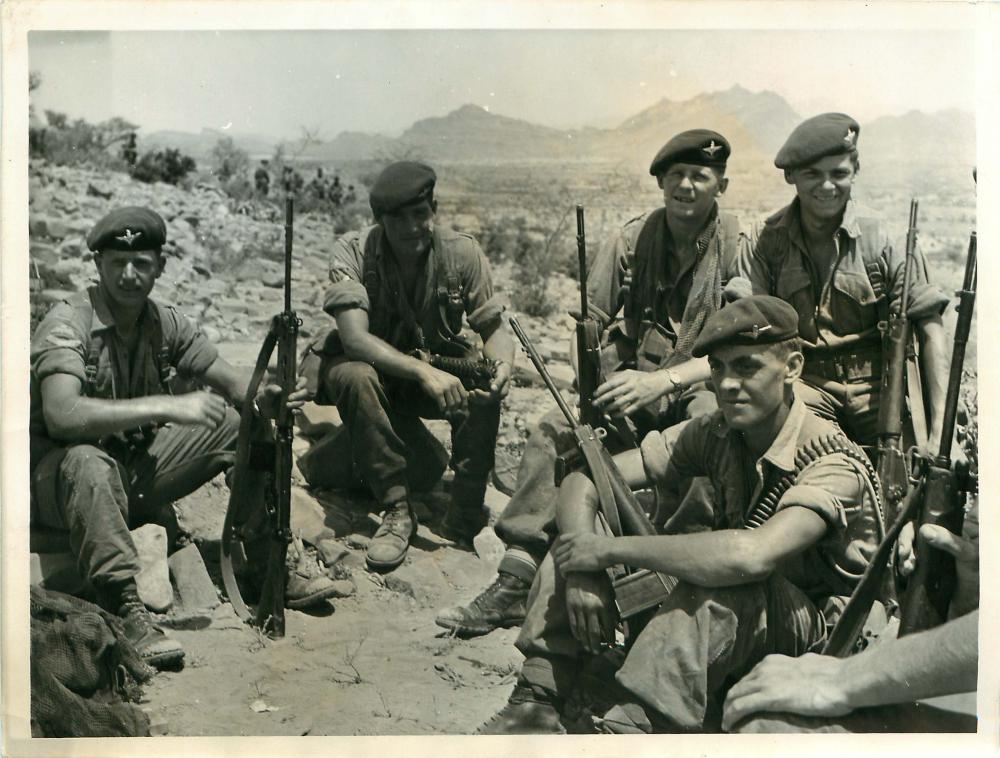
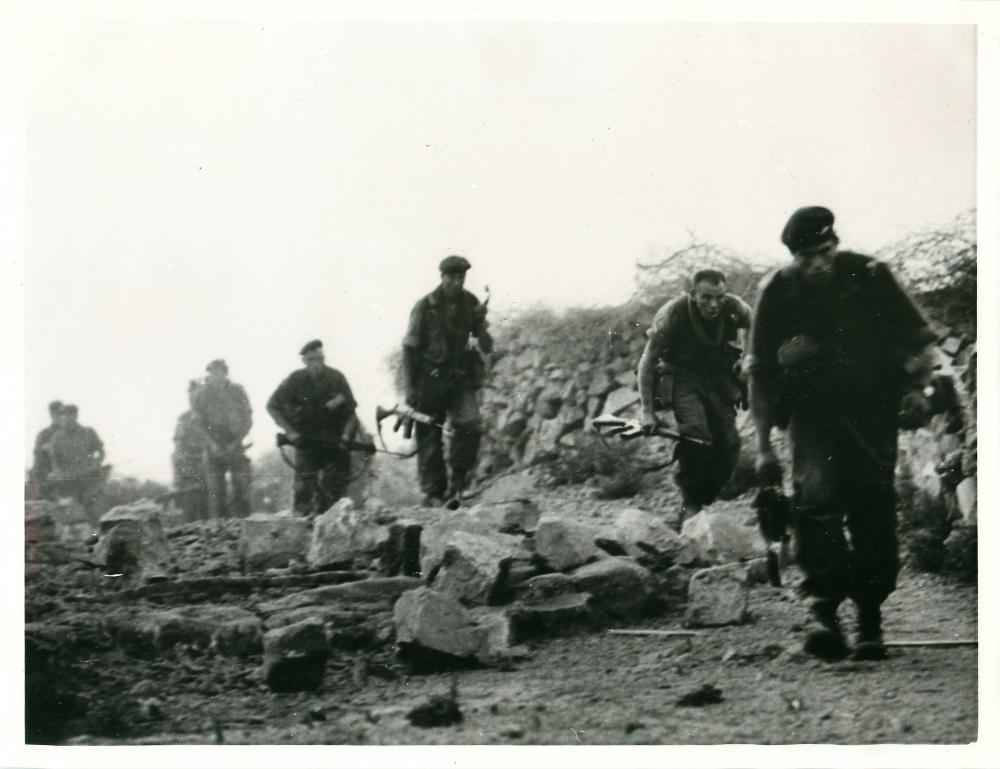
The 5000-foot Bakari Ridge which dominated the Wadi Dhubson was regarded as impregnable by the insurgents and accommodated their leadership. To capture the Wadi Dhubson members of 3 Para (3rd Battallion Parachute Regiment) scaled the mountain carrying 90lb loads and covered 11 miles during two-night marches and after a number of skirmishes and a large firefight they occupied the ridge on 24 May.

Radfan (Pradata)

Soldiers descended from the ridge on 30-foot ropes and surprised the insurgents and this was followed by a violent fire-fight and air attacks from RAF fighters and concentrated fire from the battalion broke all resistance and the insurgents withdrew leaving their dead and all their weapons behind. Villages were searched, and arms dumps destroyed. Within nine days 200 square miles of territory which had been an insurgent stronghold and had never been entered by Europeans was secured and place under government control and many insurgents had been killed.

(Paradata)

3 PARA withdrew back to Aden on 28th May having won a DSO, an MC and four additional medals, three MIDs and six CinC commendations. D Coy, 3 PARA were deployed on 6 June and remained behind for a further four weeks.