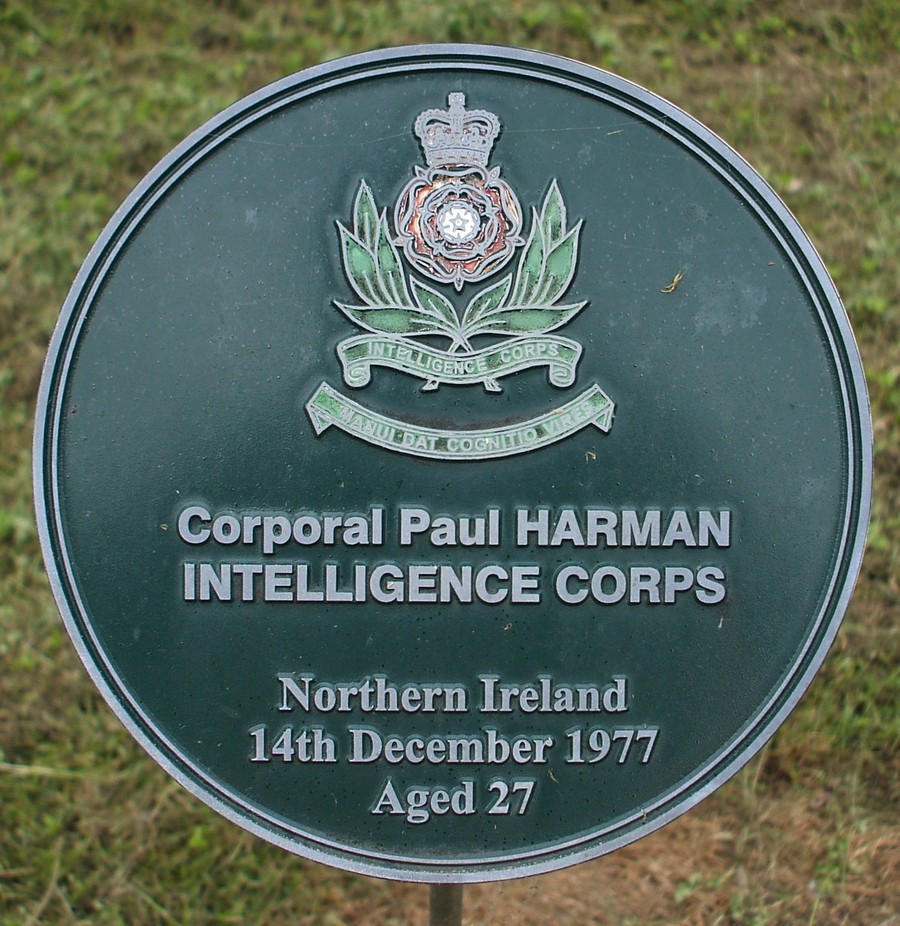
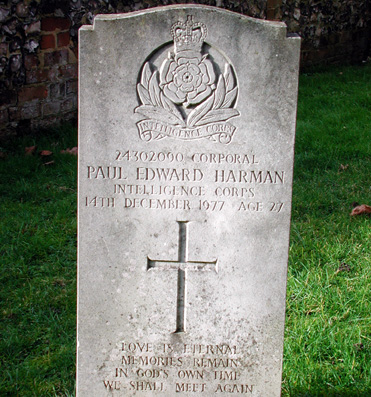
Corporal Paul Edward Harman was killed during operation Banner (Northern Ireland) on 14 December 1977.
Paul was alone whilst driving an unmarked civilian vehicle along the Monagh Road in the Turf Lodge area, when he was stopped by members of the Provisional Irish Republican Army. As he attempted to escape, he was shot dead by the terrorists.
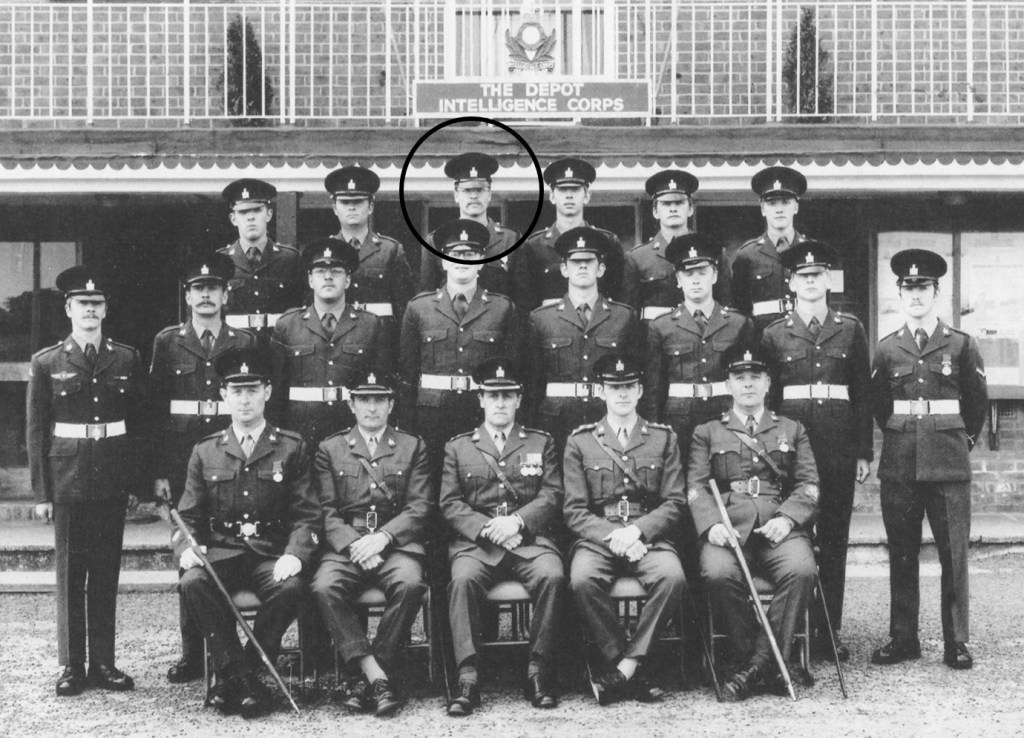
Paul, the son of a diplomat, was born in Ankara, Turkey on 15 April 1950. He originally joined the 16th/5th Lancers (regimental number: 24302090) and served in Cyprus during the Turkish invasion of the island. He transferred to the Intelligence Corps on 15 May 1975 (photograph of Squad 57 attached), and having been selected for special duties he was posted to Northern Ireland and was 27 years old on the day he died.
He was the only member the Corps to be killed in action during operations in Northern Ireland (Operation BANNER). In his memory, the trophy awarded to the winning team at the Corps’ annual football tournament was renamed the Harman Trophy.
Our thoughts are with his family and friends.
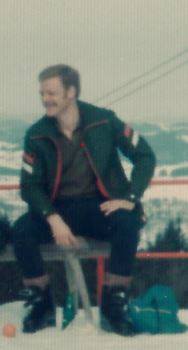
(Image: Paul on Exercise SNOW QUEEN 1975.)
Above text and images from the Intelligence Corps.
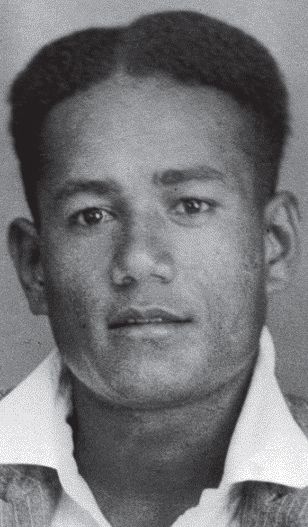
On 23 June 1944 in the Solomon Islands, Corporal Sukanaivalu crawled forward under fire to rescue wounded men. After dragging two men to safety, under heavy Japanese machine gun and mortar fire he returned to rescue another man, but whilst assisting the seriously injured soldier was hit by machine gun fire and fell to the ground. Knowing any attempt to rescue him and the other soldier would result in heavy casualties Sukanaivalu shouted out to his men to leave him. When it was clear they would not withdraw and intended rescuing him, to prevent further casualties Corporal Sukanaivalu deliberately raised himself from the ground to face a Japanese machine gunner and was killed. His citation for the Victoria Cross in the London Gazette dated 2 November 1944 ends with “… This brave Fiji soldier, after rescuing two wounded men with the greatest heroism and being gravely wounded himself, deliberately sacrificed his own life because he knew that it was the only way in which the remainder of his platoon could be induced to retire from a situation in which they must have been annihilated had they not withdrawn.” His body was later recovered by Australian soldiers.
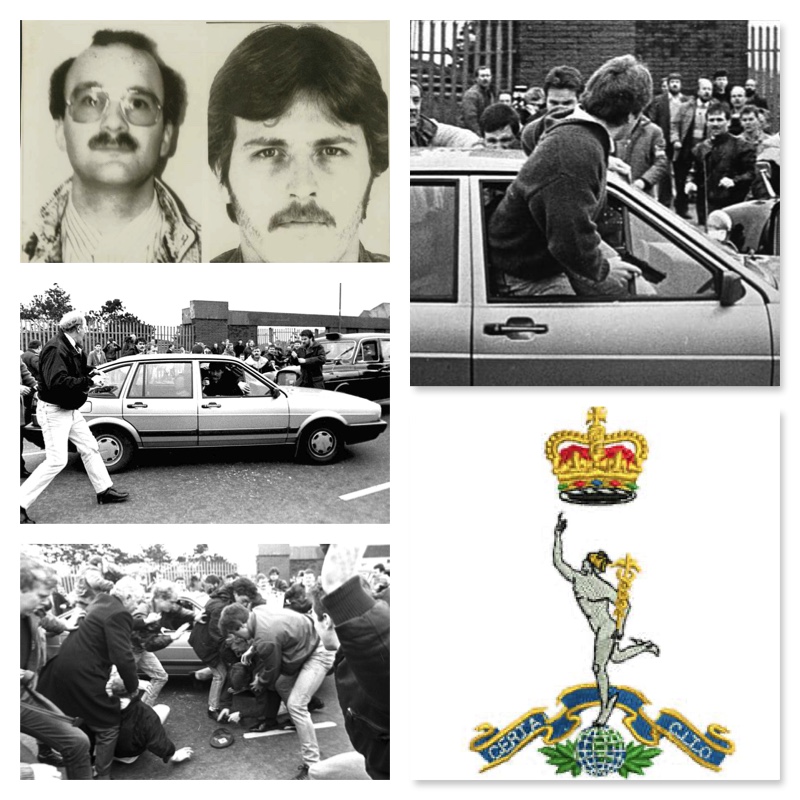
Operation Banner (Northern Ireland). On 19 March 1988 Corporal Derek Wood, aged 24, and Corporal David Howes, aged 23, both serving with the Royal Signals, were wearing civilian clothes and driving a silver Volkswagen Passat with civilian number plates after completing repairs of signal equipment at a military base and were returning to their barracks. After taking a wrong turning they came across a large IRA funeral procession and attempted to reverse in the opposite direction, but their escape route was quickly blocked by a taxi and a car. Their vehicle was then attacked by a crazed mob, Derek Wood fired a round from his Browning HP pistol in an attempt to scatter the mob, but both were quickly overpowered and dragged from their car. Wood and Howes were taken to a sports ground where they were stripped and beaten before being taken to waste ground and shot. Two men were sentenced to life imprisonment for murder but released in 1998 under the Good Friday Agreement. Certa Cito. RIP!
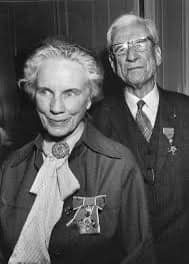
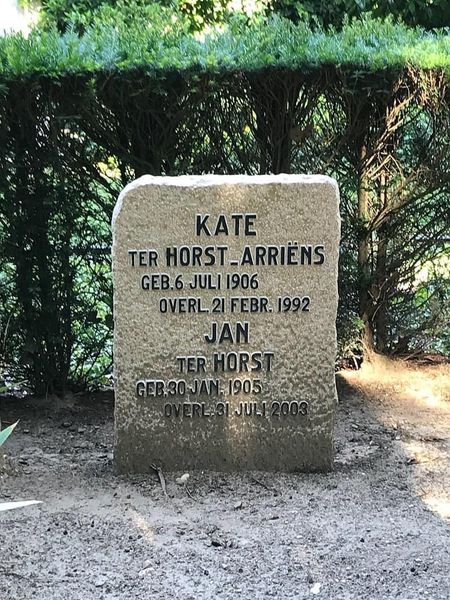
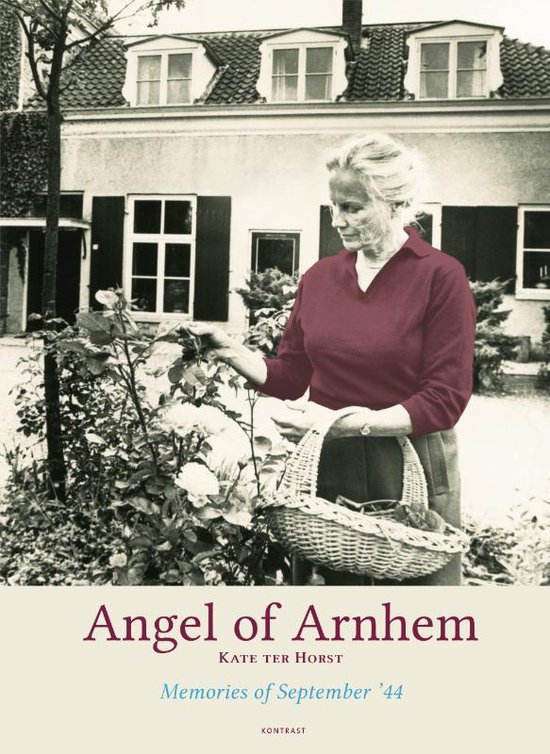
During the ill-fated Operation Market Garden (17-26 September 1944) the British 1st Airborne Division suffered heavy casualties fighting in the Dutch city of Arnhem, the town of Oossterbeek, the villages of Wolfheze and Driel. Kate Ter Horst, described as a housewife and mother, turned her house into a makeshift hospital for the wounded and dying. She personally helped 250 wounded soldiers and gave comfort to the dying by sitting with them until they died and earned the nickname ‘The Angel of Arnhem’ and was later depicted in the film ‘ A Bridge Too Far’. In 1947, despite extensive mine clearance after the war her eldest son Peter was killed by an undetected anti-tank mine. On 21 February 1992, 98 year old Kate Ter Horst MBE died after being hit by a car near her home.
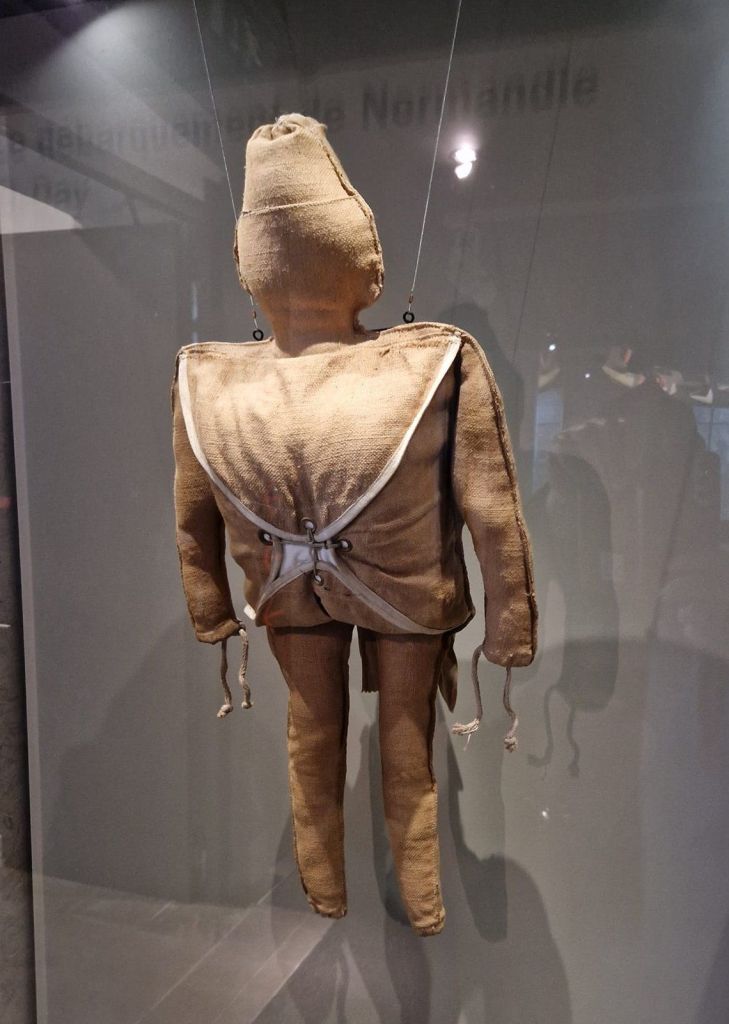
Parachute dummies were an important aspect of the Allies’ deception plan for the Normandy Landings. They were nicknamed ‘Rupert’s’ by British troops. It is sometimes suggested they were named after the cartoon character Rupert the Bear. Approximately 500 Paratrooper dummies were dropped as decoys to divert and distract German forces, in what was codenamed Operation Titanic. This was part of a broader deception plan for D-Day, designed to give the Allied invasion force the element of surprise and the best chance of victory. (Image Musée Militaire Paris)
It was a great pleasure to be invited to attend Founder’s Day at the Royal Hospital Chelsea where the reviewing officer was Her Royal Highness The Princess Royal, after being inviting by Tony Millard noted for his many years of continued charitable work supporting veterans.
Chelsea Pensioners and guests were given an oak leaf to wear symbolising the oak tree where Prince Charles, later crowned Charles II, hid after the Battle of Worcester during the English Civil War (c1642-1651) when Parliamentary troops were searching for him. After the restoration of the monarchy, in 1681 King Charles II issued a Royal Warrant to build a hospital for those ‘broken by age and war’ which later became know as the Royal Hospital Chelsea. An added bonus was briefly meeting for the first time Dr Gogna from Australia who recognise me, knew my name and thanked me for my historical articles of remembrance. After this I attended an informal celebration of D-day (Normandy Landings) at Tony and Sue Millard’s pub called the Clarence at 148 North End Road West Kensington, London where the proceeds of a raffle went to the London Taxi Charity which has been supporting veterans since 1948.
As this was a traditional London celebration I apologise for the short clip of me attempting to dance!
Tony and Sue Millard – who continue to support veterans.
Sue Millard and Me.
One of the locals.
Locals at the Clarence public house remembering D-day (Normandy Landings).
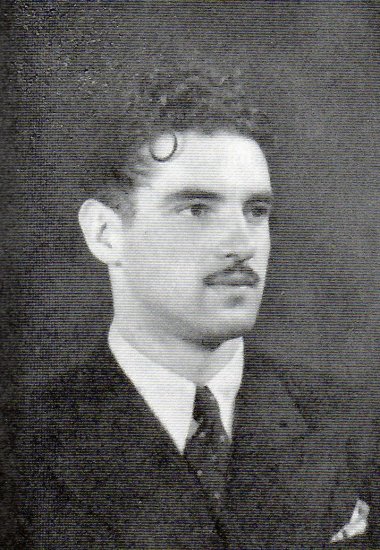
24 year old Alexandre Schwatschko aka Alexander Shaw
Alexandre Schwatschko was born in Russia on 19 July 1919 to a wealthy family with property in the Ukraine and during the Bolshevik Revolution (8 March 1917 to 6 June 1923) the family moved to France. When war was declared in 1939 he enlisted into the French Air Force and served as a pilot until the fall of France in 1940.
After being demobilised under the terms of the armistice he eventually escaped to England through Spain. During his SOE training he was known as Alexander Shaw and because of his flying experience was selected for training as an air landing officer to assist pickup pilots to deliver and extract agents from remote farmland during the moon period.
Air landing officers were trained by the RAF in the technical specifications required for the type of aircraft they would be assisting and after arriving in France were responsible recruiting and training reception committees who were members of the resistance known as ‘torch men’ although many women were also used. These committees were essential because they were responsible for displaying lights in a recognised pattern indicating wind direction, glide path and other information to allow the pilot to approach and land during the moon period without landing lights.
In February 1944 Shaw arrived in France to work for Maurice Southgate’s STATIONER circuit to organise pickup operations by Lysander aircraft. After training his reception committee he identified ten fields fitting the technical and security requirements for Lysander operations and the coordinates were sent to London by wireless. He was responsible for a large number of air landings under difficult conditions and was mentioned in despatches.
Agents were accustomed to being routinely questioned at checkpoints and were trained how to react during their training at the Beulieu finishing school. It is known Shaw was stopped at a checkpoint by German soldiers near the hydro-electric dam in Barrage d’Éguzon, approximately 30 kilometres north of Limoges on 7 June 1944, but there is no explanation why he was arrested and taken to a local police station. After being arrested agents were taught to remain clam, keep to their cover story and there are many recording accounts of agents being released using this procedure.
Why Shaw attacked and killed a German officer during which he was shot dead is not known and according to the Commonwealth War Graves Commission he was buried the following day at a Cemetery in Éguzon.
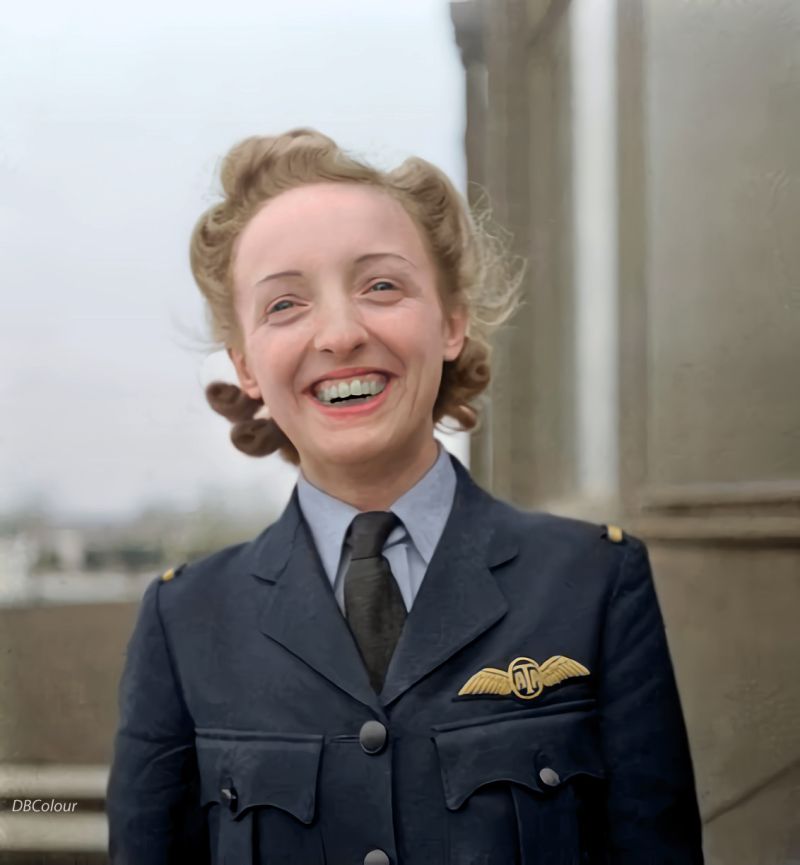
Irene Arckless was described as an ordinary working class girl determined to obtain her pilots licence who passed her flying test just before the start of the Second World War. During the war she was a pilot with the Air Transport Auxiliary delivering all types of aircraft from factories to operational RAF airfields throughout England. On Sunday 3 June 1943 she was flying a twin engine Airspeed Oxford when one of the engines malfunctioned during take off and crashed into a house on the outskirts of Oxford. Arckless was rushed to hospital but pronounced dead on arrival.
27-year-old Irene Arckles is buried at Carlisle, Stanwick Cemetery. Ward 2. Section A. Grave 31. (Commonwealth War graves Commission)
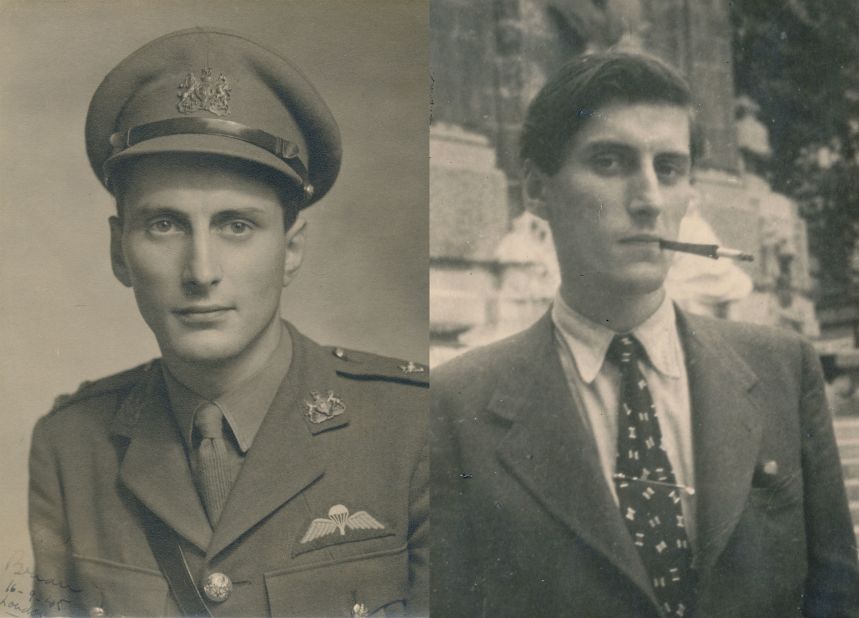
Brian Stonehouse was 24-years old when he parachuted into France on the night of 1 July 1942. This interview briefly examines his war service in France but leaves out many of the difficulties he faced and overcome as a clandestine and his experiences after being incarcerated in five concentration camps. Brian Stonehouse died in London on 2 December 1998 at the age of 80.
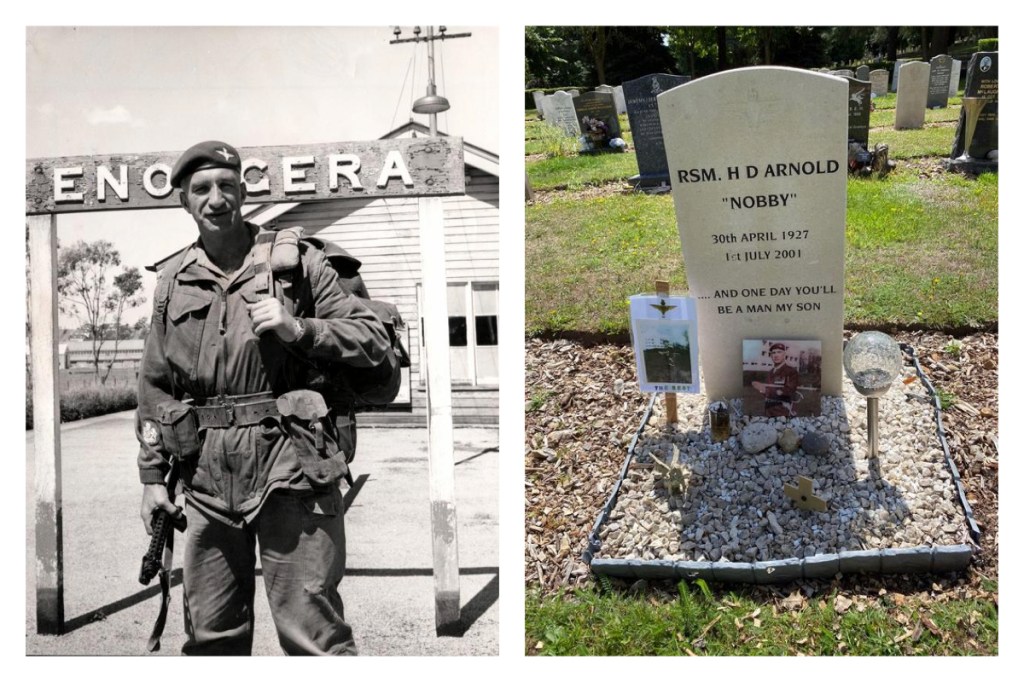
RSM ‘Nobby’ Arnald. A legend in the Paras whose sense of humour helped install discipline. I recall a story of him putting his bicycle against the Guardhouse wall and after it fell over in the wind had his bicycle arrested and locked in a cell for not obtaining permission for falling over. Typical RSM banter.
He saw active service in Palestine, Canal Zone and Suez, Cyprus and the Radfan. Many felt that Nobby Arnold should have been decorated for bravery in the Radfan in 1964, where a ridge captured by 3 PARA’s Anti-Tank Platoon was named ‘Arnold’s Spur’ in recognition of WO2 Arnold’s outstanding battlefield leadership and valour. His CO, Anthony Farrar-Hockley, is said to have told Nobby Arnold that the award of decorations was a lottery and Arnold had simply missed out. RIP ‘Nobby’


 Alan Malcher