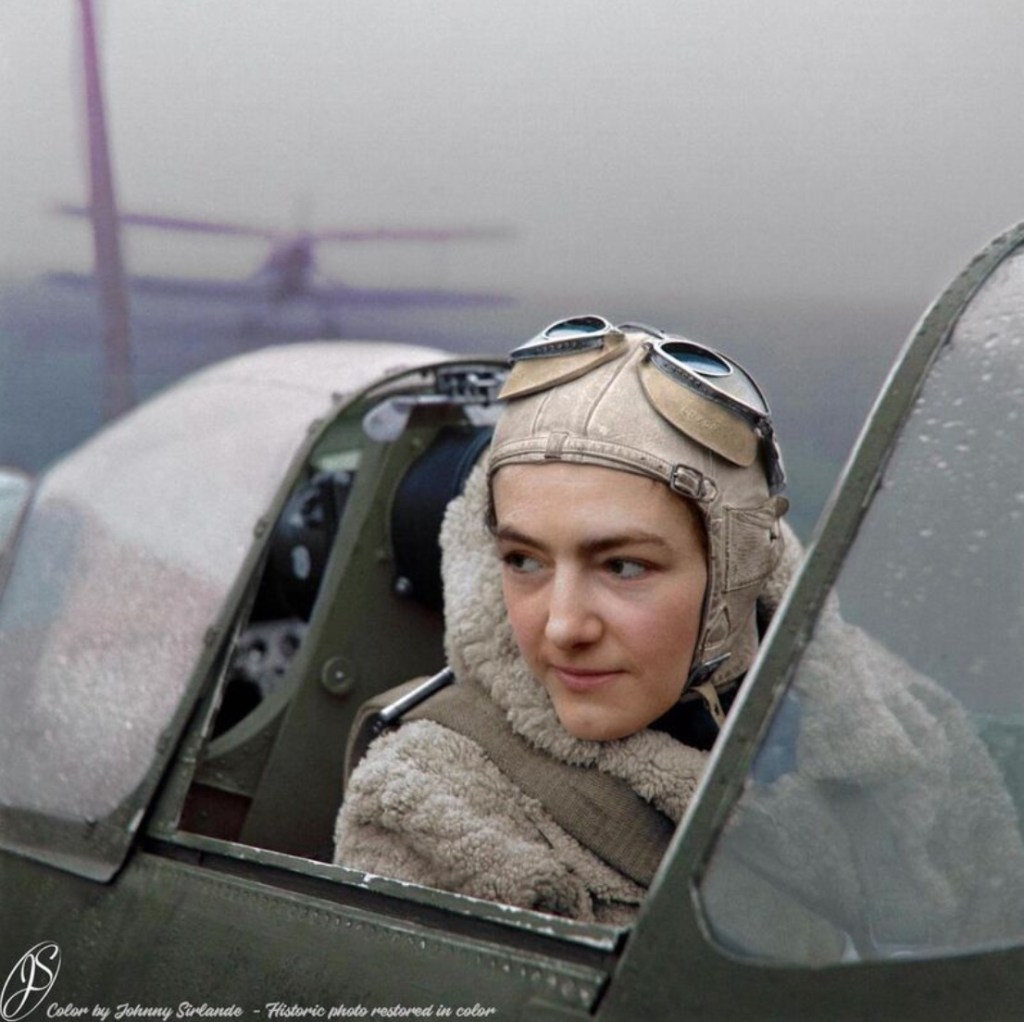
Anna Leska-Daab obtained her glider and balloon pilot licence at the Warsaw Flying Club. After escaping to England through Romania and France she was one of three Polish women serving with the ATA (Air Transport Auxiliary)
She was Stationed at Hatfield and Hamble and ferried a total of 1,295 aircraft including 557 Supermarine Spitfires. She flew 93 types of aircraft, including flying boats, and was airborne for 1,241 hours.
She was the sister of col. pilot Kazimierz Leski, also known as “Bradl”, the legendary intelligence officer of the Polish Home Army and wife of Capt. pilot Mieczysław Daab. Anna Leska-Dabb died on 21 January 1988.
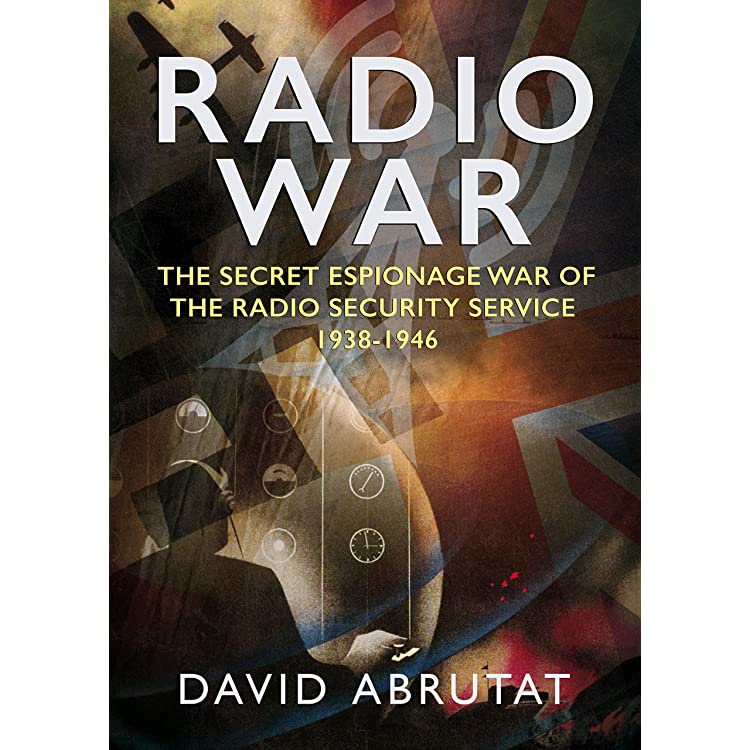
David Abrutat recently published Radio War: The Secret Espionage War of the Radio Security Service 1938- 1946 and gave the following talk at the Buckinghamshire Wireless Museum. See book below.
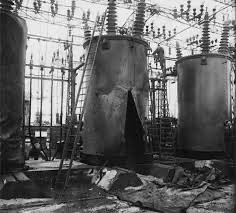
One of the transformers destroyed during the attack (German Federal Archives)
In May 1941 the Special Operations Executive (SOE) received a request to sabotage the power station in Passaic near Bordeaux but the French Section had no agents available: most had already been deployed to France on various operations and others were still being trained at the school for advanced industrial sabotage in Hertfordshire. SOE HQ then approached the Polish Section (EU/P) which came under the jurisdiction of the Polish Government in Exile in London, and after agreeing to undertake the mission six Polish volunteers boarded a converted Whitley bomber of No.138 Special Duty Squadron at RAF Tempsford to infiltrate France by parachute.
Shortly after entering French air space the aircraft suffered an electrical fault which caused their container loaded with weapons and explosives to be jettisoned over the Loir and were forced to abandon their mission and return to England. Unbeknown to the aircrew the electrical fault was far more serious than first thought and eventually caused the aircraft to crash land and catch fire at RAF Tempsford: all the crew were either killed or injured and the six Polish agents suffered serious burns.
SOE HQ then asked RF Section (the Free French equivalent to SOE under General de Gaulle) whether they were willing to attack the power station and after de Gaulle agreed, on the night of 11-12 May 1941 three agents from RF Section, J Forman, Raymond Cobard and André Vernier (aka Jacques Leblanc) successfully infiltrated France by parachute.
After hiding their weapons and explosives the team reconnoitred the power station: there was a high-tension cable very close to the top of a 9-foot wall they needed to climb over and it appeared there was a large number of German and Italian soldiers protecting the power station. They also failed to obtain the bicycles they intended using for the getaway so decided to postpone the attack.
Before leaving England Forman was given the Paris address of an RF agent called Joêl Letac who remained in France after a failed mission called Operation Savanna, the elimination of Luftwaffe Pathfinder crews whilst they travelled by coach to their airfield, and after meeting Forman Letac encouraged him to continue the mission and the following day Letac travelled with the sabotage team to the power station. After the old lorry they obtained broke down they continued the remainder of the journey on stolen bicycles and eventually recovered the equipment they had buried around 100 yards from the power station.
On the night of 7-8 June 1941 during pitched darkness due to the blackout Forman climbed the perimeter wall and crawled under the high-tension cable which was dangerously close. After ensuring he could not be seen by the guards Forman entered the compound and opened a side door, the rest of the team entered the grounds of the power station and then sprinted across open ground to the main building.
In less than thirty minutes the team placed magnetic incendiary devices on eight large electricity transformers and then made their getaway on the stolen bicycles. It has been said the explosions were so violent flames rose high into the air and illuminated the entire area and searchlights started probing the sky for bombers.
Seven of the transformers were destroyed and this seriously disrupted the Bordeaux submarine base, numerous factories used to supply the German military were forced to stop production for several weeks. The electricity grid from another region was diverted but the overload caused more damage and all electric trains in south western France had to be replaced with steam locomotives, and all the transformer oil in France was used during the repairs.
Some writers claim the team was picked up by a RAF Lysander of 161 Special Duty Squadron, but this was not the case. The team arrived in France with one million francs (said to be about £1,400 in 1941 and roughly £71,000 in 2021) and the money was unaccountable! Instead of requesting an extraction they remained in France for a further two months and according to historian MRD Foot “They left behind them broken glass and broken hearts” before escaping to England via neutral Spain. Before they crossed the frontier Cabard was captured but later escaped and returned to England.
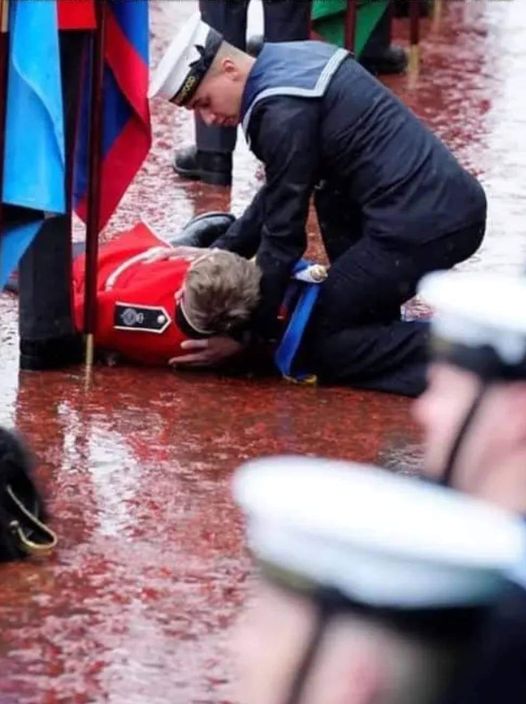
Despite the banter the military is one large team based on mutual respect and support. BZ to the Royal Navy Sailor who came to the assistance of this Guardsman.
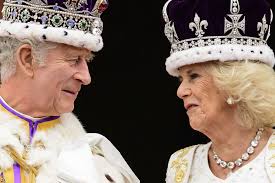
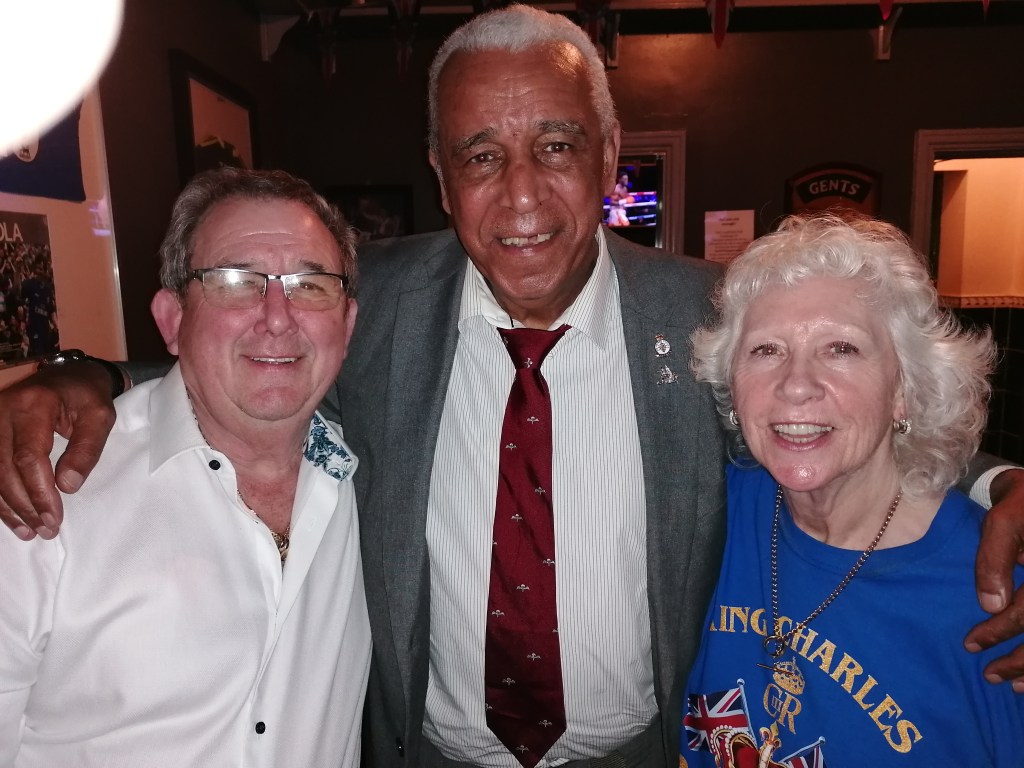
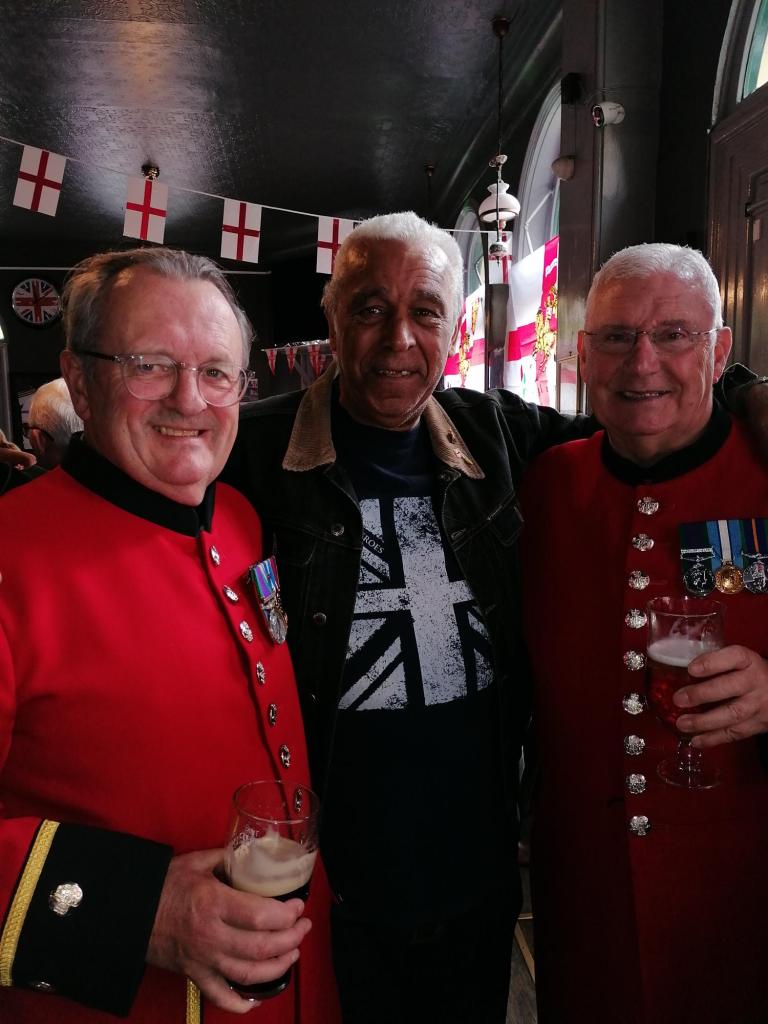
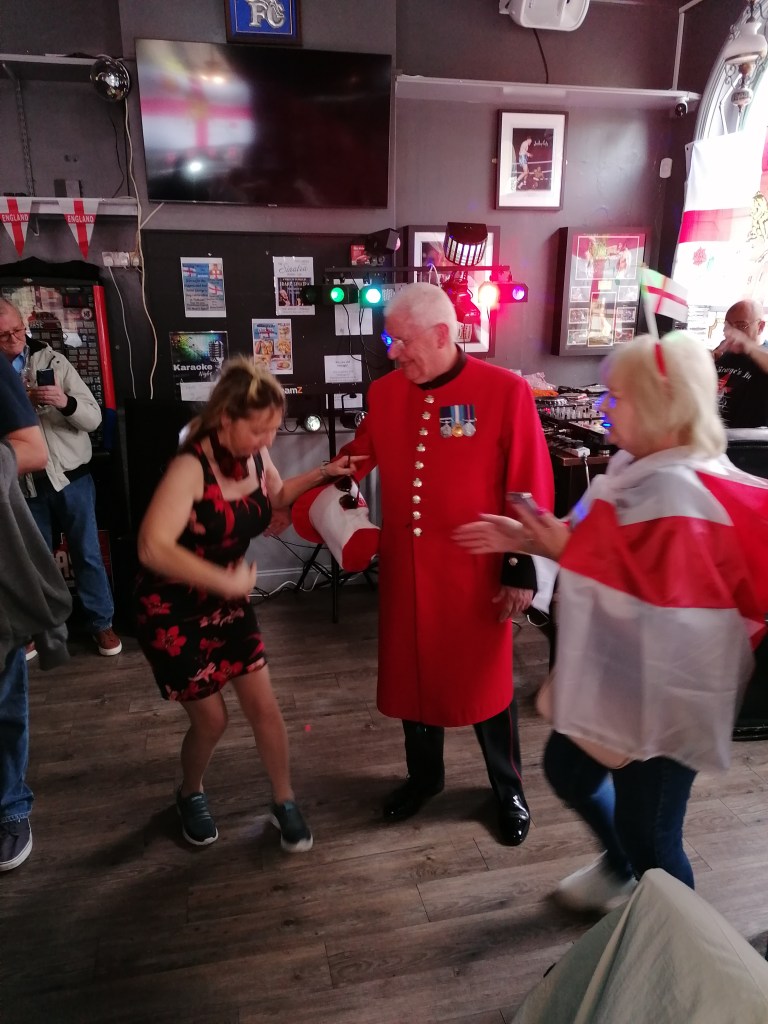
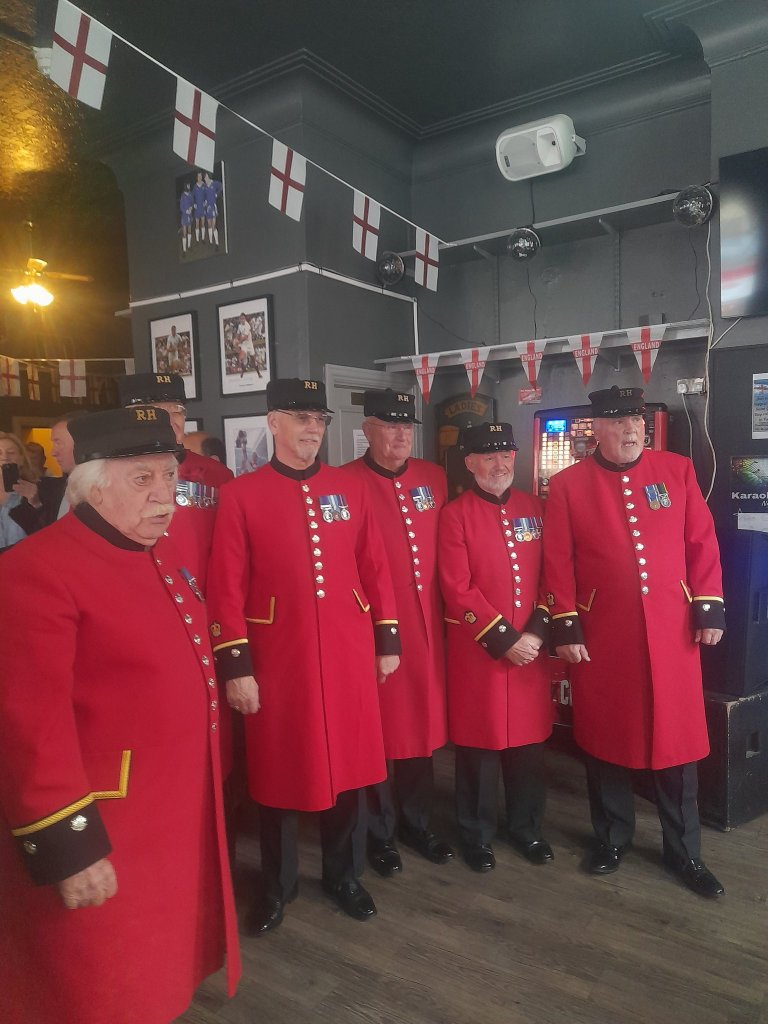
I would like to take this opportunity of thank Tony and Sue Millard of the Clarence Pub, West Kensington for their many years of charitable work supporting veterans. On Coronation Day the Millard’s and their staff did splendid work celebrating the Crowing of Charles III.
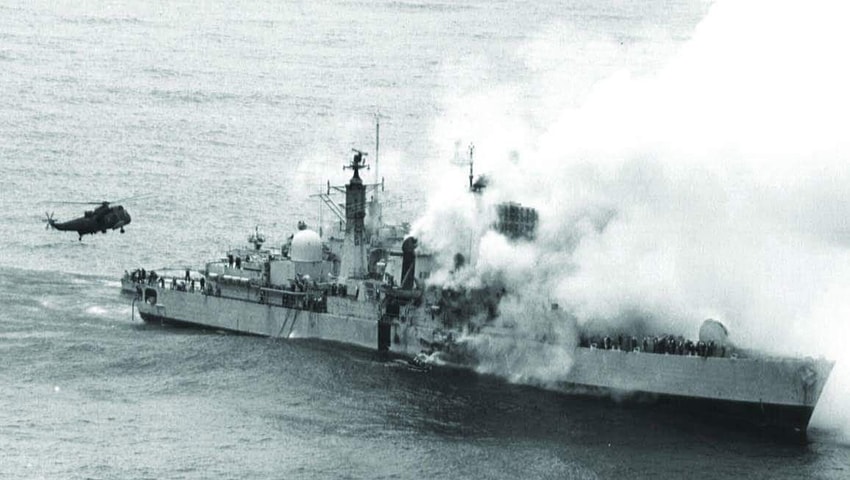
On this day 4 May 1982 HMS Sheffield was sunk during the Falklands War. The 20 men who died in alphabetical order: Lt Cdr David Balfour POMEM(M) David Briggs, who was awarded a posthumous DSM CA Darryl Cope WEA Anthony Eggington Sub Lt Richard Emly POCk Robert Fagan Ck Neil Goodall Laundryman Lai Chi Keung LMEM(M) Allan Knowles LCk Tony Marshall POWEM Anthony Norman Ck David Osborne WEA1 Kevin Sullivan Ck Andrew Swallow Act CWEM(N) Michael Till WEMN2 Barry Wallis LCk Adrian Wellstead MAA Brian Welsh Ck Kevin Williams Lt Cdr John Woodhead, who was awarded a posthumous DSC.
There was one further Royal Navy fatality on 4 May.
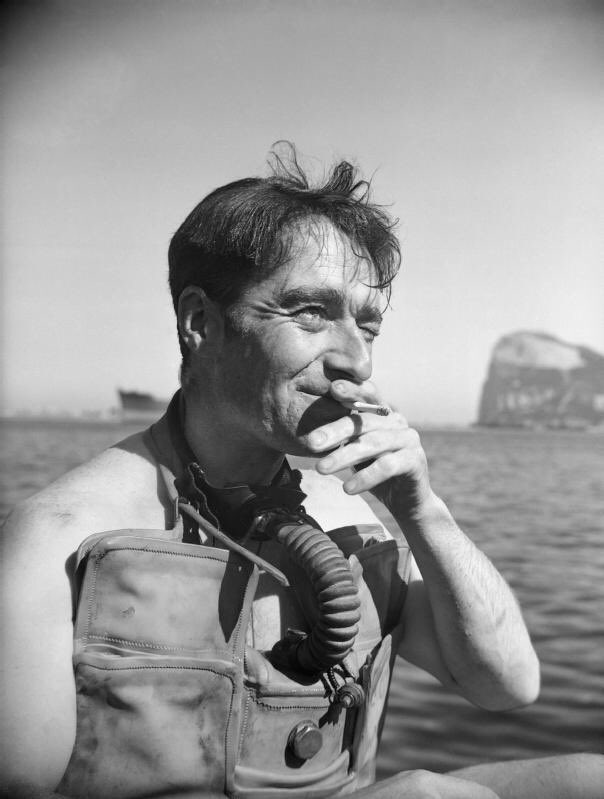
On 19 April 1956 Lieutenant Commander Lionel ‘Buster’ Crabb, OBE GM RNVR disappeared in Portsmouth Harbour and Prime Minister Sir Anthony Eden told MP’s it was not in the public interest to discuss the circumstances and the admiralty stated Crabb had disappeared whilst testing secret underwater equipment some distance from the harbour.
It is widely believed ‘Buster’ Crabb disappeared during a clandestine operation to examine the Soviet Cruiser Ordszhonikidze berthed in Portsmouth Harbour during a visit by Nikita Khrushchev. A headless body with both hands missing and dressed in a diving suit was later found floating in the sea. Even after the forensic pathologist who examined the body stated they were not the remains of Crabb because known scars on the legs were not present the body was reported to have been Lt Cdr Crabb and buried in Milton Cemetery, Portsmouth and researcher Sydney Knowles later claimed Crabb had not dived alone.
Since his disappearance there has been much speculation, many conspiracy theories and the files remain classified until 2057.
22-year-old Egon Berliner was born in Austria on 9 May 1923 to a Jewish family and in 1938 was involved in a fight with the Hitler Youth and was chased by the SS for two hours before managing to escape. In 1939 he arrived at his family flat, and the porter warned him two Gestapo officers were waiting for him, Berliner then escaped to England and was recruited by SOE in May 1943.
After passing selection and training Berliner was asked whether he was willing to volunteer for a mission to contact a communist group in Innsbruck, Austria and determine whether they could be developed into a resistance group, though SOE in London considered it unlikely they would risk opposing the Nazi authorities it was decided to send one exploratory agent and on the night of 28-29 July 1944 Berliner was dropped by parachute into southern Tyrol to make his way to Innsbruck. After contacting the communists SOE doubts were correct and Berliner made his way to the allied lines in southern Italy.
He later volunteered to return to Austria and discover whether a Social Democrat Group could be transformed into a resistance movement and after they refused he distance himself from everyone he had contacted and travelled to the Koralpe (Koralm) mountain range in southern Austria and after being denounced by a member of the group was arrested by the Gestapo whilst attempting to cross the River Drave to Yugoslavia in early April 1945.
Berliner was taken to the Gestapo prison in Gratz where he was tortured for two hours and suffered more brutal treatment for being a Jew before being thrown into a condemned cell with two other prisoners. At 20:30hrs on Tuesday 4 April 1945 Gestapo SS -Obersturmführer Herz of the Graz Gestapo entered the cell and read out the names of those to be executed, Berliner and other men were then put into the back of a lorry to be taken to the SS barracks in Wetzelsdorf.
After the war captured Gestapo officers claimed the lorry received a direct hit from an allied aircraft and all the prisoners were killed but a subsequent investigation discovered they were executed by the SS.
23-year-old Philip Amphlett was recruited from No.2 Commando, but his SOE training report said he was unsuitable as a clandestine agent and was better suited for direct action and parachuted into France on 16 August 1943 with a small team as part of Operation Scullion II after a similar operation (Scullion I) had failed. The team was sent to sabotage a distillation plant near Autun, France that was making synthetic oil but after reaching the target their demolition charges caused little damage.
Amphlett was last seen in Dijon on 23 August 1943 whilst making his way to an extraction point to escape from France and nothing more was heard from him. Over a year later it was discovered Amphlett had been captured and after being interrogated by the Gestapo was transported to Flossenburg Concentration Camp where he was executed,
In October 1945 Vera Atkins, SOE French Section intelligence officer who after the war went on a personal crusade to track down missing members of her section, wrote to his father saying ‘his son had shown exemplary courage and an uncompromising attitude towards his jailers’. Philip Amphlett has no known grave.

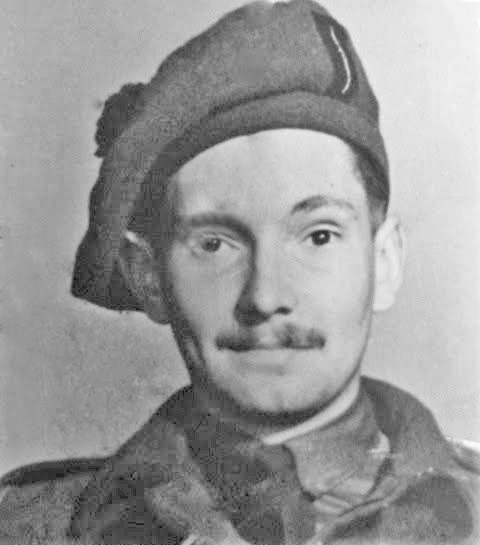
 Alan Malcher