William Grover-Williams was born in Montrough Hauts-de-Seine, France on 16 January 1903 to an English father and French mother and spoke fluent French and English. By the age of 29 he was a well-known racing car driver who had won several Grand Prix’s for Bugatti including the 1929 Monaco Grand Prix and during the same year married Yvonne Aupicg who later worked for the resistance. Following the occupation he escaped to England and joined the Royal Army Service Corps and was recruited by SOE on 17 November 1941.
Shortly after completing training Grover-Williams returned to France and established the Chestnut circuit consisting of pre-war racing friends among them being SOE agents Jean-Pierre Wimille and Robert Benoist and both had previously raced for Bugatti. Chestnut was based on the Benoist family estate in Auffargis, a commune in the Yvelines department in north-central France, and throughout 1941 the Germans did not suspect them of being involved in resistance because they were regarded as respected sportsmen.
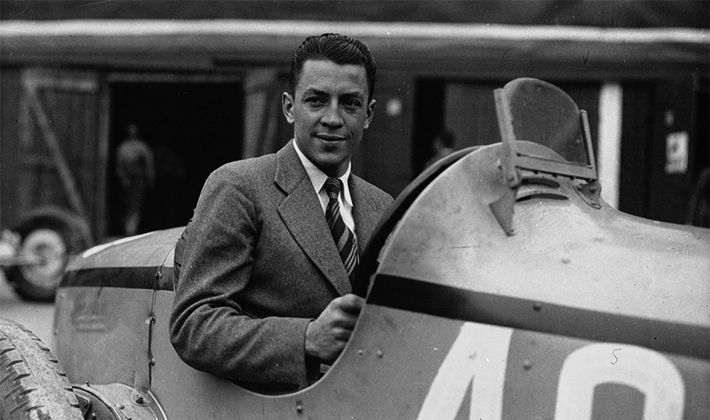
Jean-Pierre Wimille
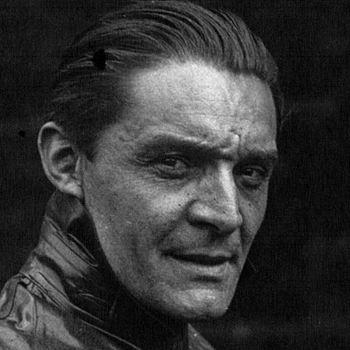
Robert Benoist
In March 1942 Chestnut received a wireless operator named Robert Dowlen who began transmitting from a farmhouse on the road to Pontoise situated north-east of Paris and in keeping with wireless security his location was unknown by other members of the circuit and his only contact was through a courier and the wives of Wimille and Benoit worked on reception committees. Chestnut received several arms drops but little sabotage was undertaken but useful intelligence from well-placed contacts was regularly passed to London through their wireless link until 31 July when Dowlen was found by direction finders and arrested whilst still in contact with London. On 2 August Benoit’s brother, Maurice, was arrested at his Paris flat and this was followed by German soldiers searching the Benoit estate during which they found fifty-one weapon containers hidden in an old well and a further forty-seven containers hidden behind a false wall in a stable. Benoit’s father, wife and several servants working for the circuit were arrested, Grover-Williams was later found hiding in the stables and beaten for information but refused to cooperate and was taken to 84 Avenue Foch, the Paris headquarters of the Sicherheitsdient (SD) the counter-intelligence branch of the SS.
The fourth floor (top) had a guard room and cells where Grover-Williams was held along with other political prisoners and an interrogation room containing instruments of torture. It is known Grover-Williams was tortured throughout the night by Ernest Vogt, a Swiss-German civilian translator and interrogator working for the SD at Avenue Foch from 1940 and because there were no further arrests it is assumed Grover-Williams refused to identify members of his circuit. It is known he was transported to the SS Reich Security headquarters at Prinz Albrecht Strasse in Berlin for ‘advanced’ interrogation which often included torture by electricity and later transferred to Sachsenhausen concentration camp and in March 1945 Berlin ordered he be shot. There is no evidence to support the claim Grover-Williams survived the war and worked for MI6 until he was killed in a road accident in 1986.
Three days after the arrest of his family Robert Benoit was arrested on a Paris street: four Gestapo officers with weapons drawn bundled him into the back of a large car and one officer sat either side of him but they neglected to handcuff him and secure the rear door. As the car sharply turned left Benoit pushed the officer out of the moving car whilst diving headfirst from the vehicle and during the confusion escaped down a narrow passageway. After receiving assistance from friends he later joined an escape line to England.
In October 1943 Benoit returned to France by parachute and later returned to England for a few weeks to attend advanced training before returning to raise resistance in the Nantes area and was arrested on 18 June 1944 and taken to Buchenwald concentration camp and on 14 September was executed by slow strangulation after being suspended from piano wire from a hook on the crematorium wall. This barbaric form of execution was intended to make death as slow and painful as possible for political prisoners. The other agent, Jean-Pierre Wimille, survived the war and died in 1949 after crashing his car during the Buenos Aires, Argentina Grand Prix.
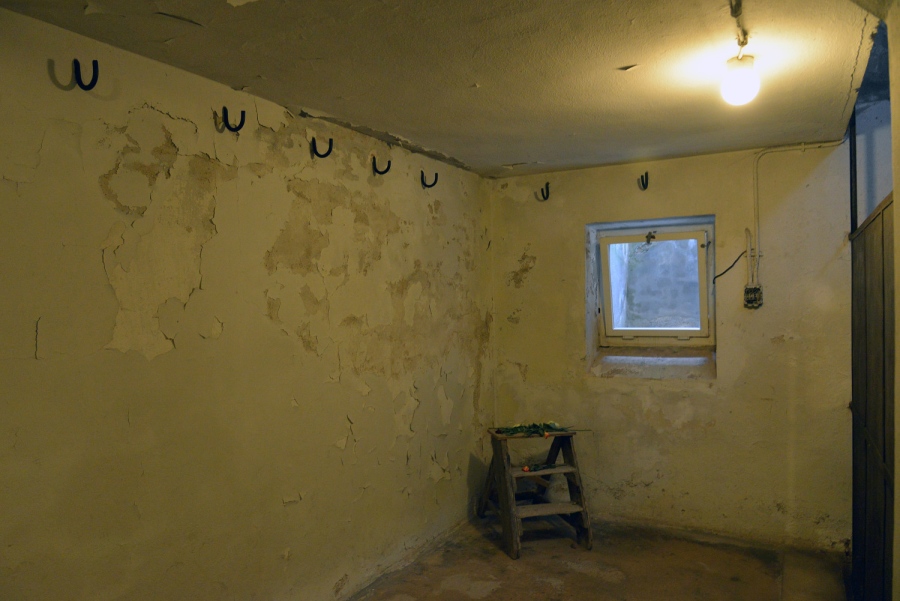
Hooks on the crematorium wall used to strangle political prisoners.
Alan Malcher
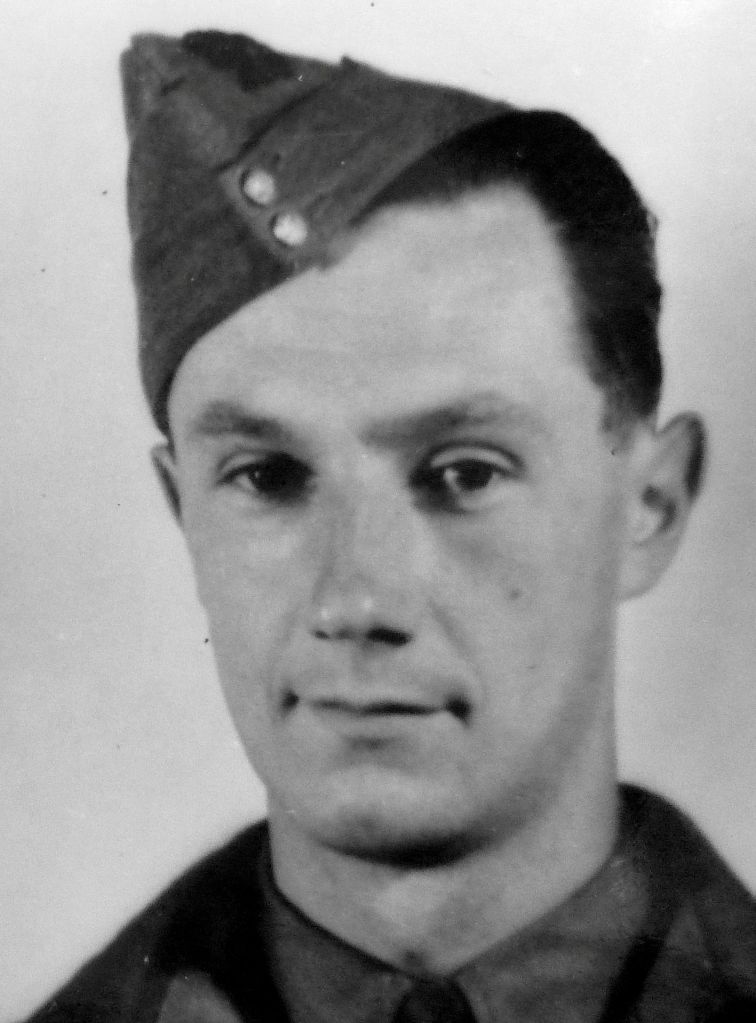
 Alan Malcher