This news clip is dated 1972 but there is no source.
Tag: Alan Malcher Historian
The Taxi Charity for Military Veterans.
The Taxi Charity for Military Veterans was formed in Fulham, London in 1948 and the charity is reliant on public donation, businesses and trusts. An amazing group of London taxi drivers volunteer their time and vehicles to transport veterans to events free of charge. More information will be found at the bottom of this page.
On 2 July 2024 it was a great privilege to be invited to the Taxi Charity annual fund raising dinner in Worthing, Sussex during which transport was provided by 100 London taxies. On the way to the venue in Worthing and on the way back the taxies stopped at the small village of South Holmwood near Dorking where villagers each year provide free refreshments and show their appreciation.
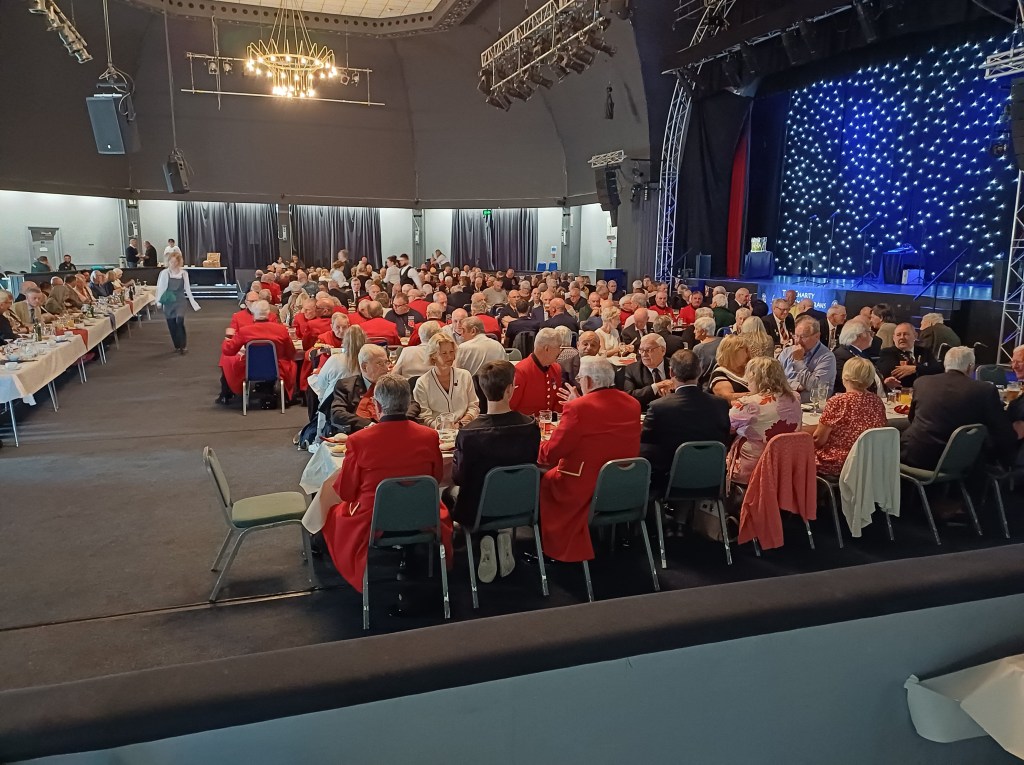
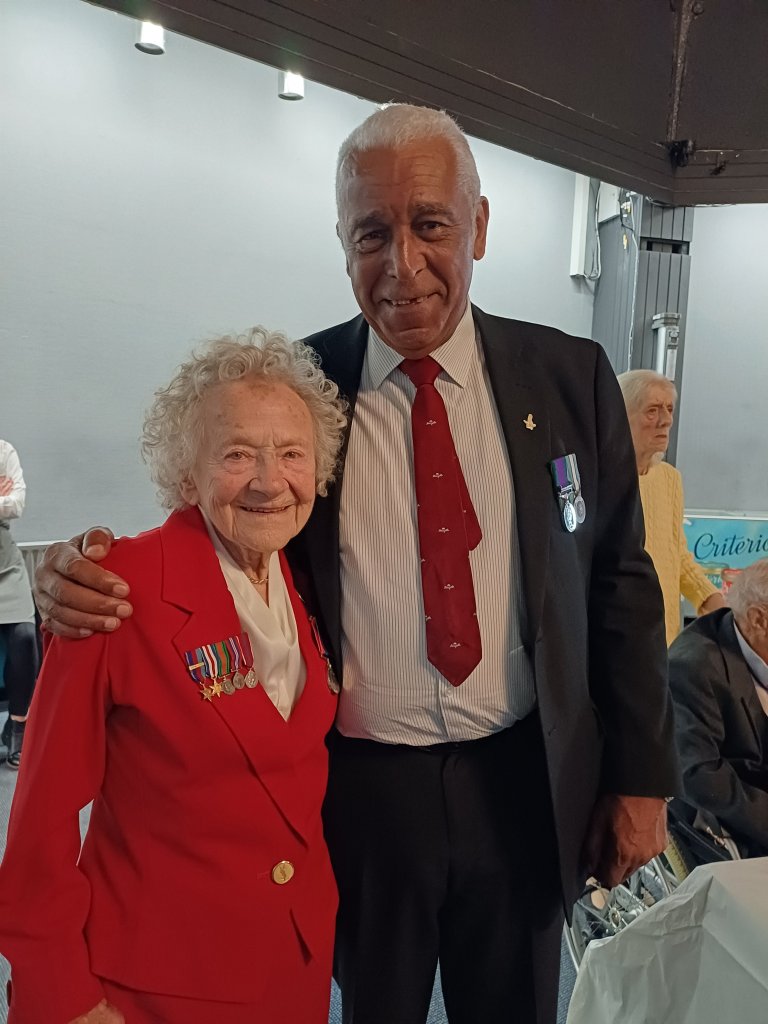
I spoke to may remarkable men and women including 99 year old Dorothy Barron who served with the WREN’s as a signaller during WW2.
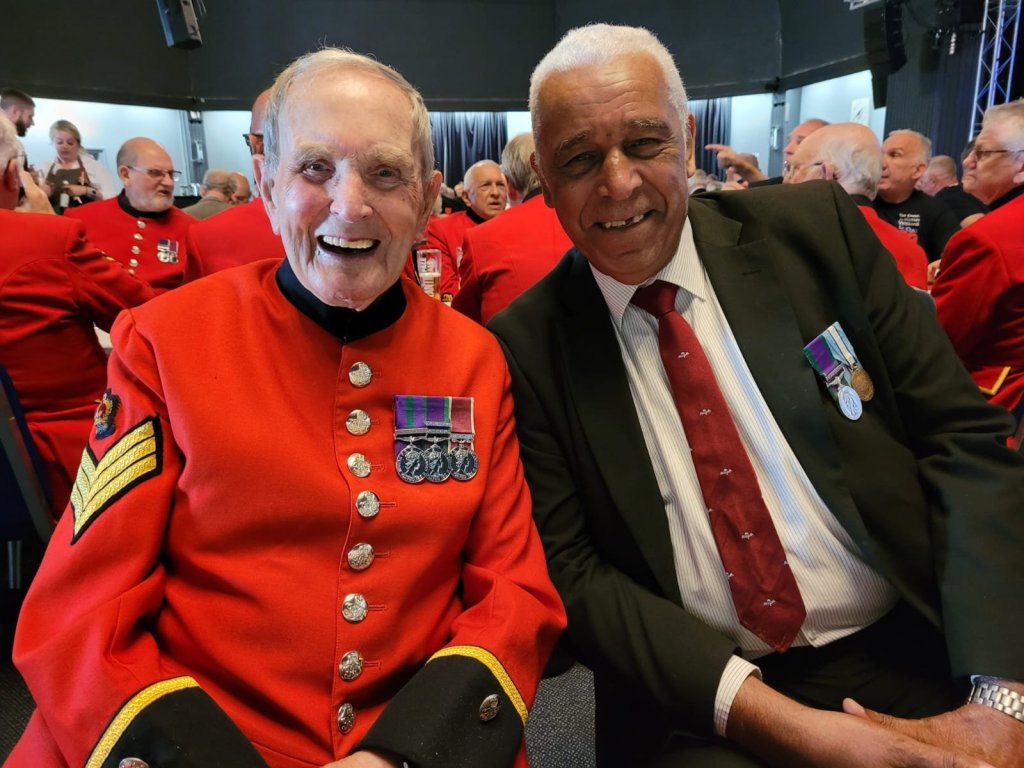
Walter from the Royal Hospital Chelsea (Chelsea Pensioner) who I spoke to over dinner and a few pints.
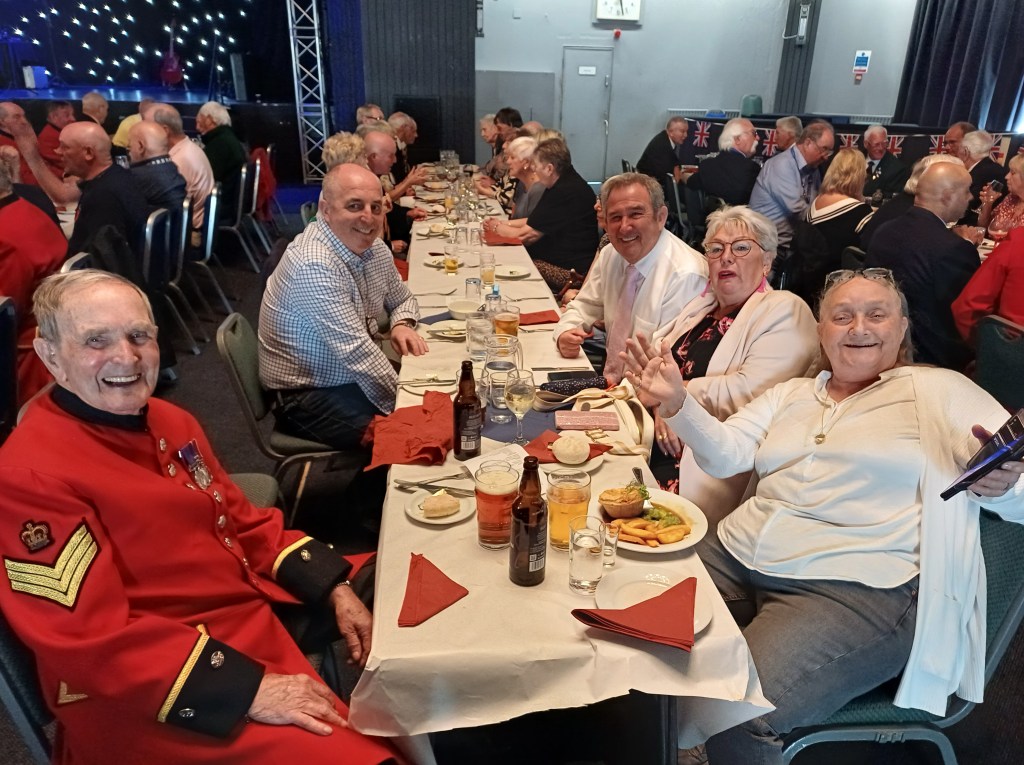
Taxi Charity https://www.taxicharity.org/
Operation Tonga: (6 June 1944) The capture of Bénouville Bridge Crossing the Caen Canal renamed Pegasus Bridge.
Actor Richard Todd took part in Operation Tonga on what is now known as D-Day. 60 years on in 2004, he revisited the landing site in Normandy and reflected on his experience. Richard Todd, who was born in Dublin, served with the British 6th Airborne Division and was among the first British soldiers to Land in Normandy and was the first Irishman. The following is from the BBC archives.
The mysterious death of SOE agent Christopher Lord.
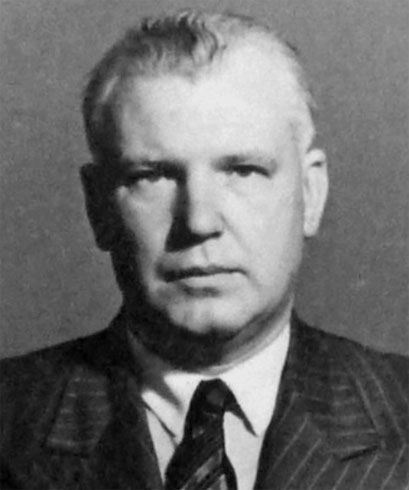
Christopher Lord.
Christopher James Lord was born in Birmingham, England on 27 October 1900. He was recruited by SOE in 1942 whilst working for the Guaranty Trust Company of New York after previously working for American Express in Paris and his wife was serving as a lieutenant with the Free French based in London.
It is known Lord arrived in France on 15 April 1943 with instructions to organise the courier network between Belgium, France and Britain and three days after his arrival Lord recruited two sub-agents named Albert Lefevre and Jean Chudeau. Lord is though to have met his two new recruits on 14 May 1943 at the Café de la Gare in Carmaux after which he was not heard of again.
After the war his wife published his photograph in a Carmaux newspaper and asked for information about his disappearance but there were no replies. In March 1946 she was informed that in 1943 an unidentified body had been found in a well in a small village near Carmaux that had been buried locally. The police were aware the unidentified man had been shot four times with a Colt revolver that was dumped with the body in the well, they were convinced he was not killed by the Germans and at the request of his wife the body was exhumed and later identified as Christopher Lord.
Based on the testimony of the local mayor which was circumstantial, the police worked on the theory that Christopher Lord was murdered by his two recruits, Albert Lefevre and Jean Chudeau, who were never found. Lord is also known to have been carrying a substantial amount of money but when his body was recovered he only had a 100 Franc bank note in his pocket and police suspected the motive for his murder was money, but who murdered Christopher Lord and why has not been proved.
Christopher Lord was eventually buried at Laissac Cemetery, Aveyron, France (CWGC).
British Homefront during the Second Word War: The Blitz.
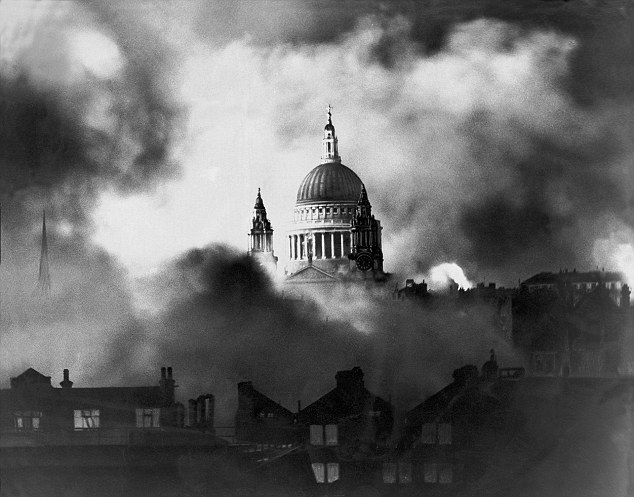
London Blitz. (No source)
The aerial bombardment of British cities was commonly called the Blitz ( 7 September 1940 to 11 May 1941) . The Luftwaffe Blitz on Britain began on the afternoon of 7 September 1940 when 348 German bombers with 617 fighter escorts targeted London during which 430 civilians were killed and 1,600 badly injured and attacks continued on London for the next 57 nights.
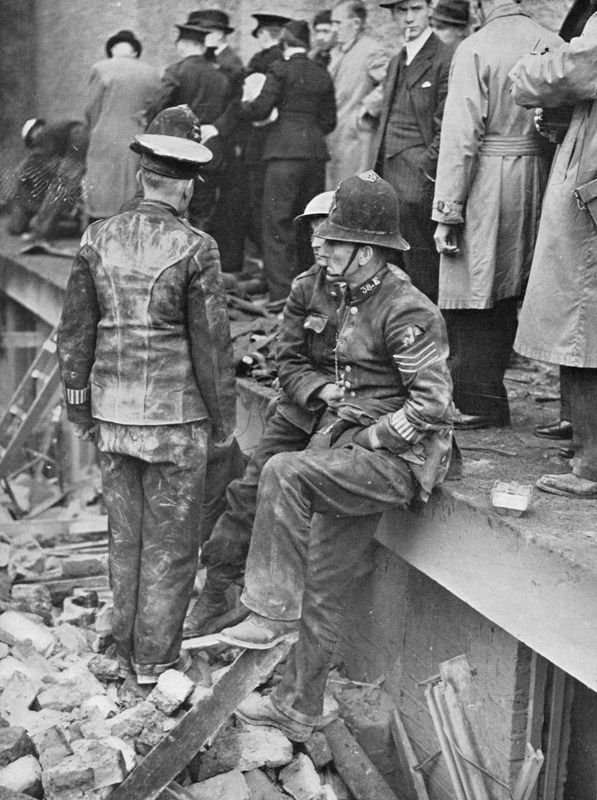
London police officers after helping rescue civilians during an air raid. (No source)
According to the Royal Air Force Museum, the most devastating raid on London took place on the night of 10/11 May 1941 between 11:02 pm and 05:57 am when 571 German bombers dropped 711 tons of high explosives, 86,172 incendiaries and the London Fire Brigade recorded 2,136 fires during which approximately 1,436 civilians were killed and 1,800 seriously injured. Apart from London the Luftwaffe began bombing Liverpool, Birmingham, Coventry and Southampton. On 14 November 1940, 500 bombers destroyed much the old city centre of Coventry killing around 500 and during February and May waves of attacks focused on ports including Plymouth, Portsmouth, Newcastle Upon Tyne, Hull, Swansea, Belfast, and Clydebank.
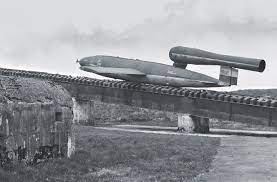
V1 Flying Bomb British citizens called the ‘doodlebug’.
The first V1 flying bomb hit Grove Road, Bow in London at 4:25 am on 13 June 1944 destroying a railway bridge and nearby homes during which 6 people were killed, 30 seriously injured and 200 families made homeless.
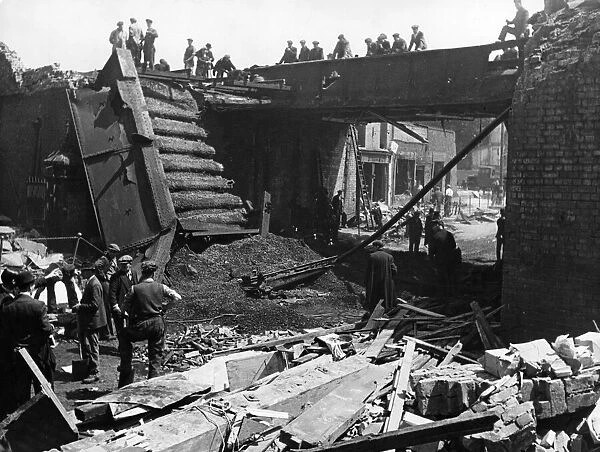
Grove Road, Bow London (No source)
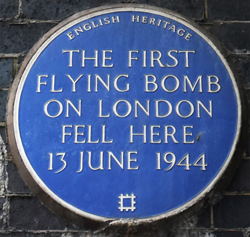
Blue Plaque in Grove Road.
V1 attacks killed 9,251 civilians and 17,981 were injured.
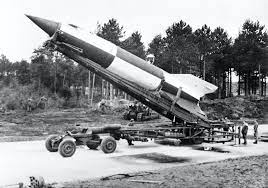
V2 Rocket.
On Friday 8 September 1944 the first V2 rocket launched from the Netherlands hit Staveley Road Chiswick, London. Three people were killed and 19 injured and the blast left a 30 foot crater. The youngest known fatality was Rosemary Ann Clark aged 3 whose parents were injured and died the same day at the West Middlesex County Hospital, Isleworth.
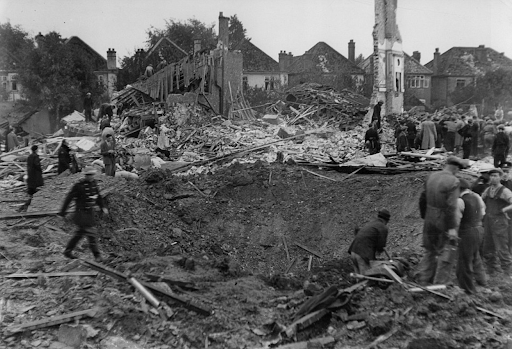
Staveley Road Chiswick.
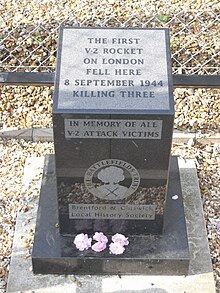
Memorial in Staveley Road.
On 27 March 1945 at 7:21 am a V2 rocket exploded at Hugh Mansions Valance Road, Bow London killing 134 men, women and children.
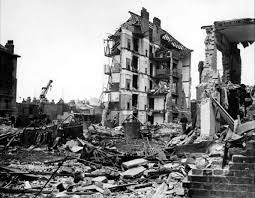
Hugh Mansions (IWM)
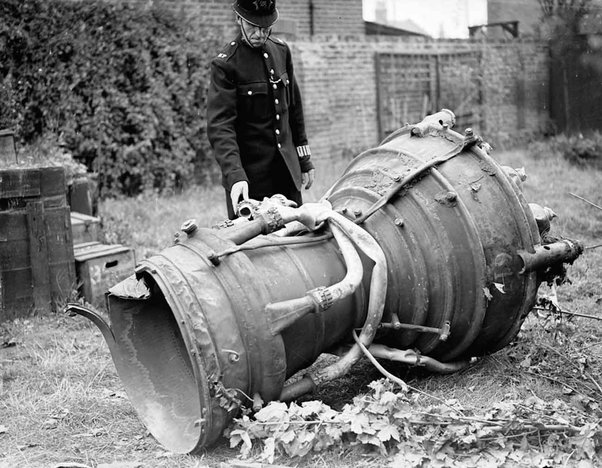
Engine of a V2 rocket.
Over 3,000 V2 rockets landed in Britain and killed an estimated 9,000 civilians.
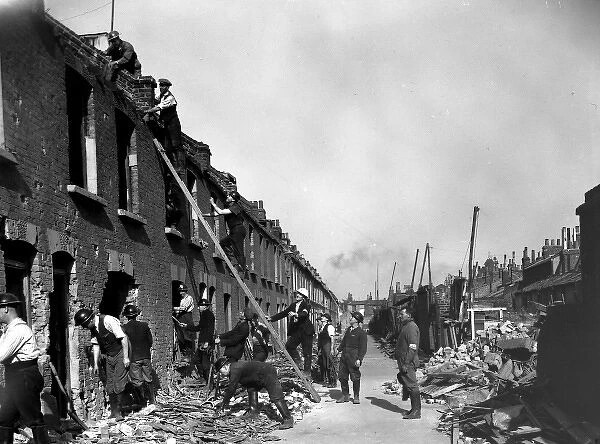
Around 6,725 V1 and V2’s were launched against Britain of these 2,340 hit London killing 5,475 civilians and injured 16,000.
Pilot Officer Osman McMillian RCAF KIA 24 September 1944.
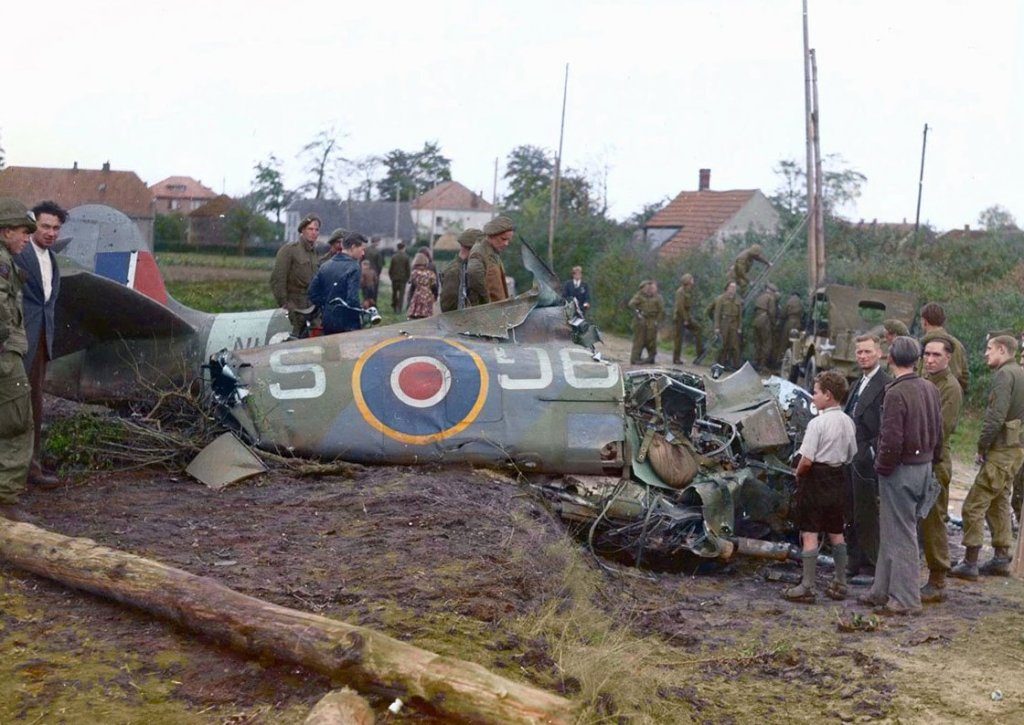
Wreck of the Spitfire flown by P/O McMillian. (Colour by Piece of Cake, original image credit not listed)
21 year old Pilot Officer Osman McMillian from Windsor Ontario, Canada served with 441 Squadron Royal Canadian Air Force (RCAF) and was recently commissioned before being killed in action in Gelderland, Netherlands on 24 September 1944.
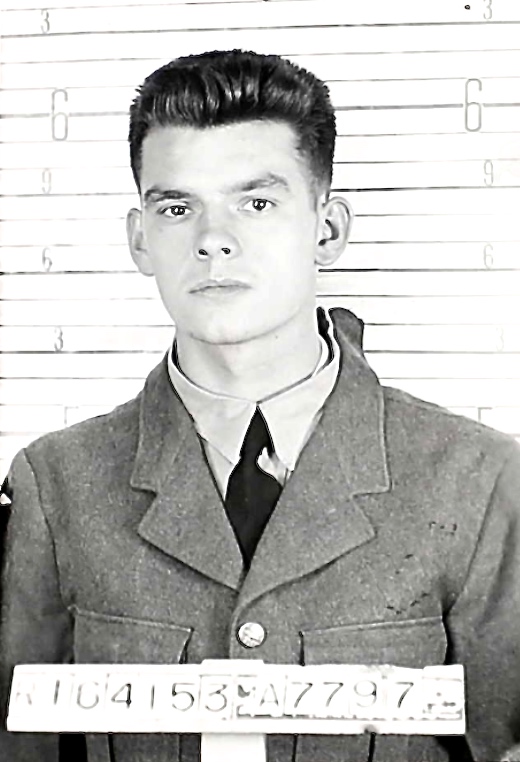
Osman McMillian before qualifying as a pilot and later commissioned. (Canadian Archives)
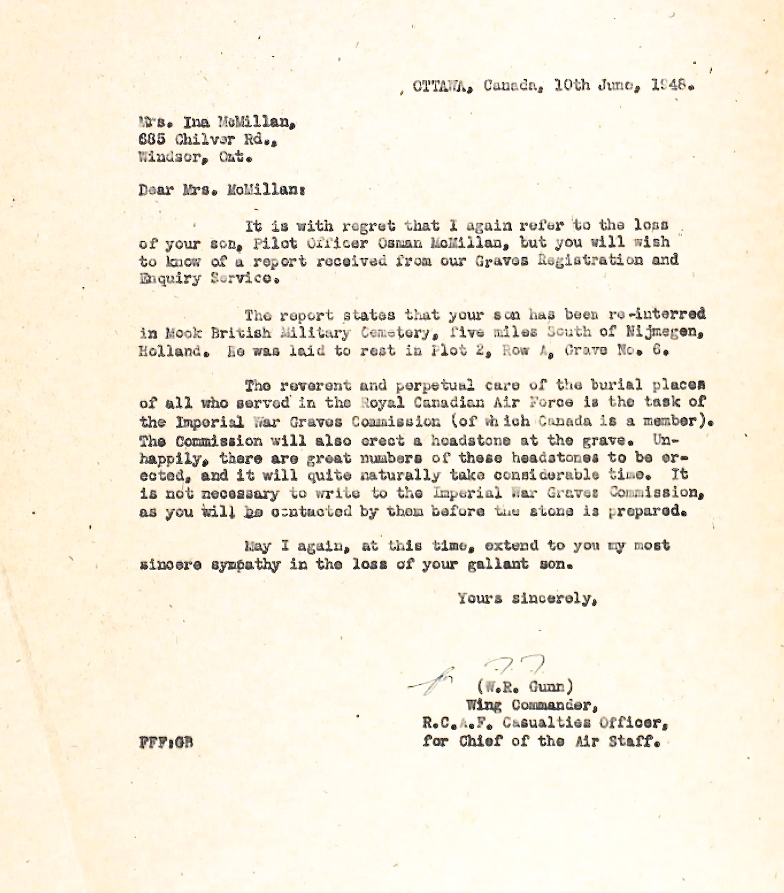
Letter to his mother informing her where her son was buried (Canadian Archives)
Pauline Trahan: SOE Agent.
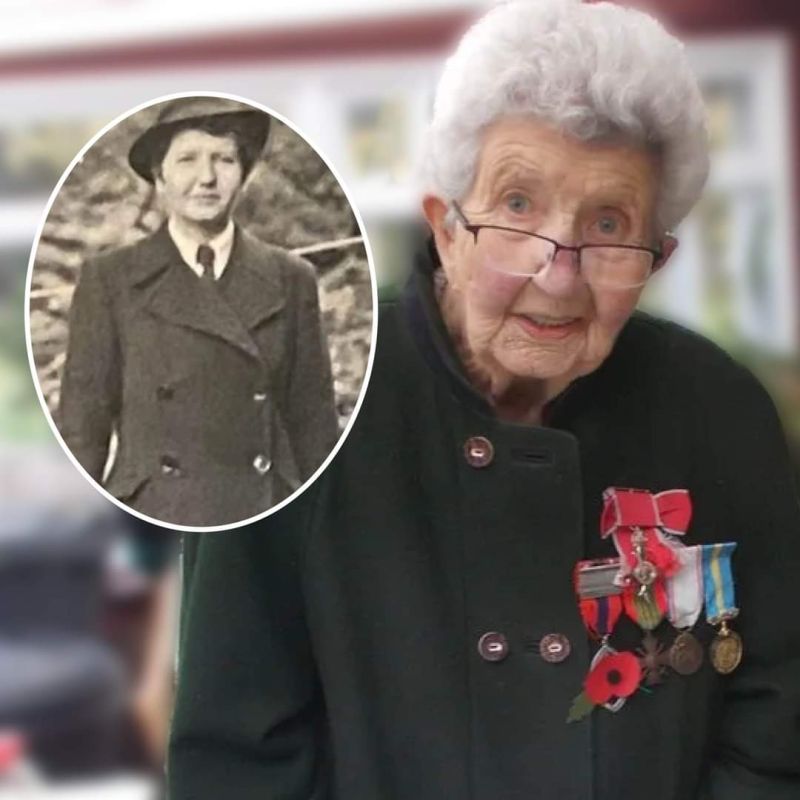
I have recently been informed that on 4 February 2024 one of the last surviving members of the Special Operations Executive (SOE) French Section died at the age of 97. If her age is correct and was 17 when she parachuted into France, Nicola Pauline Marie Trahan was one of the youngest agents serving with F (French ) Section. RIP
NATO Exercise ‘Bold Guard’ and the Kiel Canal tragedy in September 1974.
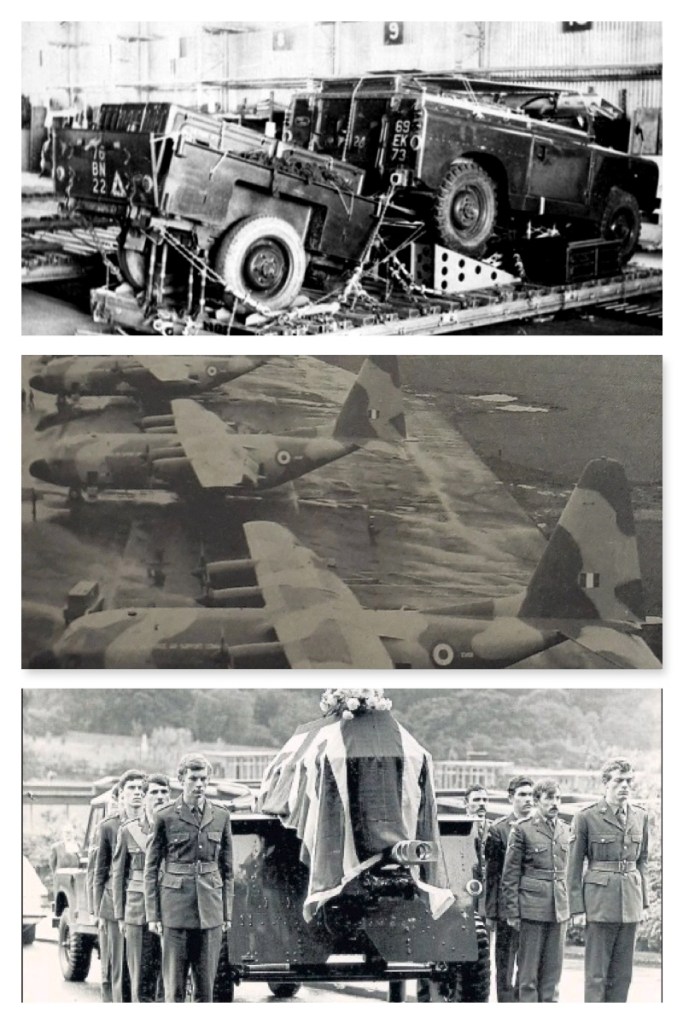
On 11 September 1974 a mass NATO exercise called Operation Bold Guard took place in Germany which included an air assault by 540 paratroopers. The British contingent consisted of five waves of six Hercules aircraft from RAF Lyneham with men from the 15th and 4th Battalions of the Parachute Regiment TAVR along with heavy drop (Land Rovers etc).
According to an RAF Board of Enquiry, during the night drop that was part of a second wave 15 parachutists landed in the Kiel Canal of whom 6 drowned. A German Army rescue launched picked up 5 men and recovered 1 dead body. Eights days later four bodies were recovered with their life jackets inflated and the total number of recorded deaths is 6 (1 from 4 para and 5 members of 15 para.
British Home Front During World War Two.
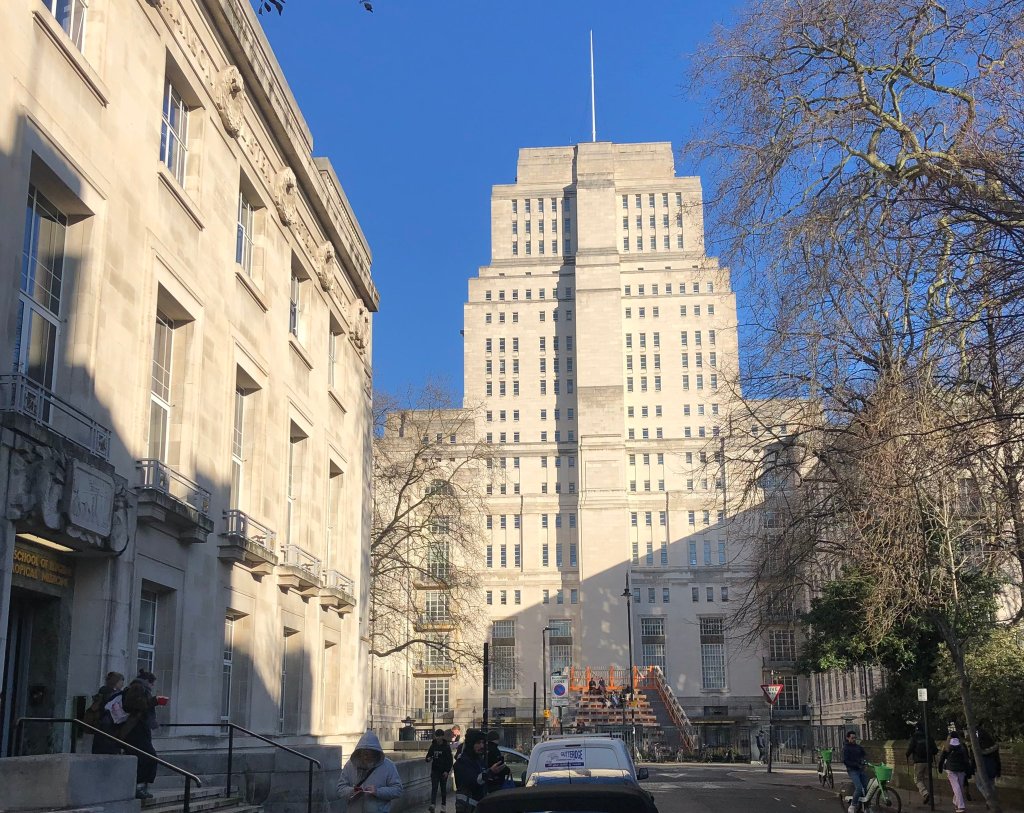
Senate House.
Senate House in Malet Street, London WC1 close to the British Museum is an Arc Deco building built between 1932 and 1937 and is now the library and administration centre for the University of London. Most days of the week many thousands of people walk past this building and the general public along with students at the University of London are seldom aware of its wartime history.
During Operation Sea Lion, the planned German invasion of the British Isles, Hitler was so confidence of a swift victory and occupation of the United Kingdom he intended to use Senate House for the administration of Britain and the ‘ethically pure’ elements of British society would be selected to support what he ambiguously called ‘Political Peace’.
After the Luftwaffe was unable to gain air superiority during the Battle of Britain the invasion of the British Isles was cancelled and Hitler turned his attention to the Soviet Union.
Roger Sabourin: Wireless Operator SOE French Section.
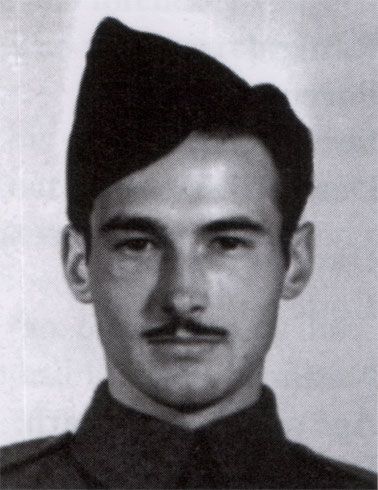
24-year old Roger Sabourin
Roger Sabourin was born in Montréal, Canada on 1 January 1923 and was serving with the Canadian Intelligence Corps before joining SOE on 2 January 1944 and trained as a wireless operator.
On the night of 2/3 March 1944 Roger Sabourin on his first mission to France to start a new circuit called BARGEE and Adolphe ‘Alex’ Rabinovitch on his second mission, the first of which he was lucky not to be captured by the Gestapo before escaping to England, parachuted to a drop zone adjacent to woodland.
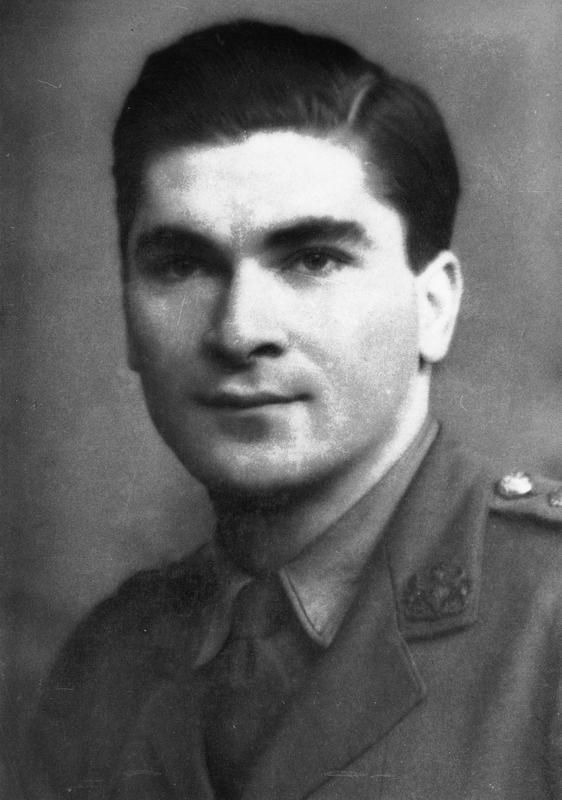
Adolphe ‘Alex’ Rabinovitch
It was originally believed the reception committee, members of the resistance at the drop zone to assist them, were from ARCHDEACON circuit that had been infiltrated but later research discovered they had been dropped to SORCERER circuit that had been infiltrated and was being run by the Abwehr (German Military Intelligence) as part of their deception to capture incoming agents.
When Sabourin and Rabinovitch were taking off their parachutes, through the moonlight they saw a German soldier and immediately ran into the woods and during a brief firefight two German soldiers were killed but Sabourin and Rabinovitch were wounded and unable to continue their escape.
After lengthy interrogation by the Gestapo Rabinovitch was transported to Cross-Rosen concentration camp in Poland where he was executed on 2 March 1944. Sabourin was executed at Buchenwald camp on 14 September 1944. Thirty-seven allied officer were also killed that day along with Canadian SOE officers Frank Pickersgill, Ken Macalister and French SOE agent Robert Benoit.
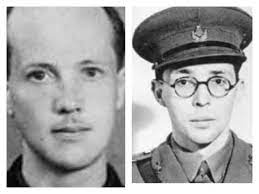
Pickersgill and Macalister
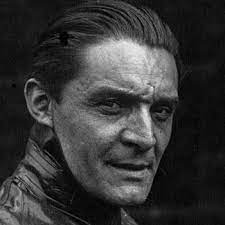
Robert Benoit
During an investigation into missing agents after the war it was discovered that Sabourin, Macalister, Pickersgill and Benoit had been executed by slow and painful strangulation by piano wire after being suspended from hooks on the walls of the Buchenwald camp crematorium.
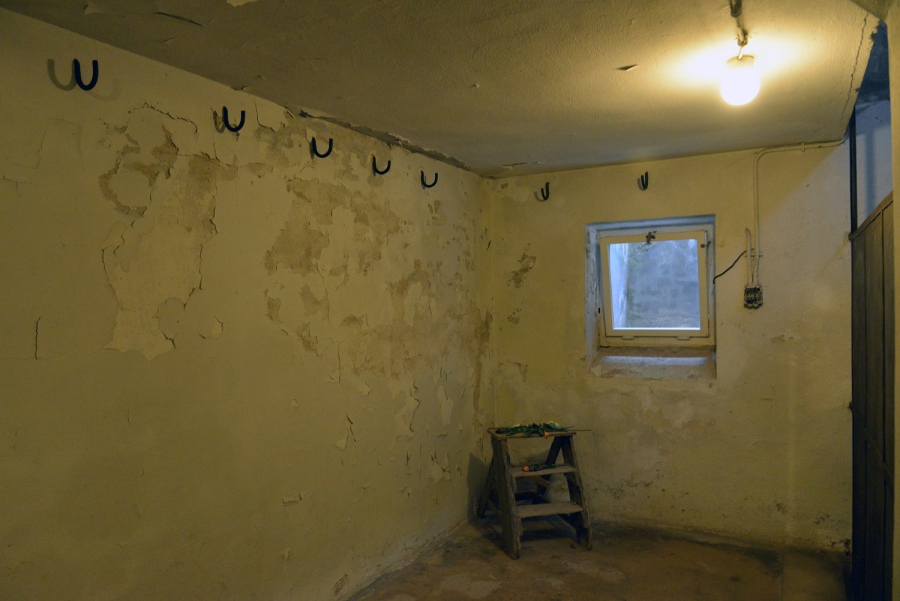
Buchenwald camp crematorium with hooks on the walls for strangulation.
 Alan Malcher