Marcel Pinte the six-year old who worked for the French Resistance

(Musee Resistance)

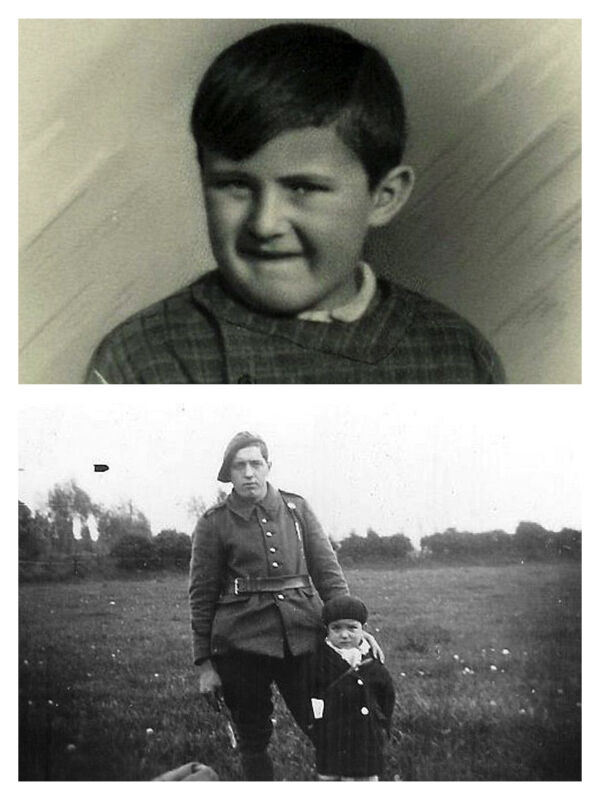
French Resistance. Six-year old Marcel Pinte worked for the resistance carrying secret messages to various parts of the resistance network and his father, Eugéne Pinte (aka La Gaubertie) ran a resistance cell from their remote family farm. It was later said, with his school satchel on is back he didn’t raise suspicion.
  In August 1944 Marcel accompanied the Maquis to a night parachute drop of weapons and supplies and whilst waiting for the drop a member of the resistance had an accidental discharge with a Sten Gun during which Marcel was hit by several rounds and killed.  He was later honoured during the Armistice Day at a ceremony in Aixe-sur-Vienne, near the city of Limoges in central France.

Polish Resistance During the Warsaw Uprising.

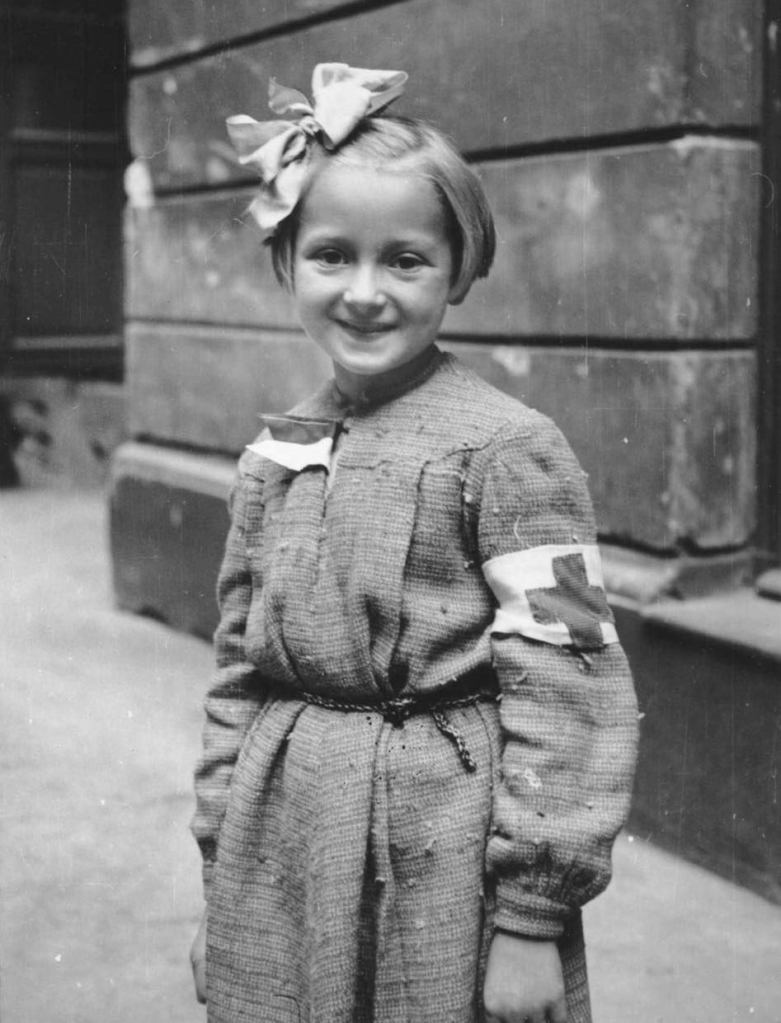
Róża Maria Goździewska (Eugeneniusz Lokajski)

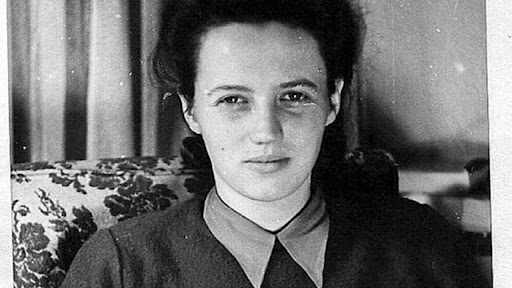
Polish Resistance. During the Warsaw Uprising in 1944, 8-year-old Róża Maria Goździewska became the youngest nursing assistant with the Polish Resistance Home Front Army, after her father was killed by the Gestapo and her home burned during reprisals against the resistance. During the fighting Róża worked in a basement field hospital where she was known as Różyczka, “Little Rose.”

She survived the war and later graduated from the Silesian University of Technology and moved to France in 1958 where she married and had two children. She died in 1989 at the age of 53. (Photo Credit Eugeniusz Lokajski which is said to be rare because it shows a smiling Polish child during the war) 

Norwegian Resistance during WW2: Anne-Sofie Ostvedt

Anne-Sofie Ostvedt (soure common)

Anne-Sofie Østvedt, (later married Strømnæs), (2 January 1920 to 16 November 2009) was second in command of a Norwegian Resistance group called XU. Like many throughout occupied Europe during WW2 who later joined the resistance she started resisting by publishing underground newspapers and in December 1941 she was recruited by XU. Despite being only in her early 20’s she was vital to XU’s underground movement and became their second in command.  In 1942 the Gestapo was attempting to track her down, but her identity was not known by other members of the movement and she was only known as ‘Aslak’ which I understand is a male name in Norway. According to several accounts, after the war many members of the group who she gave orders to were surprised at her young age and the fact she was female.

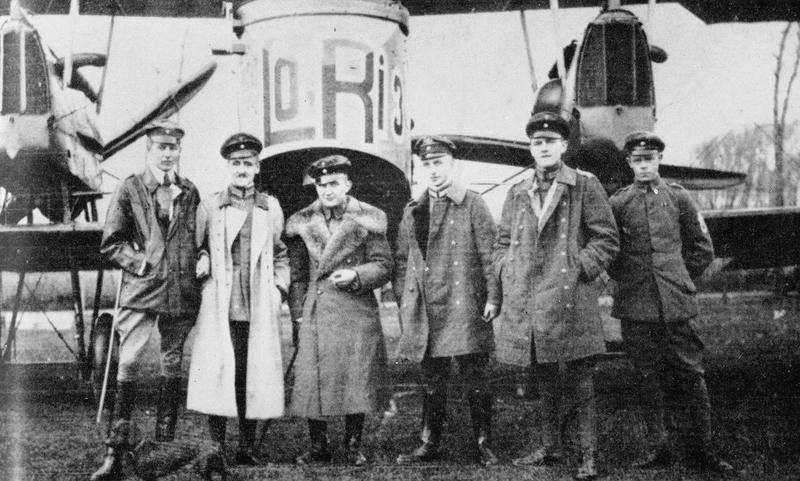
Luftwaffe Fighter Ace Hans-Joseph Marseille.

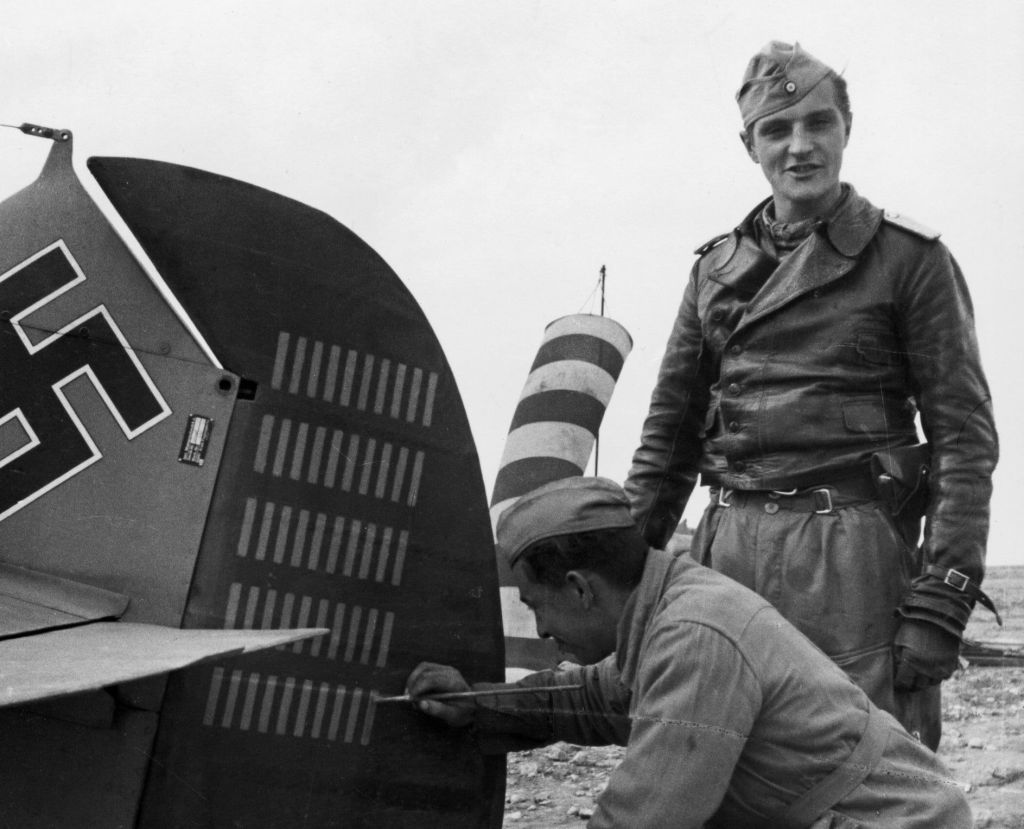
Hans-Jospeh Marseille (German Federal Archives)

Hans-Joachim Marseille was a German Luftwaffe fighter Ace during WW2 and by the age of 22 was awarded the Knight’s Cross with Oak Leaves, Swords and Diamonds. Apart from being well-known in Germany for his impressive successes during aerial combat he was also known for his Bohemian Lifestyle.

On 26 September 1942 (some say 30 September) he was flying in formation over Sidi Abdel Rahman, Kingdom of Egypt in a Messerschmitt Bf 109 when the aircraft developed a serious engine failure and the cockpit rapidly filled with thick smoke and Marseille reported by radio he was bailing out.   After peeling away from the formation to give him room to manoeuvre, eyewitness statements from other pilots reported seeing him using the standard procedure of rolling the aircraft onto its back to make it easier to exit. A subsequent investigation concluded Marseille was disorientated by thick smoke and was unaware his aircraft had entered a deep dive of approximately 70-80 degrees and was travelling at a considerable speed and after bailing out his chest hit the vertical stabilizer of his aircraft which either killed him instantly or rendered him unconscious and was unable to pull the ripcord to open his parachute. His watch stopped at 11:42 am which is the time he struck the ground and a Luftwaffe doctor pronounced him dead on the scene after suffering massive head and other injuries. 

Another forgotten conflict since WW2: Borneo

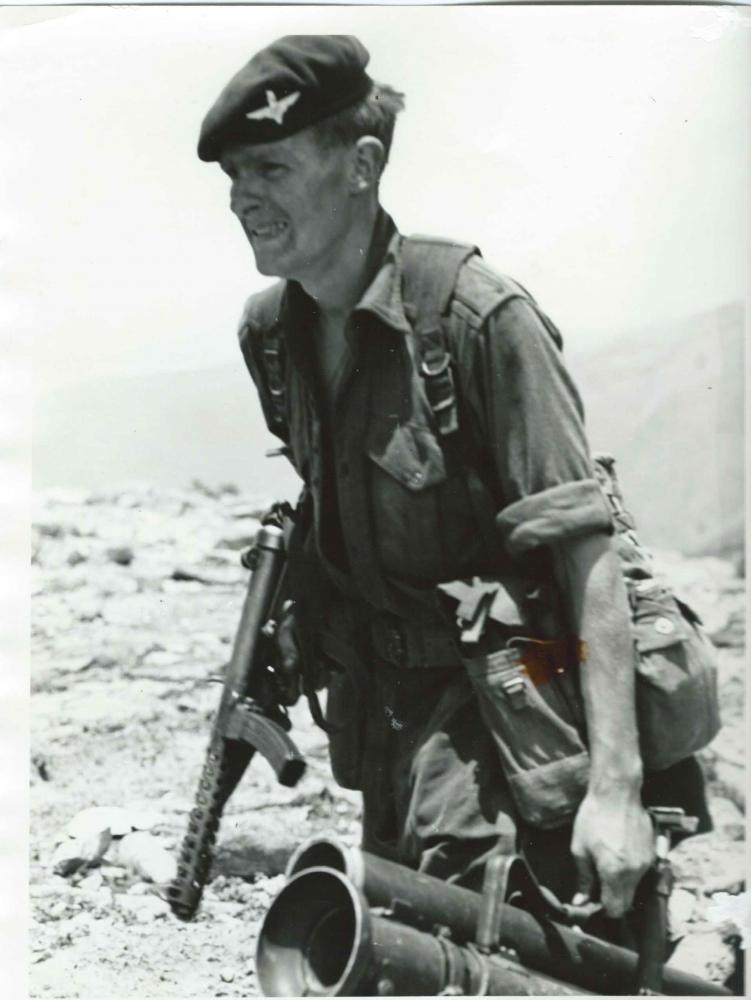
Borneo (Paradata)

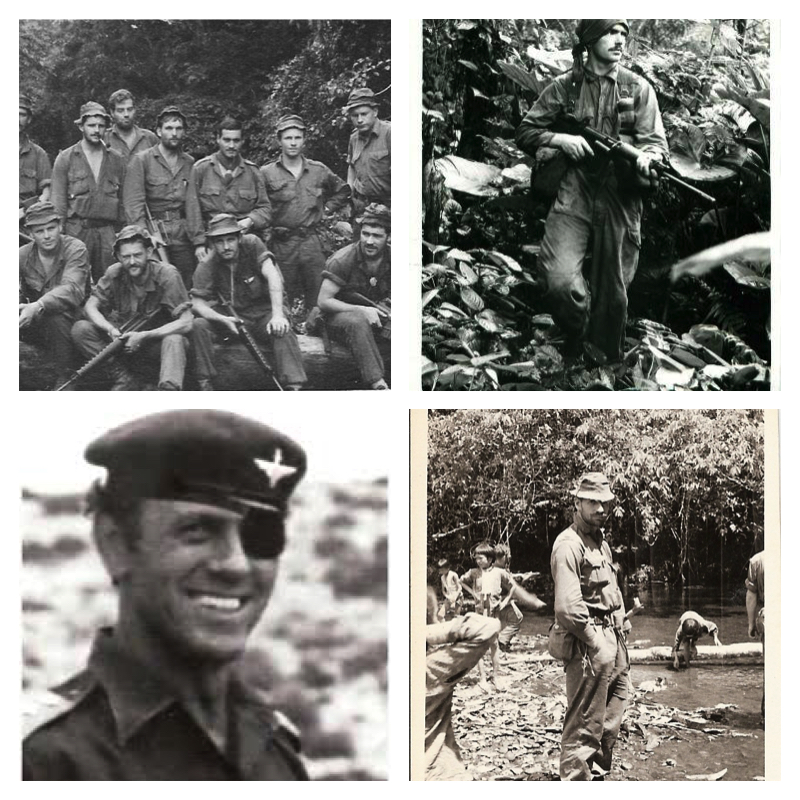
The Battle of Plaman Mapu on 27 April 1965 was one of the largest battles during the Indonesian- Malaysia Confrontation over the creation of the new Malaysian state. Plaman Mapu was a small base in the jungle on the border between the Malaysian state of Sarawak and Indonesia, and the battle commenced in the early hours of 27 April after Indonesian troops crossed the border and launched a surprise attack against 36 men of B Company 2 Para who found themselves fighting an estimated 400 Indonesian troops which had artillery support.

Borneo (Paradata)

Sergeant-Major Williams organised a counter attack and whilst under heavy fire led men towards a captured position and engaged around thirty Indonesian soldiers and during a second attack Williams killed several more with a GPMG during which he was blinded in one eye. When they launched a third attack Williams began receiving support from rifle fire which was followed by artillery and grenades and the Indonesian infantry retreated across the border after an intense two-hour fire fight.

From most accounts the Battle of Plaman Mapu was a turning point in the conflict. Due to heavy losses (total numbers unknow) the Indonesian Army did not launch another large cross-border attack and their defeat was a disaster for the government: within months there was revolution in Indonesia and peace was secured within a year as the conflict ground to a halt. (photo Para Date) More information can be found at Airborne Assault Para Data .

https://www.paradata.org.uk/article/battle-plaman-mapu

British Forces in the Radfan 1 April 1964 to 30 June 1964: One of several forgotten conflicts.

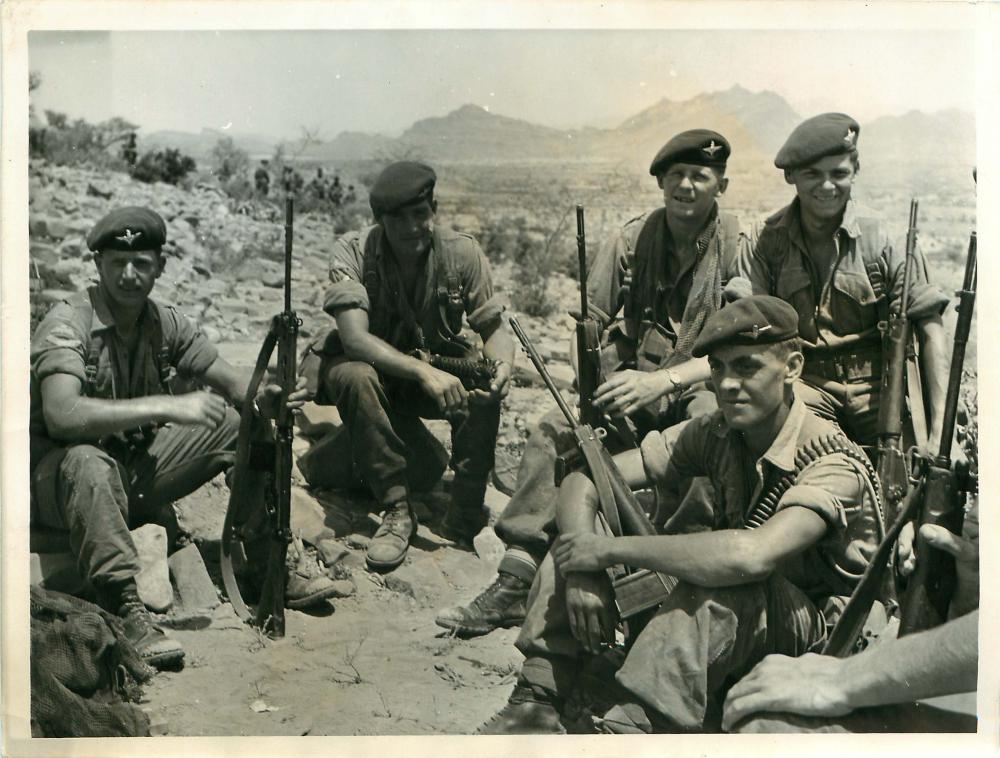
British Paratrooper on the Radfan Moutains. (Paradata)

One of many forgotten conflicts since WW2: the Aden Emergency was an armed insurgency by the NLF and FLOSY against the Federation of South Arabia, a protectorate of Britain which is now part of Yemen. 

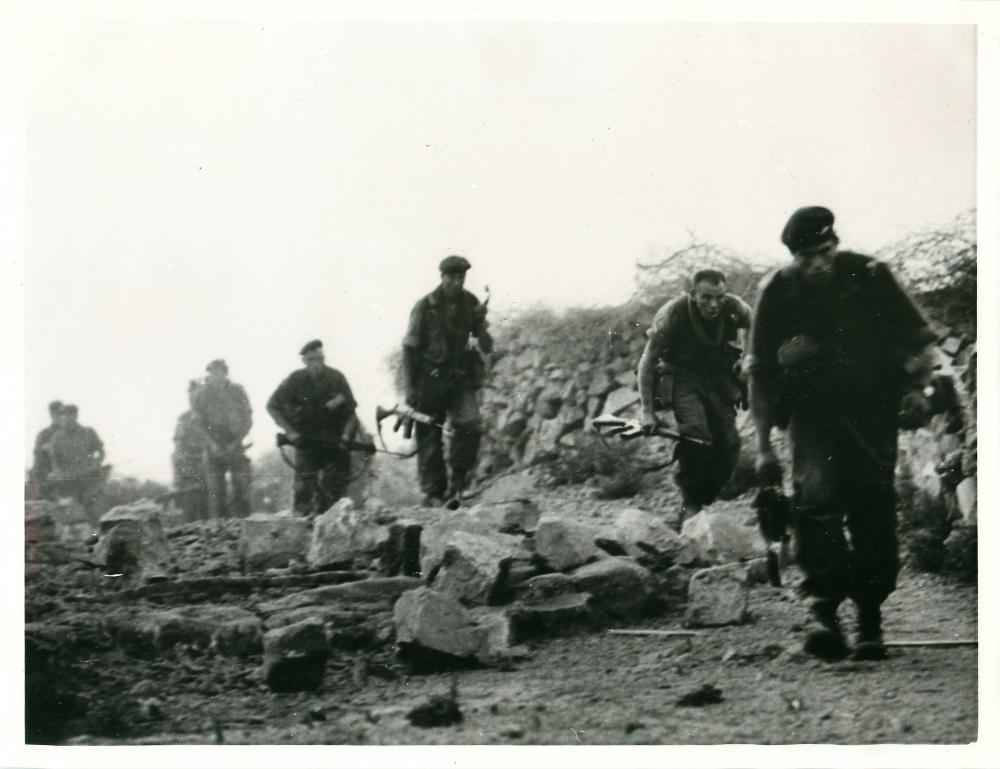
The 5000-foot Bakari Ridge which dominated the Wadi Dhubson was regarded as impregnable by the insurgents and accommodated their leadership. To capture the Wadi Dhubson members of 3 Para (3rd Battallion Parachute Regiment) scaled the mountain carrying 90lb loads and covered 11 miles during two-night marches and after a number of skirmishes and a large firefight they occupied the ridge on 24 May.

Radfan (Pradata)

Soldiers descended from the ridge on 30-foot ropes and surprised the insurgents and this was followed by a violent fire-fight and air attacks from RAF fighters and concentrated fire from the battalion broke all resistance and the insurgents withdrew leaving their dead and all their weapons behind. Villages were searched, and arms dumps destroyed. Within nine days 200 square miles of territory which had been an insurgent stronghold and had never been entered by Europeans was secured and place under government control and many insurgents had been killed.

(Paradata)

3 PARA withdrew back to Aden on 28th May having won a DSO, an MC and four additional medals, three MIDs and six CinC commendations. D Coy, 3 PARA were deployed on 6 June and remained behind for a further four weeks.


The Sussex Safe house and the French Resistance: Bignor Manor

The Bertram Family (source unknown)

Anthony and Barbara Bertram with their young son rented a cottage called Bignor Manor in the small village of Bignor located in Chichester, West Sussex and quickly became respected members of the village community. There was nothing unusual about the Bertram family: they kept chickens and exchanged fresh eggs for other produce; their son had a pet goat called Wendy and he spent most of his spare time playing with other children in the village. 

Bignor Manor


   In 1995 Barbara Bertram published her war memoirs, ‘The French Resistance in Sussex’, and many of the villagers who knew the family during the war were shocked to discover the important role the Bertram’s and Bignor Manor played during the secret war in France.
   Bignor Manor was around 11 miles from RAF Tangmere which during the moon-period Lysander aircraft from 161 Special Duties Squadron used for air landings deep inside France to deliver and pickup SOE, MI6, MI9, RF (Free French agents) and Bignor Manor was the forward safe house for agents being transported to and from France.  

Sitting room and dartboard


  A dartboard in the sitting room concealed a cupboard containing equipment being issued to agents including personal firearms, special devices and weapons and Cyanide capsules.
  Even Wendy, the pet goat, played a part in their clandestine work. Barbara recalled, “London received an urgent wireless request to pick up an agent who was being hunted by the Germans. The BBC French service sent a cryptic message saying, ‘Wendy needs a new dress.’ This meant their message had been received and arrangements were being made. A few hours later a BBC announcer said, ‘Wendy has bought a new dress’ and this told the agents a Lysander had entered French airspace.

The British Homefront during WW2: The Café de Paris bombed during the London Blitz

The Café de Paris was a London nightclub in Coventry Street W1 near Leicester Square which opened in 1924 but closed permanently in 2020 due to the Covid-19 pandemic. After receiving a direct hit during the Blitz, it was reported in newspapers but due to censorship the full story only became known several years after the war.

On the night of 8 March 1941, the Café de Paris which had a maximum capacity of 700 people was described as heaving with couples dancing to Ken ‘Snake hips’ Johnson’s big band. Twenty-six-year old Ken Johnson was from British Ghana and had just started playing when according to one of the few survivors there was an immense blue flash. Two bombs entered the night club down a ventilation shaft from the roof and exploded in front of the band. Ken Johnson’s head was blown from his shoulders and the legs of dancer’s were sheared off. Due to the confined space the blast was magnified and burst the lungs of diners as they sat at their tables and killed them instantly.

Ken ‘Snake Hips’ Johnson

When rescuers arrived one tripped over a girl’s head on the floor, looked up and saw her torso still sitting in a chair. The dead and dying where heaped everywhere.

The number of fatalities determined by body parts is not known and numbers varying considerably but this was not uncommon during the Blitz.

Johnny Ramensky: the Glaswegian who cracked safes behind enemy lines during WW2

Johnny Ramensky spent most of his life in and out of jail.

    Several agents who served with the Special Operations Executive who graduated from the Beulieu finishing school mentioned a larger than life Glaswegian career criminal called Johnny Ramensky who was also known as ‘Gentle Johnny’ because every time he was arrested he was polite to the police and owned up to his crimes. Ramensky had a Polish Father and Scottish mother and was released from prison after agreeing to train students to become safecrackers and cat-burglars and after disappearing from Beulieu it was rumoured he was back in prison after being caught breaking into a safe.

Due to his criminal skills still being in demand he was released from prison again in 1943 and enlisted into the Fusiliers, but throughout the remainder of the war he served with 30 Commando and was later awarded the Military Medal. Apart from cracking safes and sabotage operations behind enemy lines it was widely said Ramensky found time to loot the Germans and find ways to transport various valuables back to Scotland and even gave an expensive ‘stolen’ present to the governor of a prison where he previously served time for burglary and during a short time in hospital a senior police officer who arrested him several times over many years sent a letter addressed to  ‘Gentle Johnny’ wishing him a speedy recovery.   

Ramensky started his long criminal career shortly after leaving school and spent 40-years of his life in and out of various prisons and after the war returned to crime. Sometime in 1972 Ramensky was sentence to one-year in prison after being caught on the roof of a shop and whilst in prison ‘Gentle Johnny’ suffered a stroke and died at Perth Royal Infirmary on 4 November 1972.

Polish Section SOE

Polish Section SOE.  Agents trained at station 43 (Audley End House and Gardens near Saffron, Essex which is now owned by English Heritage) This section became known as the Cichocienmni – the silent unseen. Between 1941- 1945, 316 Polish SOE agents were dropped into occupied Poland and 103 men and women were killed in action or executed by the Gestapo and a further 9 were killed by Soviet Forces after the war. In 1983 a memorial urn was placed in West Park in memory of the 103 Polish parachutists who lost their lives during the war.

Every year on 11 November (Armistice Day and Polish Independence Day), the staff at Audley End stop their work, and gather at the memorial for a short service, ensuring that the dedication and bravery of the Cichociemni are not forgotten.