On the night of 16 September 1942 Wellington bomber pilot, Bill Randle, took off on his 19th operation.
Whilst crossing the Dutch coast at 21,000 feet the Wellington was hit by anti-aircraft fire but despite the damage Randle continued to the target where they again came under intense ground fire.
After bombing the target in Essen Germany, the Wellington was hit by flak and the port engine failed and as the aircraft became increasingly difficult to control and was quickly losing height Randle ordered the crew to bailout.
Randle landed in a tree near the German-Belgium border and after freeing himself from the tangled parachute he headed for the coast and travelled by night and hid during the day. After coming across a patriotic farmer, he was warned the coast was heavily defended so decided to make his way south.
During a train journey to Namur, he realised without identity papers he was unlikely to escape so decided to walk towards France.
Randle was then fortunate to come across an elderly man who was also a patriot who arranged for him to be hidden by monks for ten days. It was said Randle was passed to the Belgium Resistance; in fact, he was passed to the Comet Escape line which for security reasons was separate from the Resistance.
After being interrogated to ensure he was not a German infiltrator and his story confirmed by London through their wireless link Randle was given clothes and false identity papers identifying him as a Flemish commercial traveller. Guides then took him to Brussels where he was reunited with two of his crew who were also being helped by members of Comet.
The crew were kept in a safehouse before the escape line organiser 26-year-old Andree de Jongh (cover name Dedee) escorted them to Paris. After two days in a Paris safehouse a young girl escorted them by train to St Jean de Luz where they dressed as Basque farm labourers. Dedee then re-joined the airmen and with a local guide they quietly walked along narrow forest paths during the night whilst avoiding German patrols. After crossing the river Bidassoa into Spain Dedee briefly left the group and returned with a taxi and took them to the British consul in San Sebastian.
Randle had been on the run for 55 days; Dedee was eventually betrayed but survived Ravensbrûck concentration camp and after the war was awarded the GM (George Medal) for her work on the escape line during which she was responsible for rescuing over 300 allied air crews.
AUTHORS NOTE- there are several conflicting accounts and inconsistencies will be found in several official documents which are explained in my forthcoming book.
On the night of 28/29 February 1944, SOE agents France Antelme on his third mission to France, wireless operator Lionel Lee and Madeleine Damerment arrived by parachute near the city of Chartres to start a clandestine circuit called Bricklayer.
It is now believed sometime in late 1943 Canadian agents Frank Pickersgill and Ken Macalister had been arrested during which their wireless and codes were found, and a German operator started playing back their set and because the correct codes were being used no suspicion was raised in London. It was the Gestapo, not the Canadian agents who requested these agents be sent and consequently were dropped to the waiting Germans.
From the post war investigation, we see Antelme was furious and began fighting the Gestapo officers before eventually being restrained and the three agents were taken to Avenue Foch, Gestapo Paris HQ where Antelme refused to talk whilst being tortured. Antelme and Lee are recorded as being executed at Gross Rosen Concentration Camp in Lower Silesia and Madeleine Damerment along with three other female SOE agents were transported to Dachau in Germany where they were forced to kneel before being shot through the base of their necks. Canadian agents Pickersgill and Macalister along with several other SOE agents were executed by slow strangulation with piano wire suspended from hooks in the crematorium at Buchenwald concentration camp sometime in February 1944.
British Homefront during WW2. Home Station was the name given to the wireless station in England which maintained contact with SOE agents throughout occupied Europe. Over 500 people, mainly women, worked at the station and these wireless operators were often the first to suspected there was something wrong: the agent under their charge was working under stress or their wireless set was being used by a German operator. Aware enemy forces were attempting to find their agents through direction finders these wireless operators ensured their agents did not stay too long on the air and did not ask them to repeat unreadable messages. No date (IWM)
Left: Leo Marks (24 September 1920 to 15 January 2001) the head of SOE’s codes and cyphers based at Michael House Baker Street, London. Right: his adversary in the Netherlands Abwehr (German Military Intelligence) Lieutenant Colonel Herman Giskes who was responsible for the wireless deception resulting in many SOE agents from the Dutch Section and members of the resistance being captured and executed. People who knew Marks said his brain was wired differently and could workout complex problems and it was Marks who discovered the Abwehr wireless deception alternatively called the ‘wireless game’ and ‘Englandspiel’ (England Game). (Photos IWM)
Hugo Bleicher was a sergeant with the Abwehr stationed in France. Despite his rank Bleicher was responsible for crushing resistance throughout France and due to his ruthless approach and high success rate was supported by senior officers in the Abwehr. SOE agents and members of the resistance who were tracked down and arrested by Bleicher were handed to the Gestapo and were tortured for information, eventually executed or sent to concentration camps.
Bleicher used the cover names Colonel Henri, Jean Verbeck and Jean Castel. After the war Bleicher insisted he was not aware the prisoners he handed to the Gestapo would be tortured and executed but Colonel Maurice Buckmaster who was the Commanding Officer of SOE’s French Section rejected this claim and accused him of being an arrogant upstart and a war criminal. Hugo Bleicher also gave evidence against former members of the Abwehr and until his death in 1982 Bleicher ran a tobacconist in Tettnang, Germany. (Photo IWM)
The Sicherheitsdienst (SD), Sicherheitsdienst des Reichsführers-SS Security Service of the Reichsführer-SS was closely connected with the Gestapo and documents of the period often refer to both as the Gestapo.
On the night of 6 April 1944 Mertizen was dropped by parachute with two other women agents (Marie-Louise Cloarec and Pierrette Louin). After landing in a field in the Limoges region of France the three women made their way to Paris.
On the night of 25 April, the women were arrested after being denounced by a collaborator and interrogated by the Gestapo. In August they were transported to Ravensbrûck concentration camp where they were shot, and their bodies incinerated sometime in 1945. Mertizen was posthumously awarded the Military Cross, Medal of the Resistance and the Chevalier of the Legion d’honour. Her name will be found on the Tempsford Memorial in Bedfordshire near former RAF Tempsford (138 Special Duty Squadron) which was responsible for parachute operation in occupied Europe. (I’m still researching the other women).
SOE agent Odette Sansom (she married Peter Churchill after the war) was a single mother with three young children in England when she was arrested by the Abwehr and eventually handed to the Gestapo. During their attempt to force her to talk Sansom was repeatedly burnt on the back with a red-hot poker and each time she fainted from the pain was revived with buckets of cold water being thrown over her so the torture could continue. When burning failed to break her all her toenails were pulled out but Sansom still refused to give the Gestapo information about her wireless operator who was in hiding and after the war Sansom reluctantly admitted to a journalist she was willing to die rather than answer their questions. Sansom then survived the ill-treatment and horrors of Ravensbrûck Concentration camp and after the war was awarded the GC which she always insisted was not awarded to her personally but represented all those alive and dead, known and unknown who fought for the liberation of France.
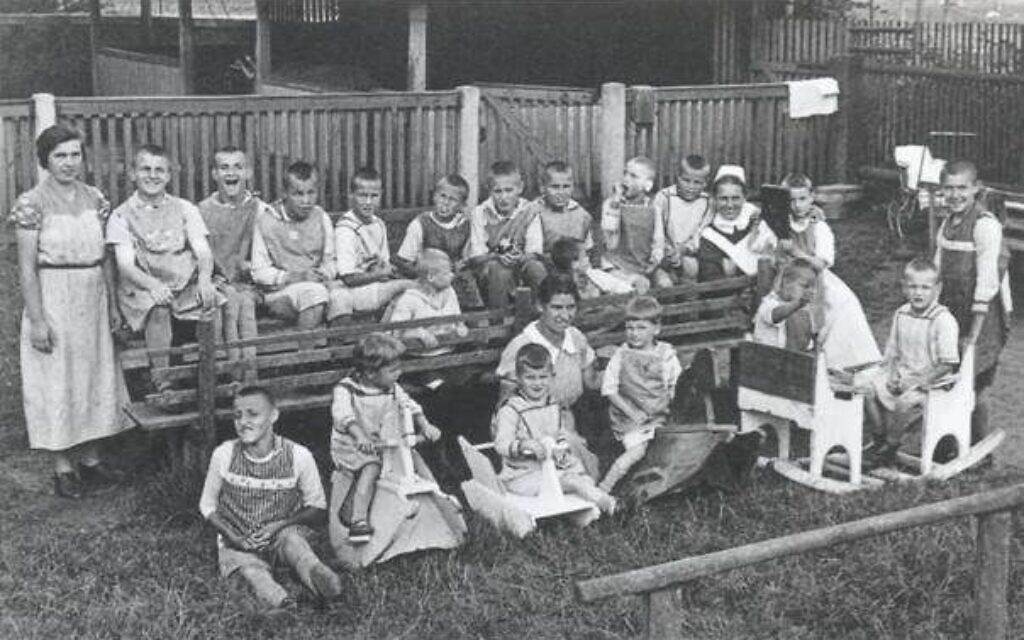
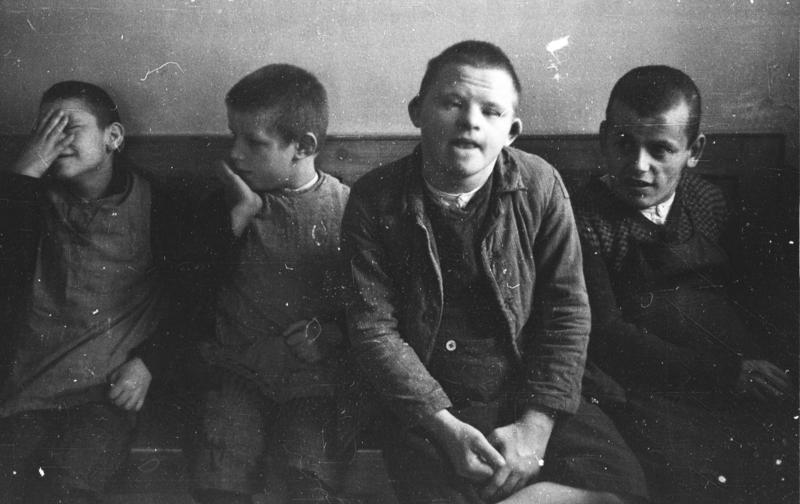
Much continues to be written about war crimes by the SS and Gestapo during the Second world War and this short piece is intended to bring attention to the mass murder of German civilians including children who through illness were regarded ‘worthless idiots’ and an unnecessary burden on German society.
In current parlance the term euthanasia refers to the practice of so-called ‘mercy killing’ commonly described as the painless ending of life of a person who is terminally ill and only at their request. Although the Nazis used the term euthanasia they described it as the “Destruction of worthless life”.
The following British translations of Nazi documents discovered by the allies are among the many I studied at university.
In the 1920s Professor Karl Binding a former president of the Reichsgericht, the highest criminal court, and Professor Alfred Hoch, Professor of Psychiatry at Freiburg University wrote a book called “Permission for the Destruction of Worthless Life, its Extent and Form.”
Binding and Hoch believed “because of the war {WW1} and the alleged expansion in the numbers of ‘mental defectiveness’ as a result of exaggerated humanitarianism, Germany had become intolerably lumbered with living burden who were absorbing a disproportionate amount of resources which ought to be devoted to a national revival.”
They also said the state should be allowed to kill “the incurable lunatics, irrespective of whether they were born as such or whether they are paralytics in the final stage of their condition… Their life is completely worthless… they represent a terrible heavy burden for their relatives as well as society.
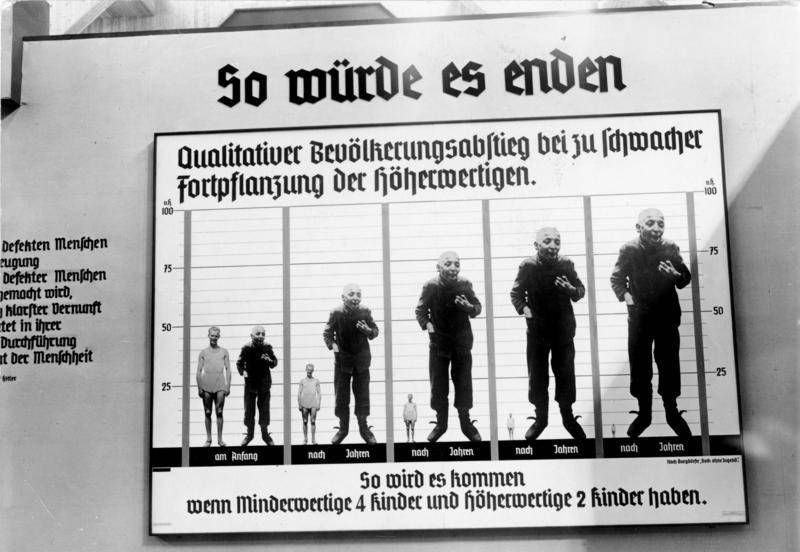
This Nazi eugenics poster from 1935 illustrates what they believed to be the dangers of allowing so-called genetic undesirables to live, reproduce, and account for a larger percentage of the gene pool than those with desired traits. (Federal German Archives)
Hoch also said:
“I can find no reason, either from a legal or from a social or from a moral, or from a religious standpoint for not giving permission for the killing of these people.“
Both also stressed the enormous financial cost involved in maintaining what they called “Idiots” and went on to say … “There was a time which we regarded as barbaric, in which the elimination of those who were born or became unviable was regarded natural. Then came the phase we are in now, in which finally the maintenance of any, even the most worthless existence is considered the highest moral duty: a new period will come which on the basis of a higher morality, will cease continually implementing the demands of an exaggerated concept of humanity and an exaggerated view of the value of human life”.
After the Nazi Party took power in 1933, these views were officially endorsed in its most extreme form as national socialism established itself on the belief of biological materialism governed by social Darwinism and the belief that human life was a struggle for the survival of the fittest which meant ‘performance’ had to be essential for all citizens.
During the Nuremburg Party Rally on 5 August 1929 Hitler said:
“If Germany was to get a million children a year and was to remove 700 to 800,000 of the weakest people, then the final result might even be an increase in strength…The most dangerous thing is for us to cut off the natural process of selection and thereby gradually rob ourselves of the possibility of acquiring able people…”
The Children’s Euthanasia Program
(Federal German Archives)
The following passage describes a ‘children’s asylum’ near Munich during a visit by members of the Nazi Party and SS officers on 16 February 1940, when a senior doctor was describing his facilities.
“We have children here aged from one to five. All these creatures represent… a burden for our nation… With these words he pulled a child out of its cot. While this fat, gross man displayed the whimpering skeletal little person like a hare which he had caught he coolly remarked: ‘Naturally we don’t stop their food straight away. That would cause too much fuss. We gradually reduce their portions. Nature then takes care of the rest… This one won’t last more than two or three days.”
On 15 October 1942 a doctor wrote to a colleague: “We have found a lot of nice idiots in the Hirt Asylum in Strasbourg, request for transfer will follow.”
(Federal German Archives)
The Adult (and young people) Euthanasia Programme
The exact date is unknown but is thought to have been in June or July 1939 when Hitler ordered the programme to be extended to adults. There are a large number of documents relating to this part of the project, but the following short overview is intended to provide an insight into the mindset of the doctors, nurses and others involved in the Nazi Euthanasia Programme.
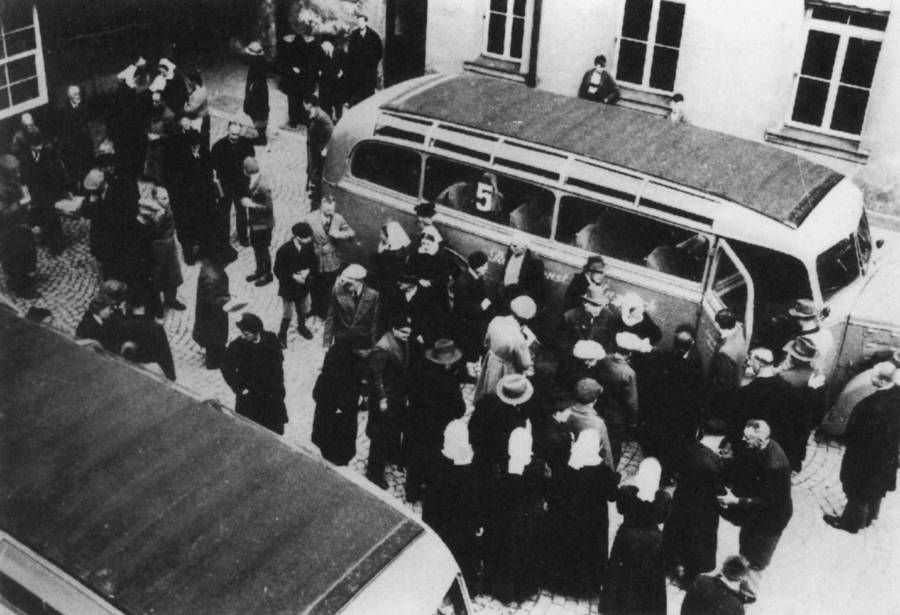
Disabled people being transported to camps for extermination (German Federal Archives)
There are many documented accounts of ‘ambulances’ arriving at homes to take disabled children and adults to clinics for treatment and relatives being unaware the exhaust pipes were pumping a lethal cocktail of fumes into the rear of the vehicle where the ‘patients’ were sitting.
The killing of those considered unworthy to live was later stopped after several doctors complained about ambulances driving round for several miles but not killing all the ‘idiots,’ and several others complained it was too time consuming to kill them in the required numbers and more efficient methods had to be developed. Some historians believe the Euthanasia Program was regarded as a learning process for later mass murder on an industrial scale at dedicated concentration camps.
As with most countries under German occupation during the Second World War there were many war crimes against civilians and in the case of France, two of the best documented are the massacre of civilians at Tulle (9 June 1944) and the village of Oradour-sur-Glane (10 June 1944) which are around 72 miles apart.
Tulle 1944
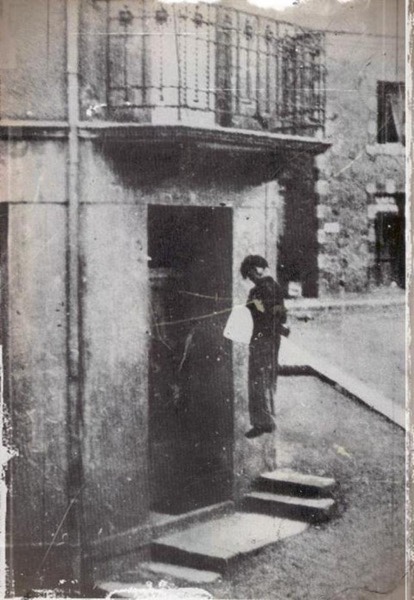
The 2nd SS Panzer Division Das Reich arrived at Tulle on 8 June, three days after the allies landed at Normandy, and started rounding up men between the ages of sixteen and sixty and some were accused of being members of the Maquis (French Resistance) because they had not shaven or polished their shoes. After the SS made their selection 99 men were hung to death from lamp posts and balconies and 149 were transported to Dachau concentration camp where 101 were executed before the camp was liberated.
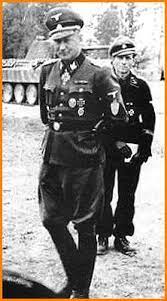
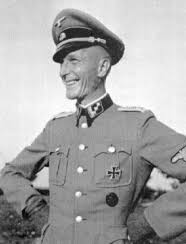
The commander who ordered the war crimes at Tulle and Oradour-sur-Glane was SS Gruppenfûhrer Heinz Lammerding.
SS Gruppenfûhrer Heinz Lammerding
After the war Lammerding was condemned to death in his absence by a French court but West Germany refused his extradition and was free to live his life without fear of prosecution despite the overwhelming evidence against him and after his death in 1971 his funeral became a reunion for over 200 former members of the SS.
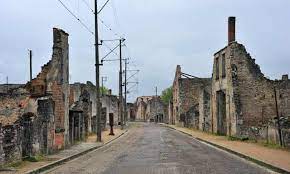
Oradour-sur-Glane 9 June 1944
The senior officer present during the massacre at Oradour-sur-Glane was SS Sturmbannfûhrer Otto Diekmann, whose name is sometimes misspelt on some documents as Otto Dickmann, who commanded the SS 1 Battalion, 4th Panzer Grenadier Regiment Der Fûhrer.
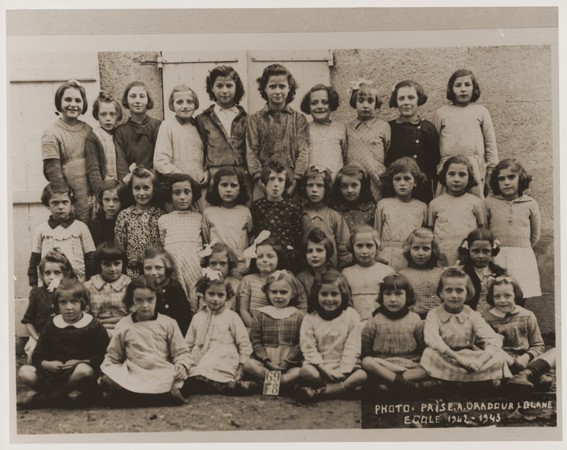
Diekmann ordered his men to roundup the entire civilian population and take them to the market square where they were separated into age and gender. After being separated 197 men were taken away and locked in a barn and the remainder of the villagers consisting of 204 women and 205 children were forced into the village church. The barn was then set on fire and anyone attempting to escape the flames were killed with machine guns. After the men were burnt alive hand grenades were thrown into the church and anyone who survived was shot.
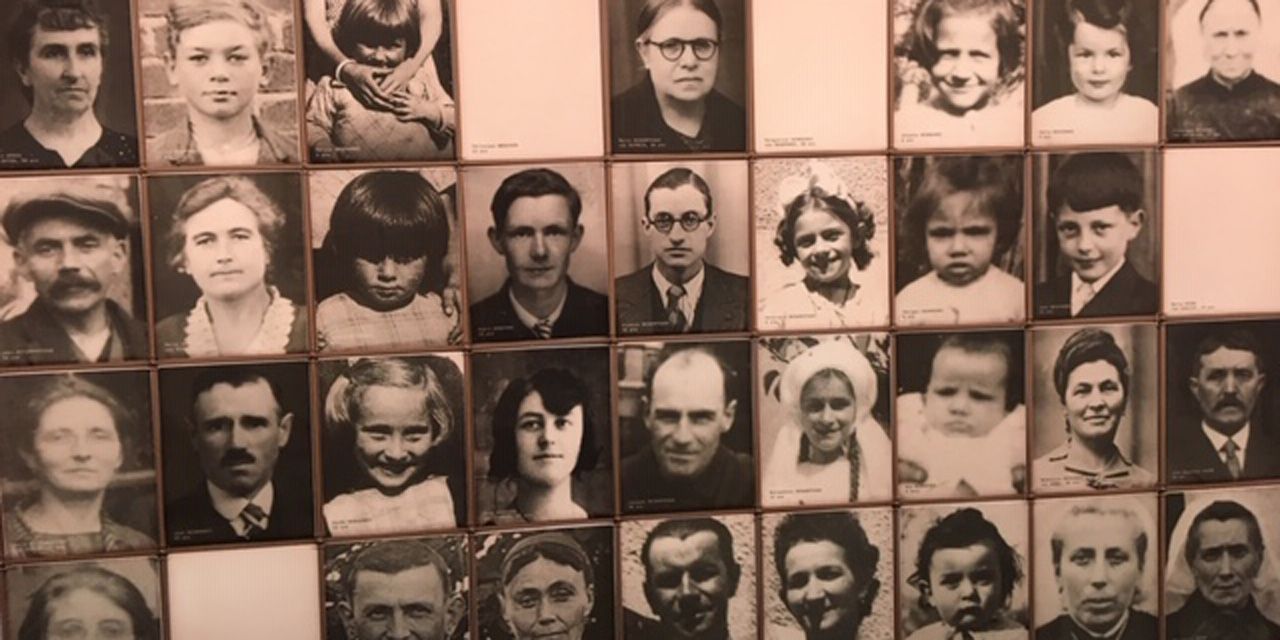
Among those masssacred at Oradour-sur-Glane
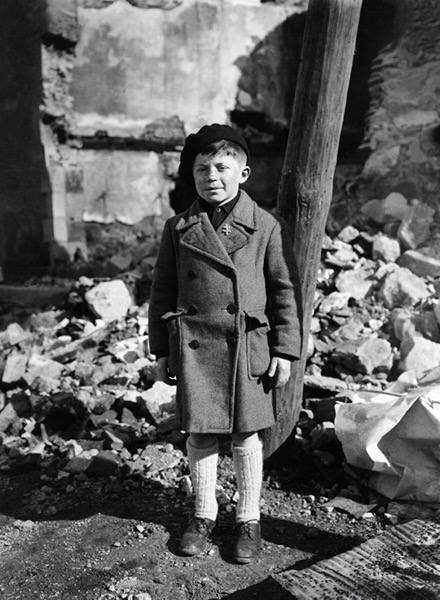
After almost the entiire population of 642 civilans were killed, only six are thought to have siurvived, the SS looted their homes and began biurning the remainder of the village and one survivor described Diekmann, who was later killed in action in Normandy, as being blood thirsty.
Although there is a discrepancy in the following figures because six are said to have survived which would mean the village had a population of 648, according to some accounts, in the church 245 women and 207 childfren were killed and 190 men were burnt to death in the barn.
Photograph of Roger Godfrin taken in 1945 who was the only child to survive the killings at Oradour-sur-Glane


 Alan Malcher