Two brothers, Lieutenant’s Philippe Rousseau (left) and Joseph. Photograph taken at a transit camp near Down Ampney, England on 13 February 1944 and both served with the 1st Canadian Parachute Battalion.
Philippe was killed in action on 7 June 1944 in France and Joseph was killed on 20 September 1944 also in France. Both are buried next to each other at the Commonwealth War Grave Cemetery at Ranville, Calvados France. (Colour by Piece of Cake)
After Germany occupied Poland on 1 September 1939 underground movements began their protracted war of resistance against the occupying forces and their administration. Resistance was often symbolised by culturally coded signs and symbols in the form of graffiti, shrines and other public displays like Kotwica (anchor) which carried ethnic and religious meaning while other symbols like the image of a turtle had the practical purpose of organising work go slows and resistance also promoted Polish culture and nationalism against the occupying forces of the Third Reich.
Resistance was also symbolised by the creation of small shrines where Nazi executions and other atrocities had taken place.
The White Eagle Resistance movement, a symbol of the Polish nation, had a large following and one of their early acts of aggressive resistance was the attack on a German police station in German occupied Bochnia, a town on the river Raba in southern Poland. Two of the members who took part in the attack, Jaroslav Zrzyszowskiand Fryderyk Piatkowski were arrested by German forces and publicly hanged from lampposts.
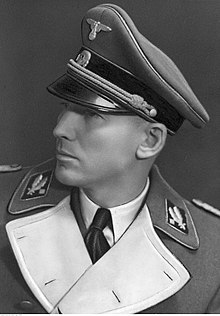
Otto Wachter SS
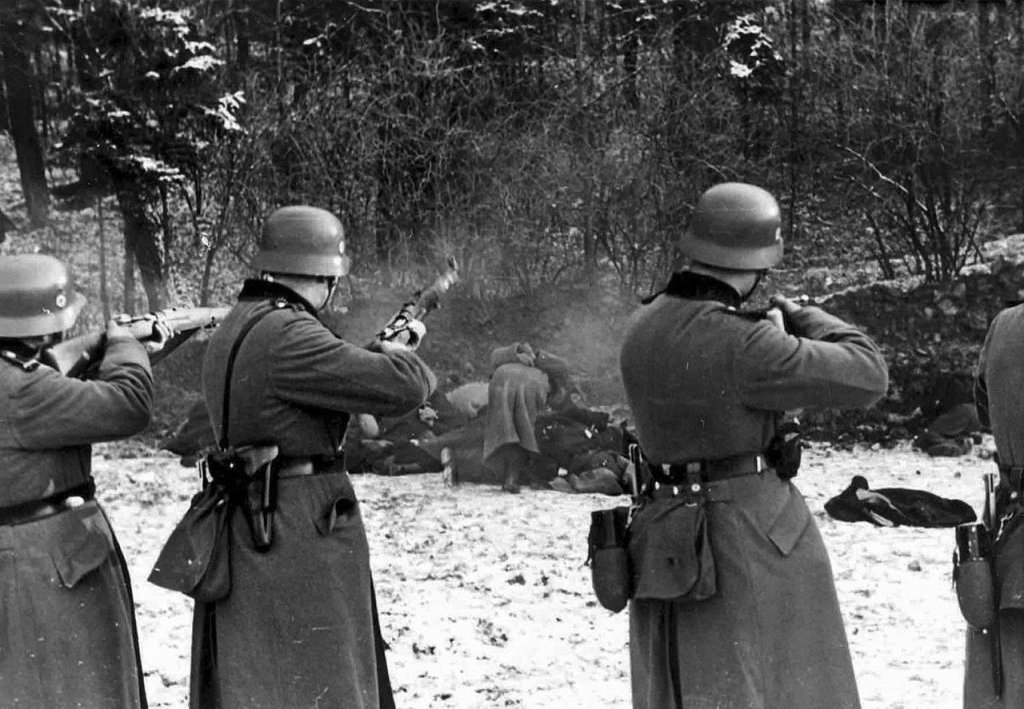
Four days later a German reprisal for the attack, said to have been managed by Major Albrecht and supervised by Governor Otto Wachter, resulted in 50 men thought to have no connections with the resistance being picked at random and forced to walk along Casimir Street to Uzbornia Hill whilst Jews were forced to dig a ditch to be used as a mass grave.
After reaching the site of the execution the men were shot by a twelve-man German firing squad after which each man was shot again through the head by a German officer to ensure they were dead. Kazyzhowski and Piatkowski were then cut down from the lampposts where their bodies had been on public display as a deterrent for four days and thrown into the mass grave before Jews were forced to bury the dead.
After the war Otto Wachter escaped from the allies with the assistance of pro-Nazi, Bishop Alois Hudal and died in 1949 from a kidney related illness.
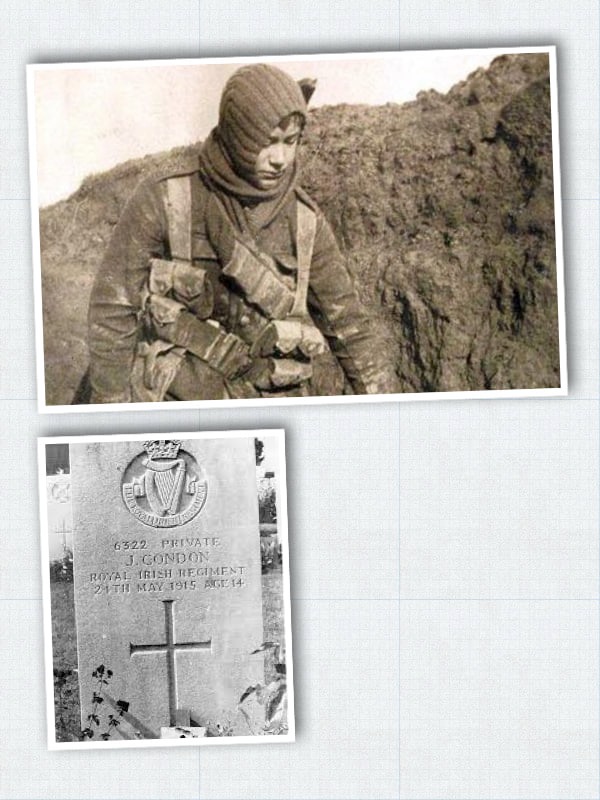
6322 Private John Condon of the 2nd Battalion Royal Irish Regiment was killed in action at the age of 14 on 24 May 1915 and is believed to be the youngest battle casualty of the Great War. He is buried at the British war grave at Poelcapelle, Belgium
Although I normally research military history, I found the following interesting.
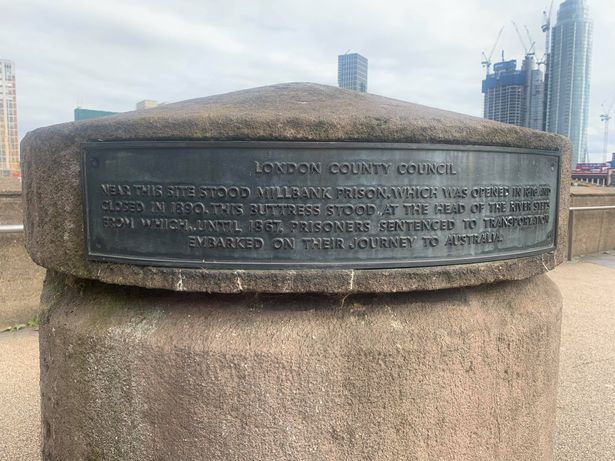
This bollard will be found by the River Thames on the north side of Vauxhall Bridge in Millbank which was close to the notorious Millbank Prison (1816-1890). From 1788 to 1868 this bollard was near the steps where convicts boarded transport ships to Australia after being found guilty of mainly petty crimes which included Stealing furnishing from a lodging, stealing an item worth over one shilling (a week’s pay for a worker); buying and selling stolen goods, but one of the strangest crimes which could lead to deportation was impersonating an Egyptian!
From 1788 to 1868 around 162,000 consisting of mainly petty criminals were transported to Australia.
Two Minutes’ Silence by Charles Spencelayh 1928. The clock marks the eleventh hour as the elderly gentleman prays for the son lost in the war, whose portrait hangs above the clock and a jar of garden flowers that have been arranged in his memory. Spencelayh was staunchly patriotic and deeply affected by the war. (Charles Spencelayh 1865-1958)
The district of Ehrenfeld, Cologne in Germany was a sanctuary for those escaping persecution from the German authorities including escaped prisoners, forced labourers and Jews. After escaping from a concentration camp in July 1943, 23-year- old Hans Steinbrück went to Ehrenfeld and was taken in by a woman and they began stockpiling weapons and food in the cellars of bombed out houses and kept in contact with escapers. Cellars were also used to shelter Jews and others forced to go into hiding. Steinbrück became known as ‘Black Hans’ and his resistance group was known as the Steinbruck Group also referred to as the Ehrenfeld Group or Ehrenfeld Pirates.
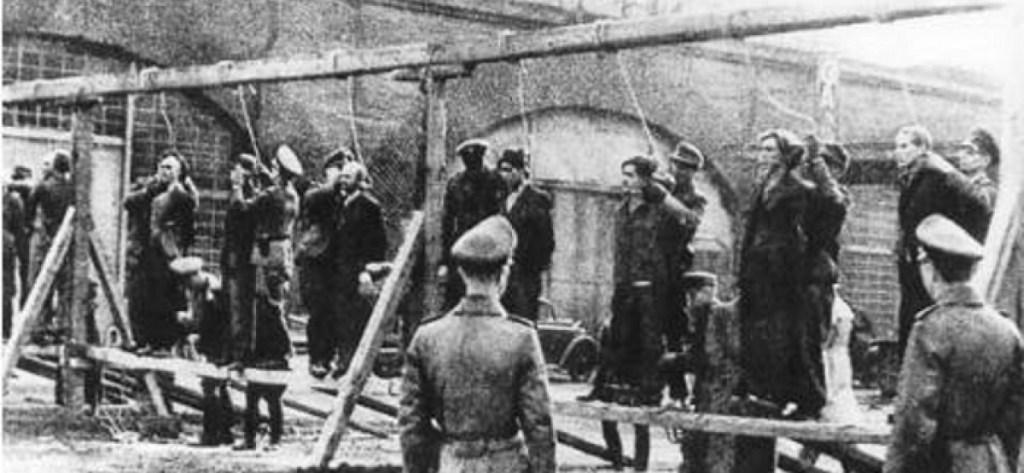
On 29 September 1944 an informer gave an army patrol the address of their safehouse and arrests followed, and Hans Steinbrück was later captured and interrogated by the Gestapo. By 15 October the Gestapo made 63 arrests, including 19 teenagers and on 10 November 1944 thirteen members of the group including Hans Steinbruck, were publicly hanged near Ehrenfeld railway station where there is now a memorial plaque remembering Steinbruck and those executed. As can be seen by the photograph many of the resisters were young.
Belgium fighter pilot Eugene Seghers RAF (VR). His memorial plaque in Walden Uckfield, East Sussex states: “Flight Lieutenant Seghers took off in his Spitfire from RAF Deanland to intercept V1’s (Anti-driver patrol) South of Uckfield. He failed to destroy a Doodlebug after intense cannon fire, its engine cut out, meaning that its terrible descent towards the town was imminent. Flight Lieutenant Seghers courageously attempted to deflect the high explosive flying bomb away from Uckfield using his aircraft’s wing. Near this location at 14:22 he made contact with the bomb causing it to detonate, destroying the Spitfire and killing the brave airman instantly. Sub Alis Gloria” (Under Wings of Glory) 26 July 1944.
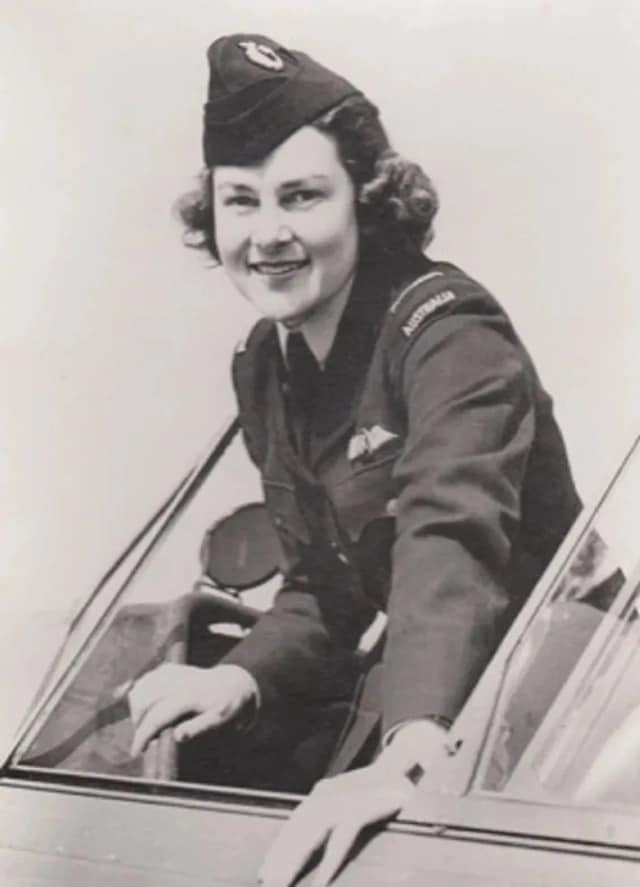
Margaret ‘Mardi’ Gething was an Australian pilot with the ATA (Air Transport Auxiliary) who ferried military aircraft from British factories to operational RAF airfields throughout the United Kingdom. From 1941 to 1944 she ferried Spitfires, Hurricanes, Tempest, Typhoons, Mustangs, Wellington and Blenheim bombers. She flew 42 different types of aircraft, delivered over 600 aircraft to RAF operational airfields and often flew three different types of aircraft in a day. Margaret ‘Mardi’ Gething died in Australia in July 2005.




 Alan Malcher