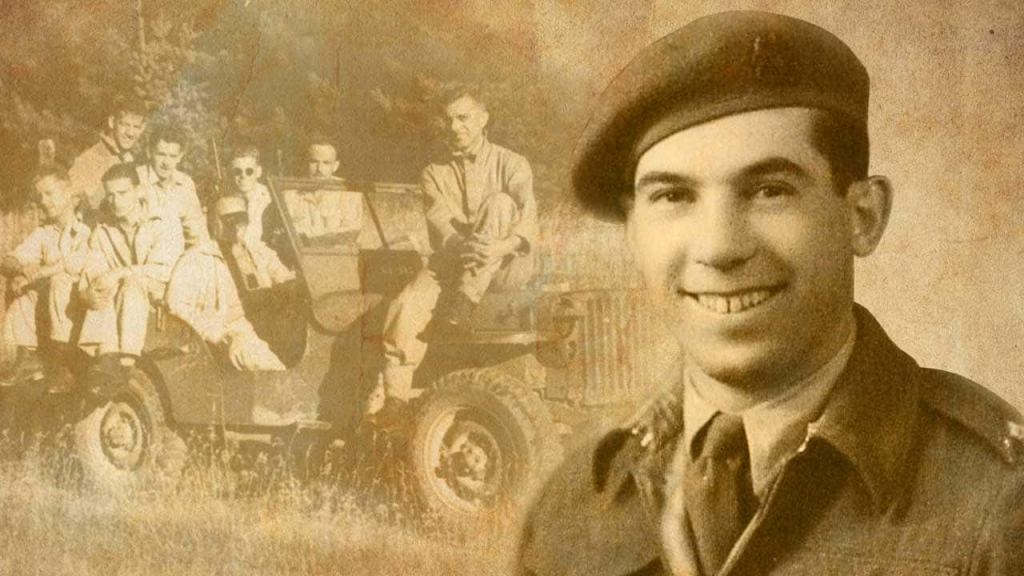
Jack Agazarian: SOE wireless operator

Jack Agazarian

The capture and execution of Jack Agazarian is complex, surrounded by conspiracy theories; is beyond the scope of this brief essay and is covered in great detail in my forthcoming book.

Jack Agazarian was the second of six children of an Armenian father and French mother and was a British citizen when he joined SOE on 30 May 1942. He arrived in France by parachute on the night of 29 December 1942 and worked as the wireless operator for the Physician circuit operating in Paris. Physician is sometimes wrongly called Prosper: Prosper was the code name of its circuit leader Francis Suttill and to avoid confusion the circuit is sometimes referred to as Physician/Prosper.

During the six months Agazarian was in France he maintained contact with London and arranged weapons and sabotage stores to be dropped by parachute; received orders and arrange the arrival of other agents by parachute and air landings by Lysander aircraft.

Lysander pilots needed a specially trained agent on the ground called an air movements officer who ensured the field was suitable for the technical specification of the aircraft and commanded members of the resistance responsible for laying out signal lamps in a recognised pattern indicating wind direction and where the aircraft needed to land, and the local air movement officer was an agent named Henri Déricourt.

It is known Jack Agazarian and other agents suspected Déricourt of being a double or even a triple agent working for the Gestapo and Abwehr and after Agazarian returned to London he reported his suspicions.
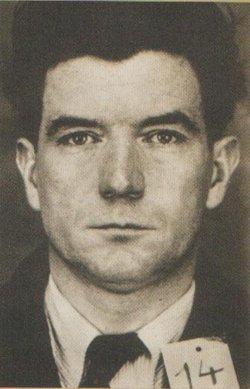
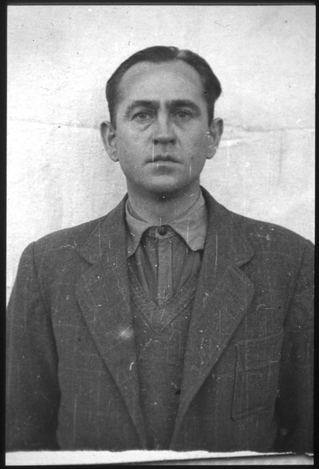
Henri Déricourt. Photograph thought to have been taken during his trial.

Agazarian was on leave when he was asked if he would volunteer to return to France with Nicholas Boddington to investigate his claims and it later transpired Boddington was a pre-war friend of Déricourt and recommended Déricourt to SOE. Agazarian arrived in France on the night of 22 July 1943 and after meeting Boddington there is no explanation why Agazarian volunteered to visit Déricourt’s safe house after saying it was dangerous and after arriving was arrested by the SD.

It is known Jack Agazarian spent time at the SD Paris headquarters at Avenue Foch and Fresnes Prison before being deported to Flossenburg Concentration camp in Bavaria, Germany where he was executed.  After the war Déricourt was tried in a French court for treason but was not convicted after Boddington gave evidence for the defence, and after an investigation by MI5 Boddington was cleared of any wrongdoing.

Henri Déricourt returned to his flying career and is thought to have been transporting illegal opium throughout Asia. On 21 November 1962 Déricourt took off from Vientiane, Laos with a load of gold and four passengers and after the aircraft crashed his body was never recovered. In 1986 Colonel Morris Buckmaster, the former commanding officer of SOE French Section, was asked whether Henri Déricourt was a German agent and he replied “Nobody knows. He’s dead and the truth died with him.”  

Alan Malcher.
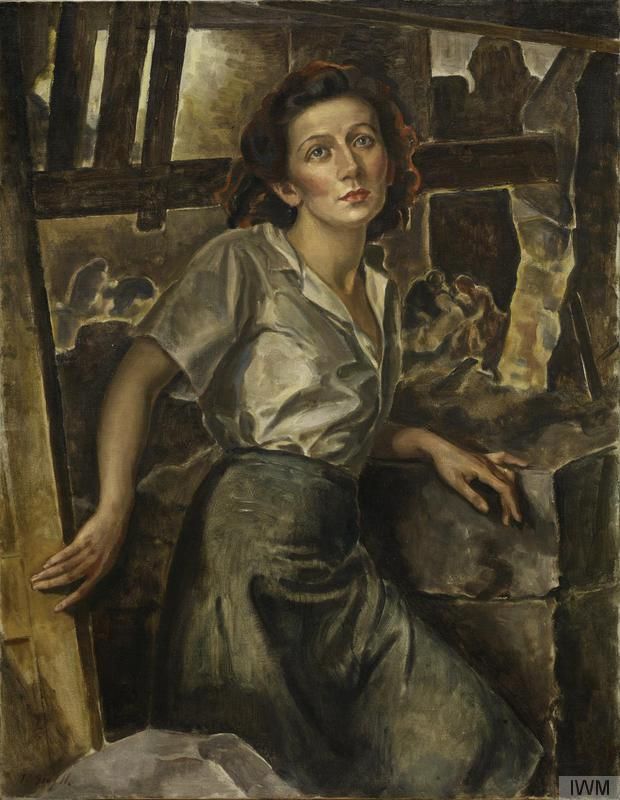
British Homefront during WW2: Marion Patterson GM (1911-1993)

Portrait at the IWM
On 7 August 1942 whilst serving as a Scottish fire warden she was part of a team extinguishing a large fire at a burning building after an air raid. She was inside the building when she heard cries for help coming from under a collapsed wall and found a sailor seriously injured. Whilst surrounded by smoke an flames she called for a rope to be lowered and after tying it around the sailors waist he was hoisted to safety. Within less than a minute after Patterson left the building the walls collapsed.
On 12 February 1943 Marion Patterson was awarded the GM by King George IV and the king also commissioned this portrait of her which was displayed at the National Gallery. (IWM) 

Alan Malcher.

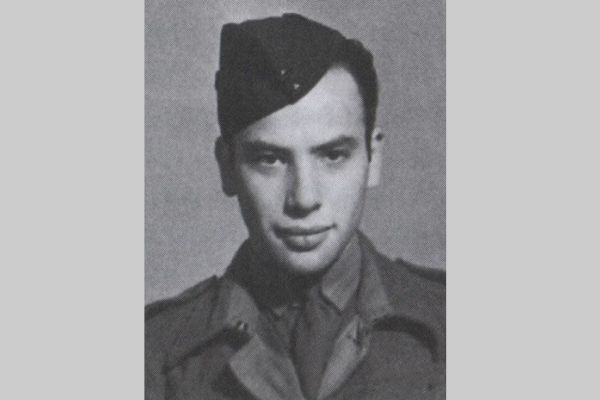
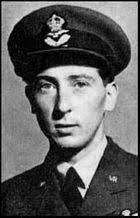
Gabriel Adler: Wireless Operator SOE Italian Section

Gabriel Adler

Adler was born in Hungary on 15 September 1919 and was recruited by SOE on 21 September 1942. After infiltrating the Cagliari area of Sardinia, Italy by submarine he was captured soon after reaching the shore. The Italian Military Intelligence Service (Survizio per le Informazioni e la Sicurezza) attempted to playback his wireless to London but the incorrect codes were sent, and London was aware it was an attempted wireless deception.

In May 1943 Adler was transferred to the Regina Coeli Prison in Rome that was taken over by the German SD (Sicherheitsdienst) following the Italian surrender. After being interrogated by the SD he gave away no important information and convinced his interrogators he was a British officer named John Armstrong.  After the war it was discovered that a ‘John Armstrong’ was in a prison at Lake Bracciano approximately 35 miles from Rome and after the liberation of Rome by Allied forces in June 1944 an investigation attempted to find out what happened to Gabriel Adler aka John Armstrong.

After extensive enquiries it was discovered that on 3 June 1944 Adler was one of 80 prisoners selected by the SD to be transferred to a prison in northern Italy ahead of the Allied advance.  The group of prisoners had been assembled in the courtyard at Regina Prison with their hands tied behind their backs. They were put into the backs of lorries and told they were being taken to the SD headquarters at the Via Tasso in Rome, now the home of the Museum of Liberation, and then onto Florence. At 0:30 hrs on 4 June a second group of prisoners were assembled in a similar manner as the first group and put into the back of lorries.

It was later claimed a few of the prisoners believed they were going to be killed and after leaving the compound attempted to escape and though shots were fired a few managed to get away. Another report states the first batch of prisoners also attempted to escape after their convoy of lorries were attacked by Allied aircraft but there was no mention of Adler. According to a priest at the Santo Spirito Hospital in Rome a large number of bodies arrived, and one was listed as an unknown English Soldier, but Investigators concluded Adler was not among the bodies because he was known to be wearing a battle dress over which was a pair of Skiing trousers and a wind jacket and none of the bodies were wearing such clothing.

When the Allies reached Rome the Regina Coeli Prison was empty and a witness said even after the last German lorry was leaving the remaining prisoners were being released. There is a plethora of confusing and contradicting information and the investigating team concluded Adler was most probably dead and was eventually listed presumed dead with no known grave.

Alan Malcher.

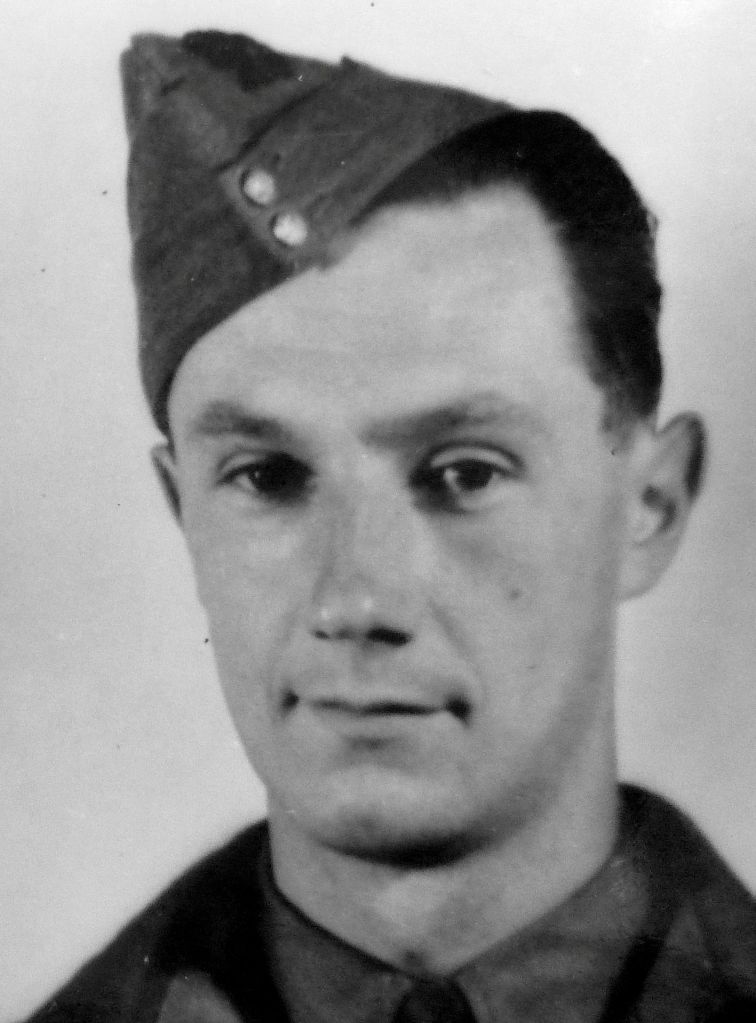
SOE Circuit Organiser Alfred Wilkinson

Alfred Wilkinson. Circuit organiser serving with the French Section SOE

Alfred Wilkinson had duel nationality British/French and was born in Paris and left his wife and young child in France to join the British Army.

Wilkinson parachuted into France on 5 April 1944 to organise the Historian circuit in the Orléans area where his wife and young child were still living, and SOE documents described it as “an area where German repressive measures had effectively checked all previous attempts to develop a resistance network. After receiving arms and other war materials by parachute Wilkinson and his Historian circuit prepared for large scale sabotage for D-day and by 6 June (D-day) the railway lines and telecommunication targets his circuit had been ordered to sabotage had been destroyed and added to the major disruption of the German military caused by other circuits.

It is known Wilkinson was captured towards the end of June at Olivet a commune in the Loiret department in north-central France and for the first fortnight was kept at the Eugéne Prison in Orléans. He was then taken to Frésnes Prison outside Paris where he was described by other SOE prisoners as looking well and Wilkinson was among a large batch of SOE agents and resistance fighters taken from Frésnes to Buchenwald concentration camp to be used as slave labour.

On 24 August Allied aircraft bombed the Gustloff armament factory outside the camp where many prisoners were forced to work. Several bombs hit the SS barracks killing 8 and injuring 300 SS soldiers and many prisoners. It was later said that in retaliation for the air raid the camp commandant Obersturmbannfuhrer Herman Pister ordered the execution of all British and French ‘terrorists.’

Seven prisoners were executed on 14 September and on 5 October more prisoners including Alfred Wilkinson were executed and according to a post-war investigation before being hung the men stood rigidly to attention whilst shouting ‘long live France. Long live England.’

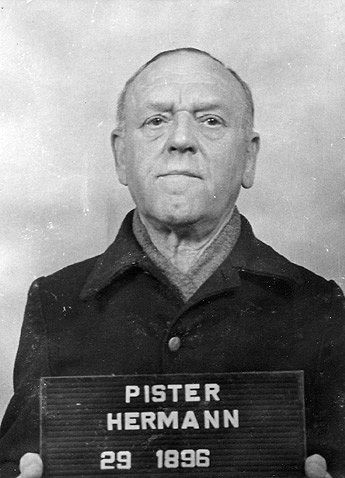
Notorious Hermann Pister. Image taken after being arrested by American forces.

After the war Pister was convicted of war crimes and sentenced to death but died of a heart attack before being hung.

Yolande Beekman (nee Unternahrer) SOE Wireless Operator: French Section

Yolande Beekman

Yolande Unternahrer was born in Paris to a Swiss family in 1911 and moved to London as a child.

After the declaration of war in 1939 she enlisted into the Women’s Auxiliary Air Force (WAFFs) where she trained as a wireless operator. Due to her language skills, she spoke fluent English, French, German and Italian, Yolande came to the attention of the Special Operations Executive and whilst attending the wireless and security school to become a wireless trained agent that required skills not found in other branches of the military she met a trainee wireless operator named Jaap Beekman who was serving with the Dutch Section of SOE. Shortly after they married, on the night of 17/18 September 1943 Yolande Beekman parachuted into France to join the Musician circuit in Saint-Quentin in the department of Aisne as their wireless operator.  

It is known Yolande Beekman was in regular contact with London and arranged the delivery of over 20 parachute drops of weapons, ammunition, and explosives before breaking wireless security procedures: it was later said Beekman transmitted from the same location, on the same frequency and on the same three days of the week and was eventually located by German direction finders. Beekman along with her circuit organiser Gustave Biéler were arrested at the Café Moulin, Saint-Quentin on 13 January 1944.

At Gestapo Headquarters in Saint-Quentin both were tortured but refused to provide useful information. Beekman was then taken to Gestapo Headquarters at Avenue Foch in Paris and was later sent to Frésnes Prison near Paris and shared a cell with a nurse called Hedwig Muller who had been arrested by the Gestapo and after the war said Beekman seldom left her cell because her legs were weak and her leg injuries are thought to have been caused through torture.

At Frésnes there were three other SOE agents: Madeleine Damerment, a courier with Bricklayer circuit; Elaine Plewman who worked as a courier with Monk circuit and Noor Inayat Khan a wireless operator assigned to the ill-fated Prosper/Physician circuit.

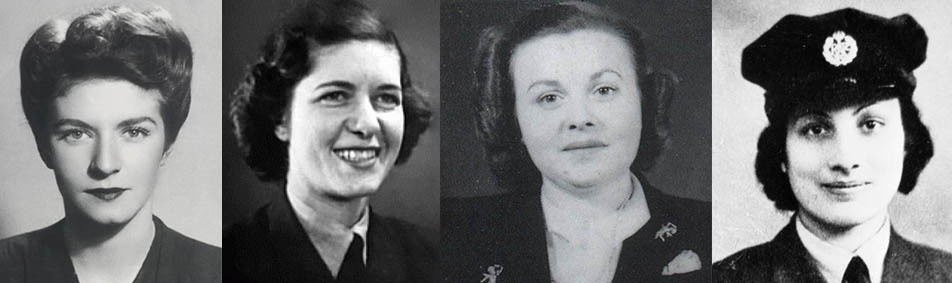
Elaine Plewman, Yolande Beekman, Madeleine Damerment, Noor Inayat Khan

At 01:30 hrs on the morning of 10 September 1944 the women were handcuffed and taken to a railway station and eventually arrived at Dachau Concentration Camp. On 13 September Obersturmbannfuhrer Fredrich Wilhelm Ruppert executed the three women and after the war a member of the Gestapo named Christian Ott gave the following statement to American investigators:

“The four prisoners had come from the barrack in the camp where they had spent the night, into the yard where the shooting was to be done… The death sentence was announced to them…. The German speaking English woman {Beekman} had told her companions of the death sentence. All four had grown very pale and wept… Beekman {he called her the major!} asked whether they could protest against the sentence. The Kommandant declared that no protest could be made against the sentence. The major (Beekman) had then asked to see a priest. The camp Kommandant refused on the grounds that there was no priest in the camp.

The four prisoners now had to kneel with their heads towards a small mound of earth and were killed by two SS, one after another shot through the back of the neck. During the shooting the two English women held hands and the two French women likewise. For three of the prisoners the first shot caused death, but the German speaking English woman (Beekman) a second shot had to be fired as she still showed signs of life after the first shot.

After the shooting of these prisoners the Lagerkommandant said to the SS men that he took a personal interest in the jewellery of the women and that this should be taken to his office.”

It was also later stated the four women had been badly beaten before their executions.

SS Officer Wilhelm Ruppert. Image taken after being arrested by American forces.

After the war SS Officer Wilhelm Ruppert who was in charge of executions at Dachau was convicted of war crimes and executed by hanging.

Jean Moulin: French Resistance

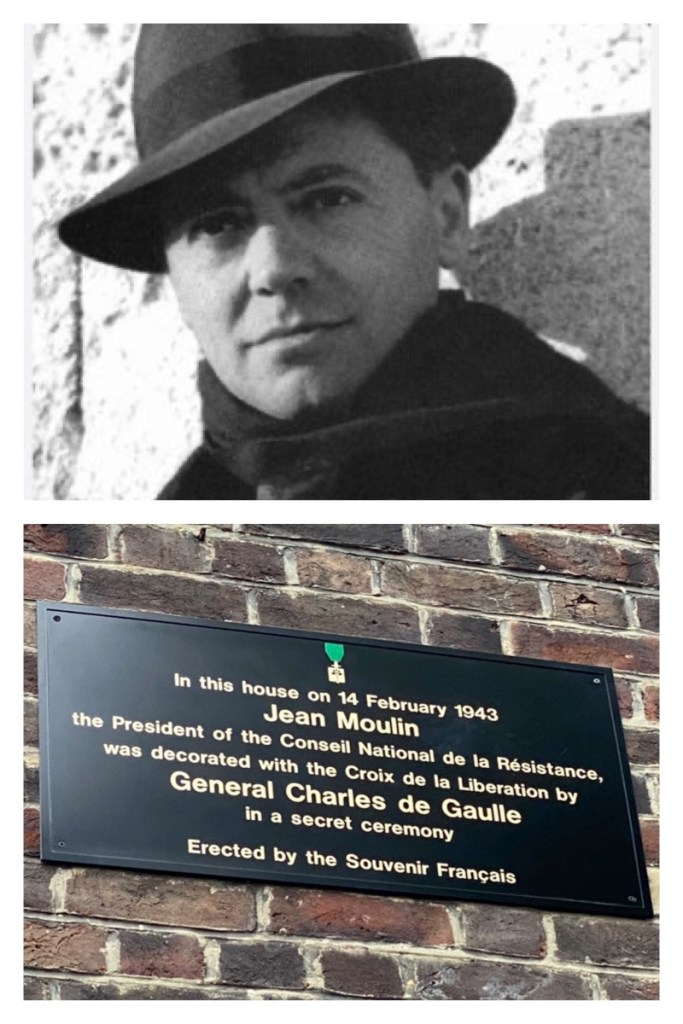
On 14 February 1943 General de Gaulle awarded Jean Moulin the Cross of Liberation during a private ceremony at De Gaulle’s home in Hampstead London.

Three months later, after returning to France by parachute, Jean Moulin was captured and tortured for three weeks by SD chief Klaus Barbie (Butcher of Lyon). Moulin attempted to commit suicide by cutting his throat but after being found collapsed in his cell was given medical treatment and survived.
As a result of the injuries suffered during torture Jean Moulin died on 8 July 1943 whilst being transported by train to Germany.

Alan Malcher

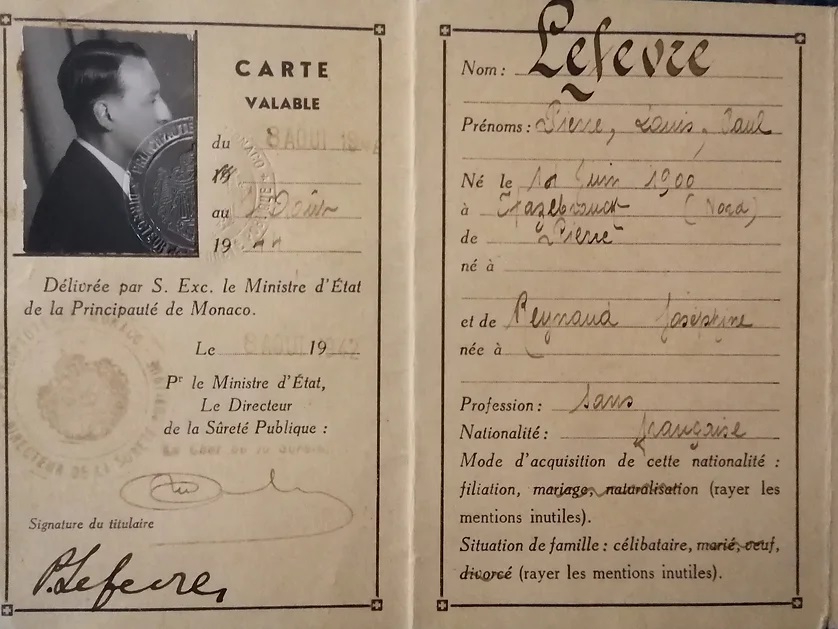
Pierre Le Chêne Political Warfare Executive (PWE) in France

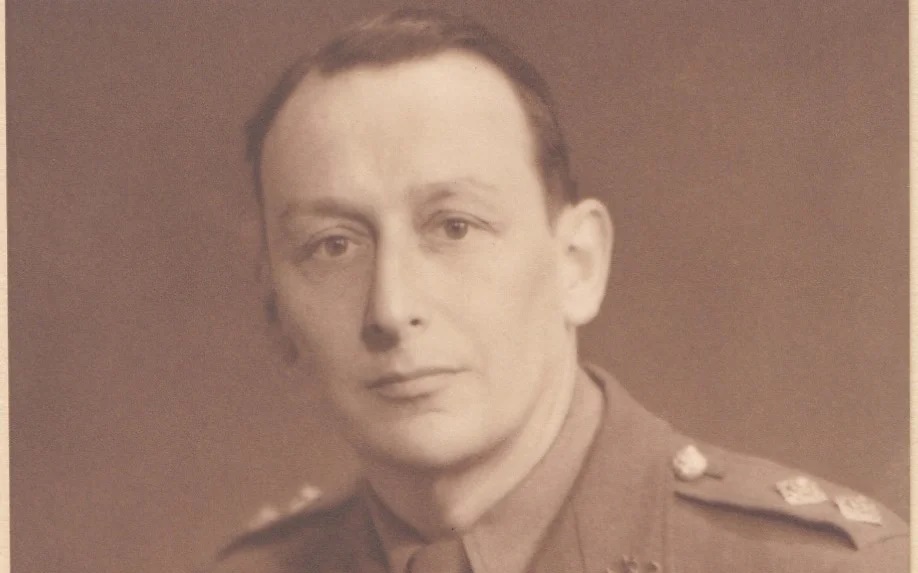
Pierre Le Chêne. PWE wireless operator

In 1941, dates vary according to sources, three PWE agents arrived in France and among them was Henri Le Chêne (aka Victor) who was later joined by Marie Thérése (aka Adele) to work as his courier and also help run their underground newspaper and his brother Pierre, who was a wireless operator, arrived by parachute near Loches to provide a wireless link to London for his brother who was running a circuit called Plane and to assist Edward Zeff (SOE) the wireless operator working for a circuit called Spruce.

For over seven months Pierre Le Chêne (aka Grégoire) was constantly on the move to avoid his transmissions being pinpointed by direction finders when sometime in November 1942 two wireless operators were arrested and after being the only wireless operator in the area, he became first on the German wanted list.

It is believed Pierre Le Chêne broke the cardinal rule of never transmitting for more than twenty-minutes, his location was found by direction finders and was captured on 0n 9 December 1942 whilst still sending messages to London.

Pierre Le Chêne was the first agent to be tortured for information by the infamous Klaus Barbie the head of the SD in Lyon who became known as the Butcher of Lyon because of his brutal reputation of personally torturing adults and children in the SD cells he called the ‘Gestapo Kitchen’. During Barbie’s trial after the war several witnesses said it was not uncommon for prisoners to be tortured for nine days and the age of these witnesses at the time of their torture were between 13 to 93.

After Pierre Le Chêne had been arrested and tortured at Hôtel Terminus in Lyon which had been taken over by the SD as their regional headquarters other agents and members of the resistance Le Chêne knew were not added to the SD wanted list and the only plausible explanation is Barbie failed to break him.

Pierre Le Chêne was later transported to Mauthausen Concentration camp in Upper Austria and by the time the camp was liberated by American troops on 6 May 1945 was suffering from typhoid, malnutrition and was close to death.

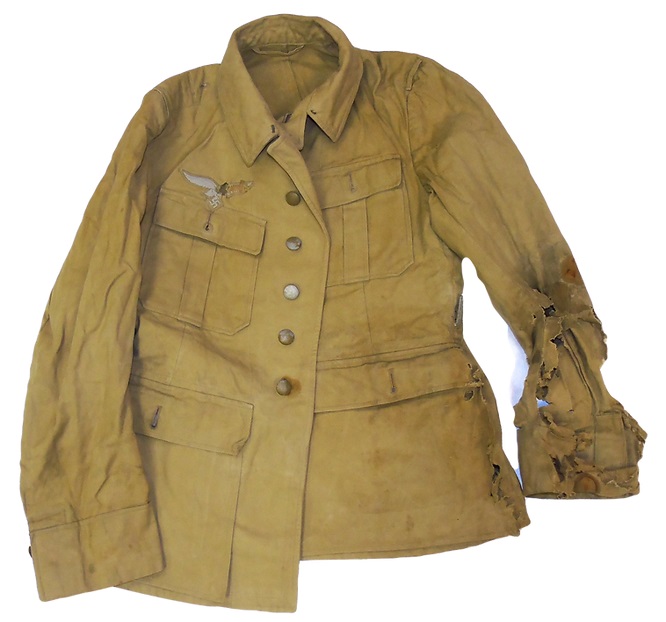
Luftwaffe tunic worn by Le Chêne.

Pierre Le Chêne was quickly dressed in whatever clothes were found which happened to be a Luftwaffe desert tunic with the bottom of the left sleeve shredded after its original owner suffered a life threatening injury and was then flown to England. After receiving extensive medical treatment Pierre Le Chêne survived.

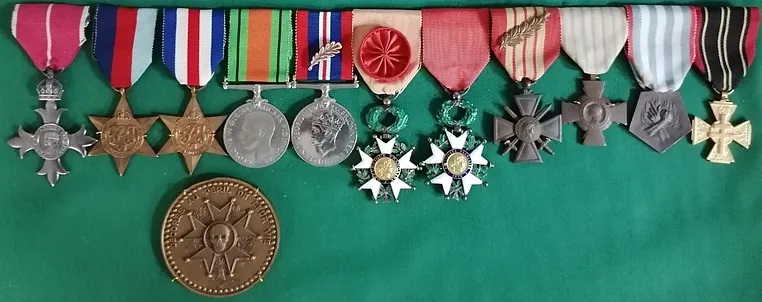
Medals awarded to Pierre Le Chêne

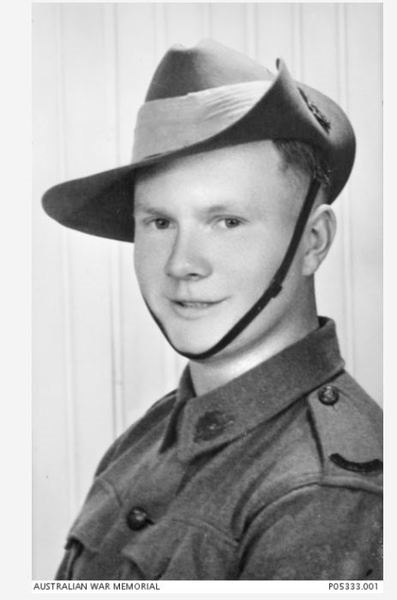
Private Ian Ray (Australian Army)

19 year old Private Ian Ray

19-year-old Ian Ray from Melbourne Australia, was serving with the 2nd/31st Infantry Battalion, Australian Army when he was wounded in the left arm during the Battle of Morotai.

After receiving medial treatment at a field hospital, on 18 September 1945 the aircraft used for his evacuation failed to arrive in Australia and a subsequent investigation failed to locate the crash site.

In 1967 the wreckage of an aircraft was found in a remote valley in Papua New Guinea (formally Dutch New Guinea or Netherlands New Guinea) but after several failed attempts the crash site was not reached until 2005.

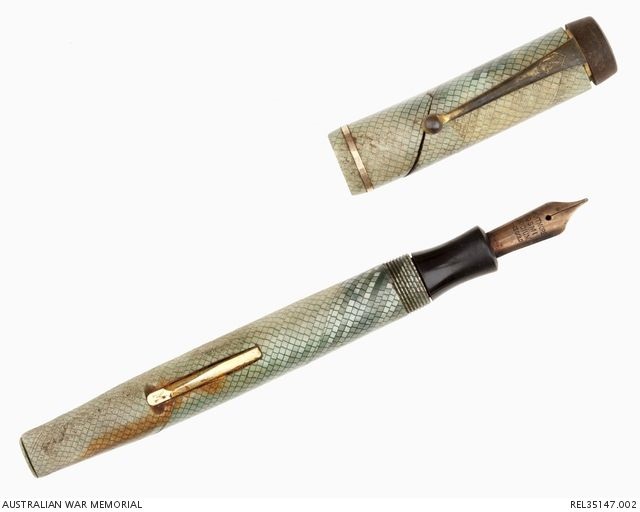
This fountain pen given to Ian Ray by his father in 1944 which he used to write letters home was found among his personal belongings.

The remains of Private Ian Ray were later buried at Port Moresby (Bomana) War Cemetery, Papua New Guinea.

(Photograph credit: Australian War Memorial)

Alan Malcher.

Alexander Vass: SOE Hungarian Section wireless operator

Alexander Vass was born in Limburg, Germany, he spoke fluent Hungarian and was a child when his family moved to Canada and became naturalised Canadians.

 In early 1943 Vass enlisted into the Royal Canadian Medical Corp and several months later he came to the attention of SOE’s Hungarian Section who were looking for agents who could speak fluent Hungarian and after passing selection and training in England he went on to pass the wireless and security course at Thames House in Oxfordshire.

Vass and three other agents boarded a converted Halifax bomber of 148 Special Duty Squadron RAF to be dropped by parachute north of Lake Balaton in western Hungary and after the aircraft failed to return it was assumed all had been killed.

Several months after the war it was discovered the Halifax had been intercepted by German night fighters and Luftwaffe documents stated the aircraft exploded after hitting the ground and all the crew were killed.  After three SOE agents were liberated from a German prisoner of war camp Alexander Vass was not among them and the three surviving agents later described what happened.

They were not aware the aircraft had been lost because the agents had been dropped before its interception. One agent named Broughay said they had been dropped at the wrong location and landed in a forest and he found himself about 30 feet up a tree and there was no way of concealing their presence. After splitting up into two groups he and Vass avoided enemy forces for over 24 hours but were eventually captured, stripped searched and interrogated. They were then taken down a hill where the other two agents were in custody and were told they would be shot. The three agents were then taken to a Secret Police Headquarters were the interrogation continued and the following morning were put into the back of a lorry and were greatly relieved after finding themselves at a German Prisoner of War Camp controlled by the Luftwaffe.

During an allied air raid sometime in December 1944 a bomb hit the camp and Alexander Vass was killed.

Alan Malcher