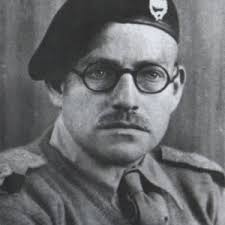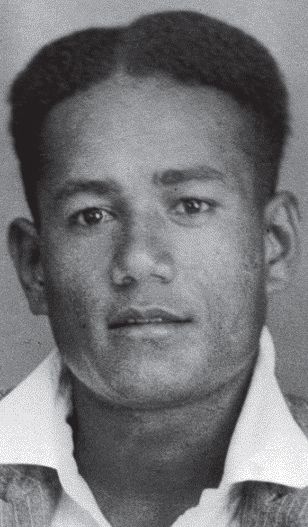
Corporal Sefanaia Sukanaivalu VC.

On 23 June 1944 in the Solomon Islands, Corporal Sukanaivalu crawled forward under fire to rescue wounded men. After dragging two men to safety, under heavy Japanese machine gun and mortar fire he returned to rescue another man, but whilst assisting the seriously injured soldier was hit by machine gun fire and fell to the ground. Knowing any attempt to rescue him and the other soldier would result in heavy casualties Sukanaivalu shouted out to his men to leave him. When it was clear they would not withdraw and intended rescuing him, to prevent further casualties Corporal Sukanaivalu deliberately raised himself from the ground to face a Japanese machine gunner and was killed. His citation for the Victoria Cross in the London Gazette dated 2 November 1944 ends with “… This brave Fiji soldier, after rescuing two wounded men with the greatest heroism and being gravely wounded himself, deliberately sacrificed his own life because he knew that it was the only way in which the remainder of his platoon could be induced to retire from a situation in which they must have been annihilated had they not withdrawn.”  His body was later recovered by Australian soldiers.

Operation Banner: A day of infamy.

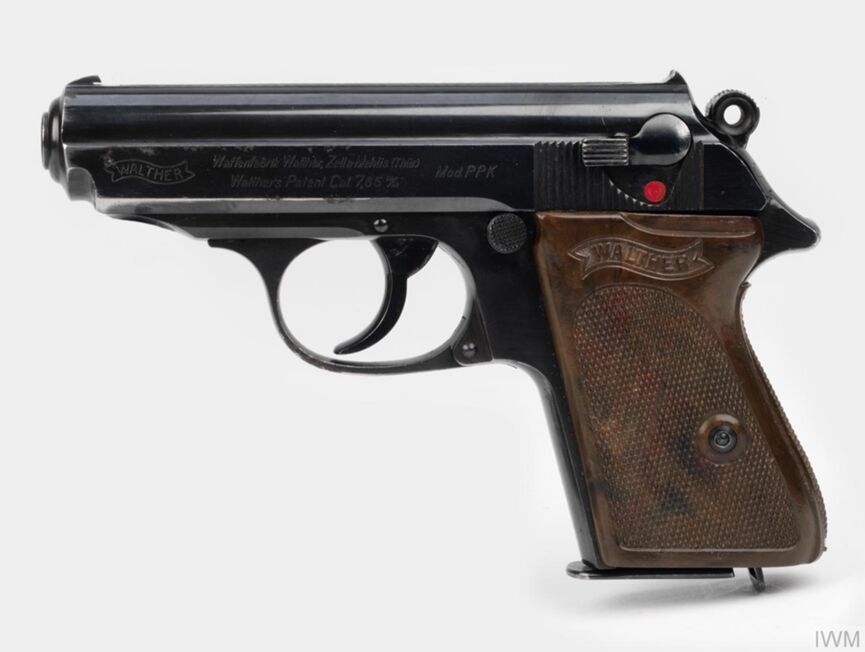
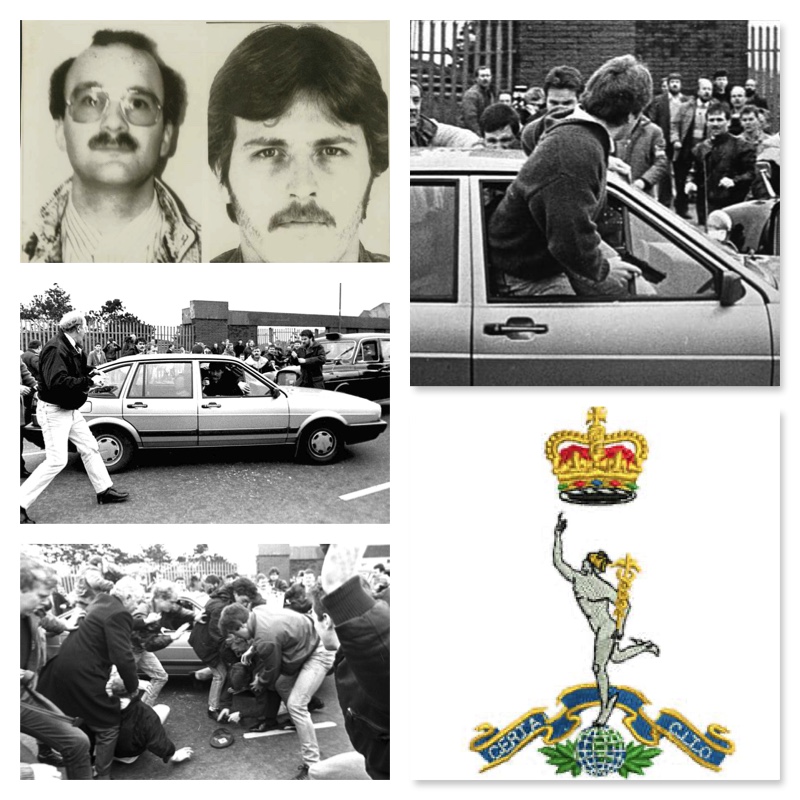
Operation Banner (Northern Ireland). On 19 March 1988 Corporal Derek Wood, aged 24, and Corporal David Howes, aged 23, both serving with the Royal Signals, were wearing civilian clothes and driving a silver Volkswagen Passat with civilian number plates after completing repairs of signal equipment at a military base and were returning to their barracks. After taking a wrong turning they came across a large IRA funeral procession and attempted to reverse in the opposite direction, but their escape route was quickly blocked by a taxi and a car. Their vehicle was then attacked by a crazed mob, Derek Wood fired a round from his Browning HP pistol in an attempt to scatter the mob, but both were quickly overpowered and dragged from their car. Wood and   Howes were taken to a sports ground where they were stripped and beaten before being taken to waste ground and shot.  Two men were sentenced to life imprisonment for murder but released in 1998 under the Good Friday Agreement. Certa Cito. RIP!

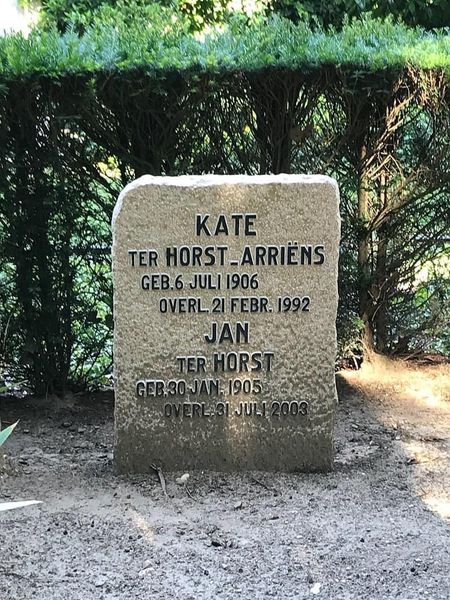
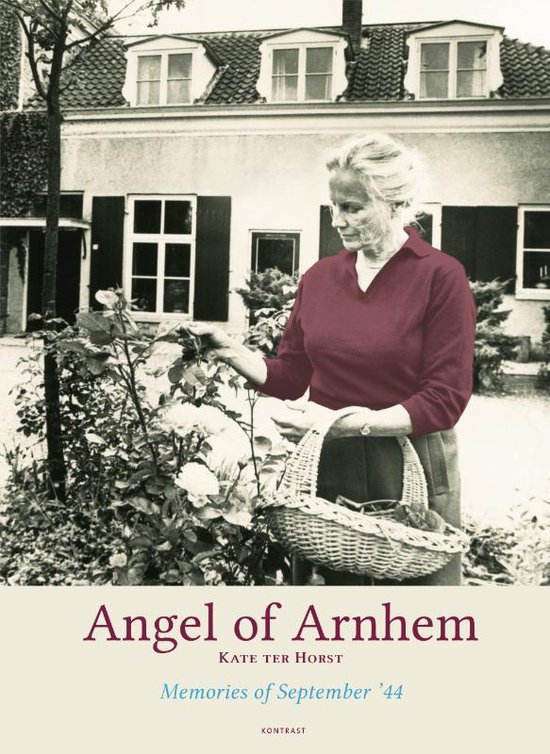
Kate Ter Horst the ‘Angel of Arnhem’.

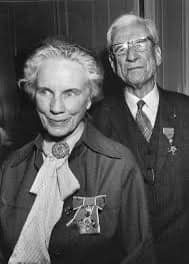
During the ill-fated Operation Market Garden (17-26 September 1944) the British 1st Airborne Division suffered heavy casualties fighting in the Dutch city of Arnhem, the town of Oossterbeek, the villages of Wolfheze and Driel. Kate Ter Horst, described as a housewife and mother, turned her house into a makeshift hospital for the wounded and dying. She personally helped 250 wounded soldiers and gave comfort to the dying by sitting with them until they died and earned the nickname ‘The Angel of Arnhem’ and was later depicted in the film ‘ A Bridge Too Far’.
In 1947, despite extensive mine clearance after the war her eldest son Peter was killed by an undetected anti-tank mine. On 21 February 1992, 98 year old Kate Ter Horst MBE died after being hit by a car near her home.

The Taxi Charity for Military Veterans.

The Taxi Charity for Military Veterans was formed in Fulham, London in 1948 and the charity is reliant on public donation, businesses and trusts. An amazing group of London taxi drivers volunteer their time and vehicles to transport veterans to events free of charge. More information will be found at the bottom of this page.

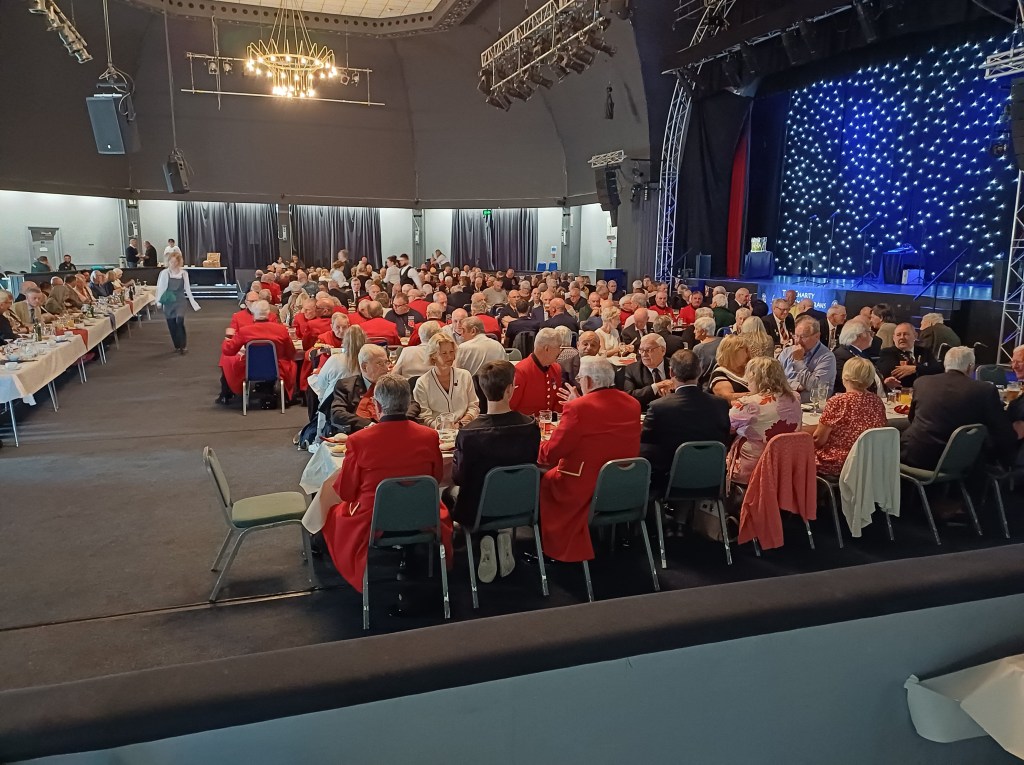
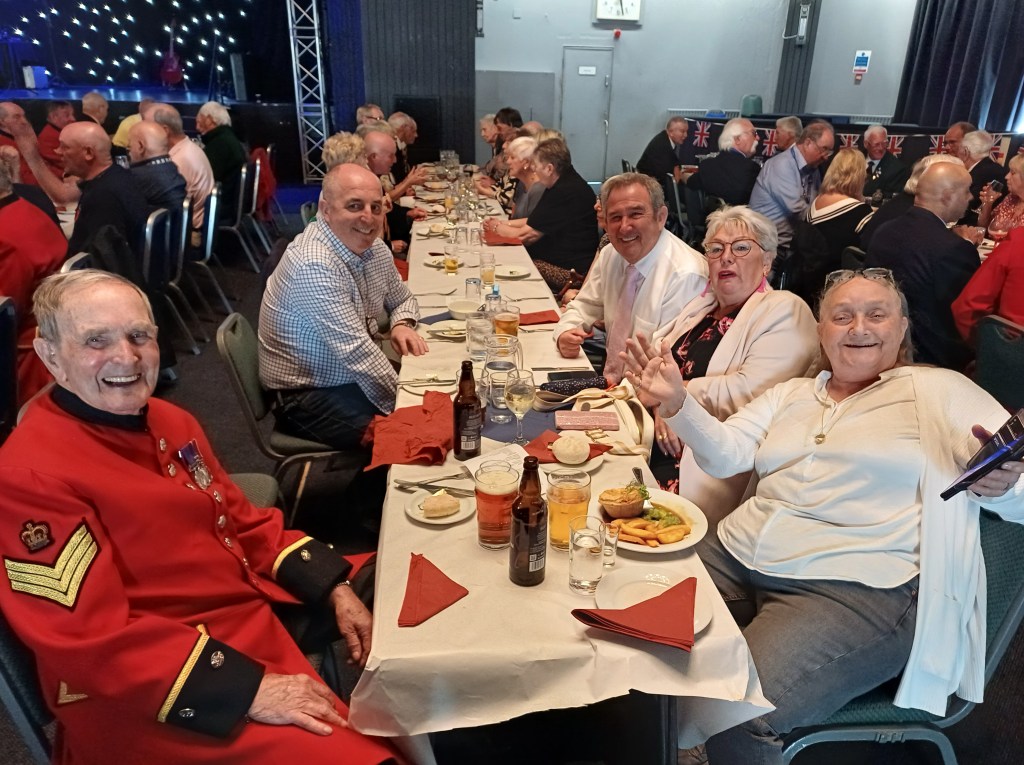
On 2 July 2024 it was a great privilege to be invited to the Taxi Charity annual fund raising dinner in Worthing, Sussex during which transport was provided by 100 London taxies. On the way to the venue in Worthing and on the way back the taxies stopped at the small village of South Holmwood near Dorking where villagers each year provide free refreshments and show their appreciation.

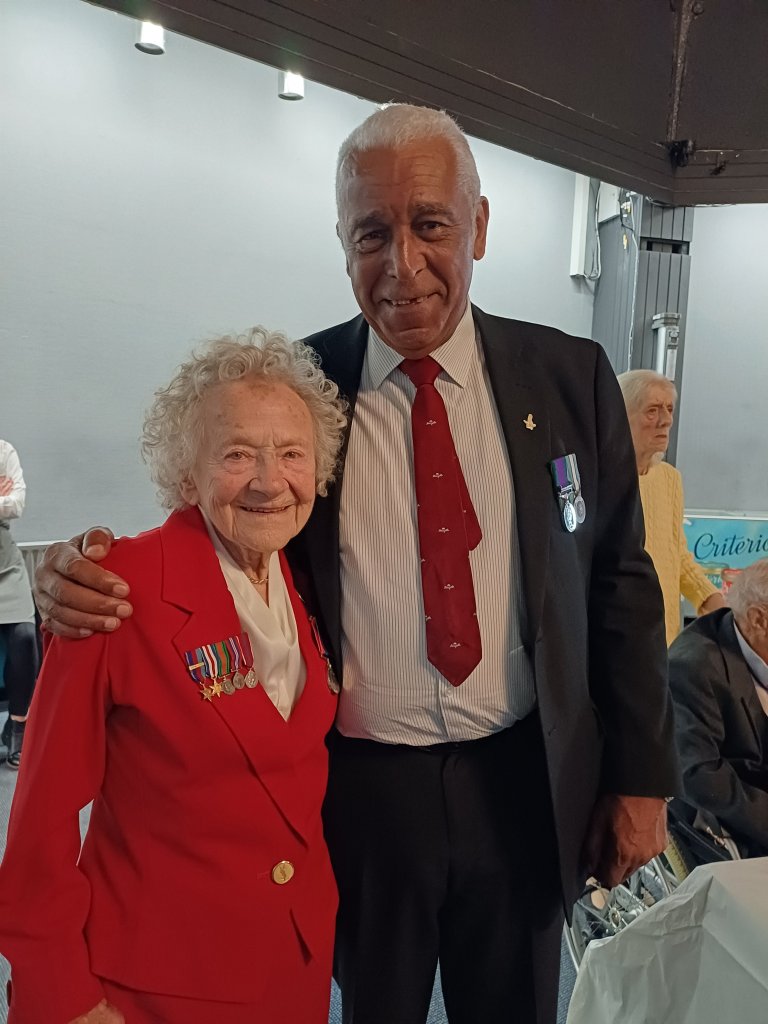
 I spoke to may remarkable men and women including 99 year old Dorothy Barron who served with the WREN’s as a signaller during WW2. 

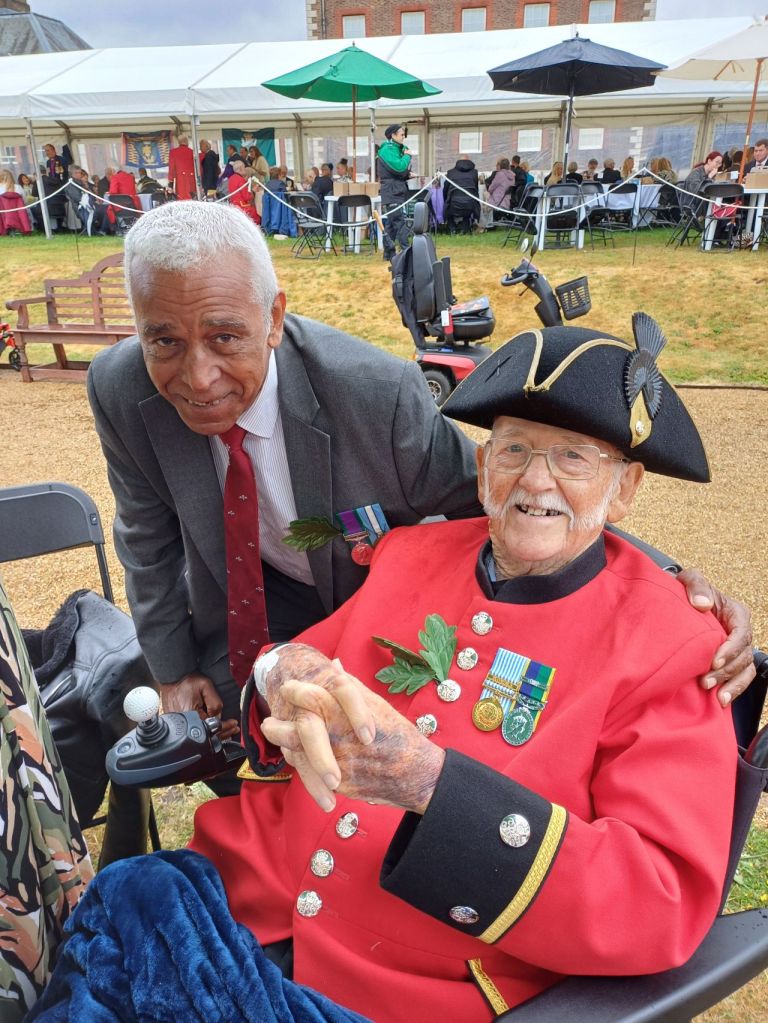
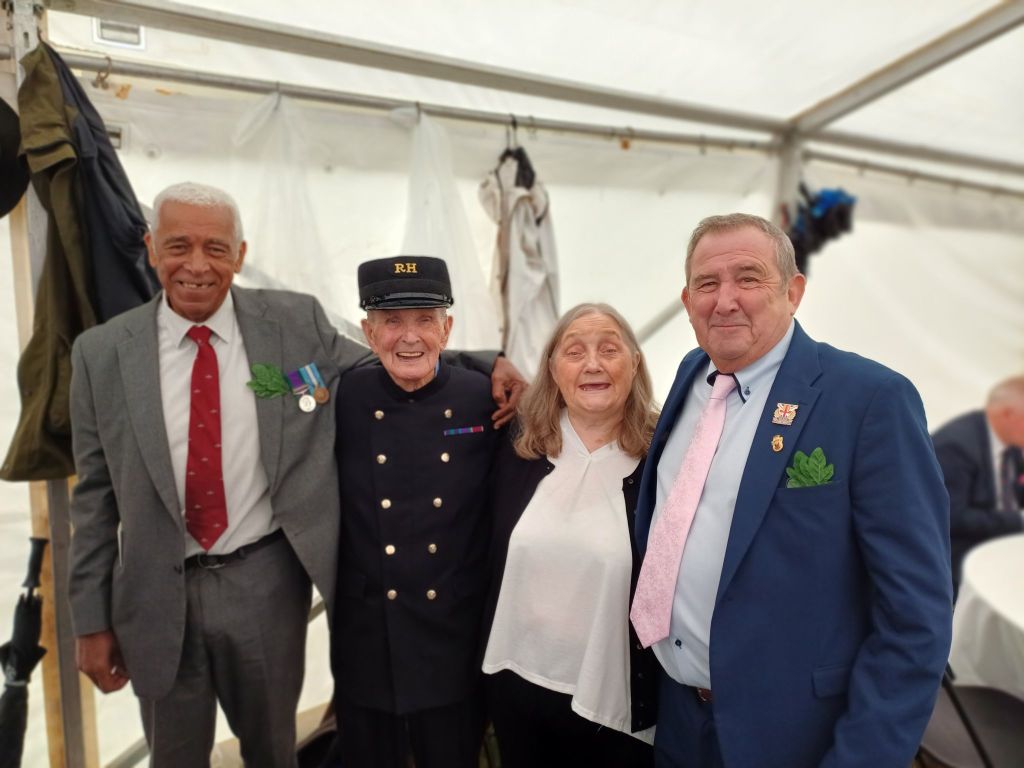
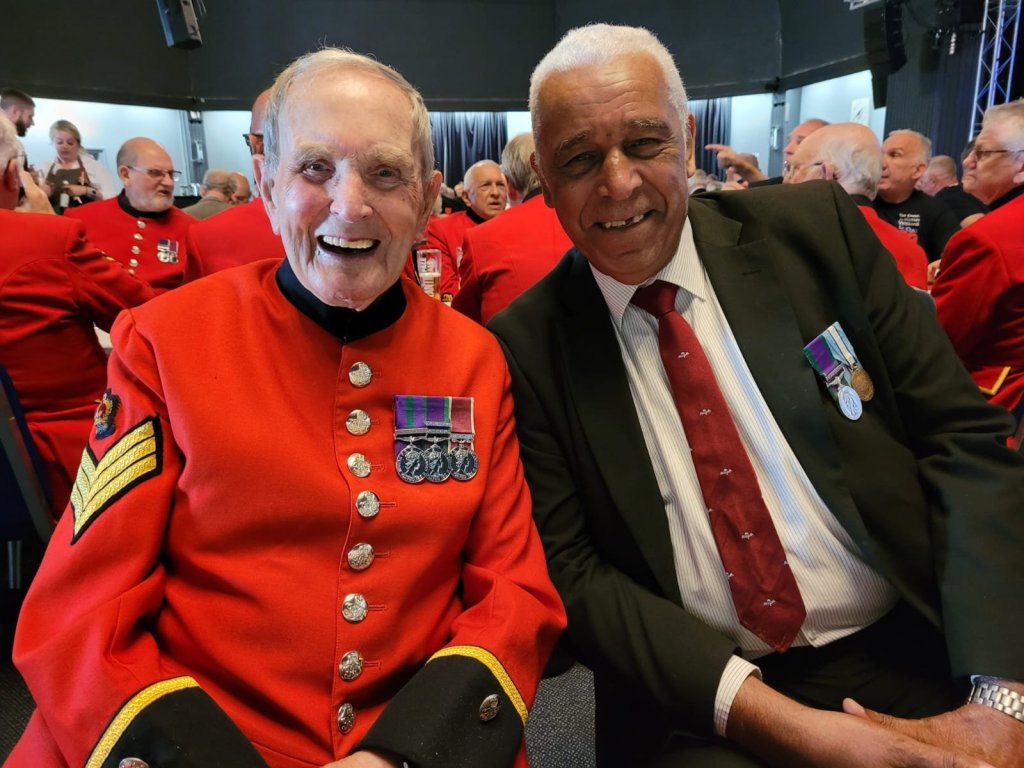
Walter from the Royal Hospital Chelsea (Chelsea Pensioner) who I spoke to over dinner and a few pints.

Taxi Charity https://www.taxicharity.org/

Rupert: the dummy parachutists of D-day.

(Image Musée Militaire Paris)

Parachute dummies were an important aspect of the Allies’ deception plan for the Normandy Landings. They were nicknamed ‘Rupert’s’ by British troops. It is sometimes suggested they were named after the cartoon character Rupert the Bear.
Approximately 500 Paratrooper dummies were dropped as decoys to divert and distract German forces, in what was codenamed Operation Titanic. This was part of a broader deception plan for D-Day, designed to give the Allied invasion force the element of surprise and the best chance of victory. (Image Musée Militaire Paris)

Operation Tonga: (6 June 1944) The capture of Bénouville Bridge Crossing the Caen Canal renamed Pegasus Bridge.

Actor Richard Todd took part in Operation Tonga on what is now known as D-Day. 60 years on in 2004, he revisited the landing site in Normandy and reflected on his experience. Richard Todd, who was born in Dublin, served with the British 6th Airborne Division and was among the first British soldiers to Land in Normandy and was the first Irishman. The following is from the BBC archives.

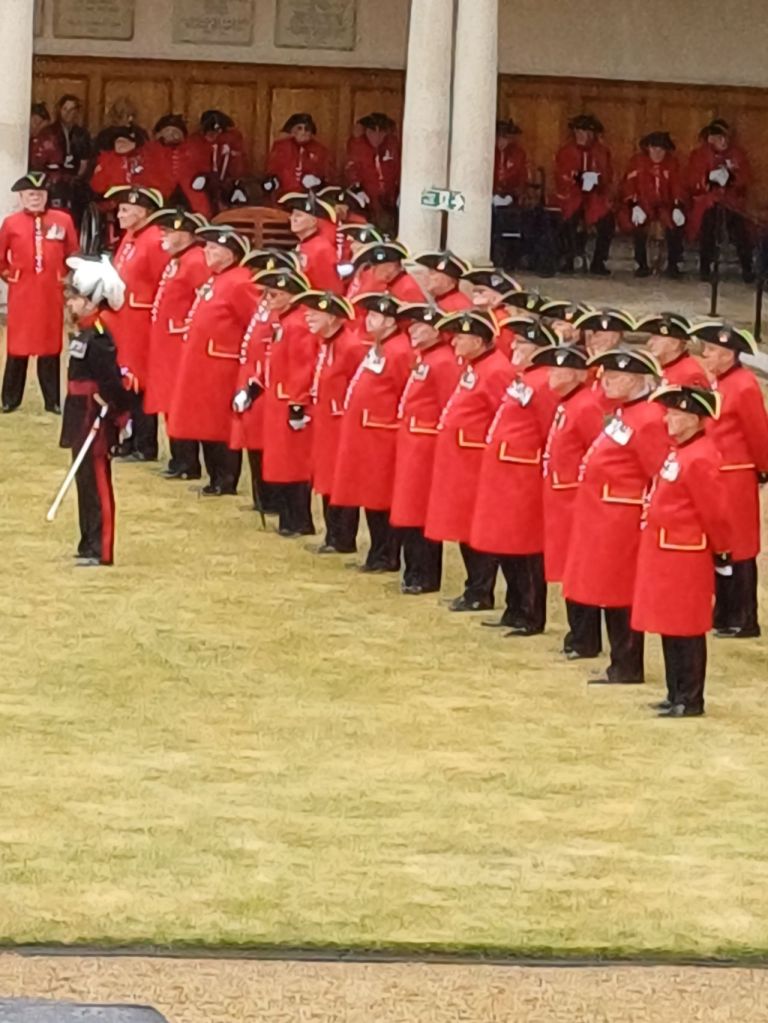
Founder’s Day the Royal Hospital Chelsea (Chelsea Pensioners)

Founder’s Day 2024.

It was a great pleasure to be invited to attend Founder’s Day at the Royal Hospital Chelsea where the reviewing officer was Her Royal Highness The Princess Royal, after being inviting by Tony Millard noted for his many years of continued charitable work supporting veterans.

Chelsea Pensioners and guests were given an oak leaf to wear symbolising the oak tree where Prince Charles, later crowned Charles II, hid after the Battle of Worcester during the English Civil War (c1642-1651) when Parliamentary troops were searching for him. After the restoration of the monarchy, in 1681 King Charles II issued a Royal Warrant to build a hospital for those ‘broken by age and war’ which later became know as the Royal Hospital Chelsea. An added bonus was briefly meeting for the first time Dr Gogna from Australia who recognise me, knew my name and thanked me for my historical articles of remembrance. After this I attended an informal celebration of D-day (Normandy Landings) at Tony and Sue Millard’s pub called the Clarence at 148 North End Road West Kensington, London where the proceeds of a raffle went to the London Taxi Charity which has been supporting veterans since 1948.

As this was a traditional London celebration I apologise for the short clip of me attempting to dance!

Tony and Sue Millard – who continue to support veterans.

Sue Millard and Me.

One of the locals.

Locals at the Clarence public house remembering D-day (Normandy Landings).

On His Majesty’s Secret Service. A film by Cécile Coolen.

Ian Reed MBE Lég d’Hon, Cécile Coolen, Alan Malcher. At Institut français du Royaume-Uni. 31 May 2024.

I was honoured to receive an invitation from Héléne Duchéne Ambassador of France to the United Kingdom via Ian Reed MBE Lég d’Hon to a special viewing of On His Majesty’s Secret Service a film about SOE in occupied Europe by Cécile Coolen.  It was also a pleasure meeting Cécile Coolen and others during the reception.

Cécile Coolen is a French film director and chief editor of over 100 films recognised at the Hollywood Film Festival, Emmy Awards, Prix Europa, New York Festival, and she specialises in archive documentaries particularly connected with wartime intelligence services.

“Cécile Coolen has a clear understanding of the subject and the ability to present the story of our collaborative intelligence activities, an issue which is still inadequately understood” (Sir John Scarlett KCMG OBE, former Chief of SIS/MI6)

“Her wealth of professional experience, combined with knowledge of the intelligence world shines through in this film, giving this story the dimension and impact it deserves.” (Alain Juillet, former Chief of DGSE – French Intelligence Service)

Leo Marks MBE: Head of SOE European Country Sections Codes and Cyphers.

Leo Marks (24 September 1920- 15 January 2021) was born to a devout Jewish family in London. His father was joint owner of Marks and Co and was an antiquarian bookseller in Charring Cross Road, London. Marks joined the army in January 1942 and was sent to Bletchley Park as a codebreaker where he was regarded a misfit. However, SOE saw him has as one of a few unique people who could see patterns and codes that most people would miss. A modern description being ‘he could see so far out of the box most people even with a powerful telescope would miss it’.

As head of SOE’s European Country Sections codes and cyphers he was based at Mitchel House Baker Street, London with a staff of over 400 and was responsible for proving wireless trained agents operating in countries under occupation with cyphers which included various identity and security checks when sending signals to London.

He also provided every agent with a poem code to transpose text into coded messages and the most famous of his poem is ‘The life that I have’ used by Violette Szabo GC who refused to reveal it to the Gestapo after her capture.

Like many films and books about SOE ‘Carve Her Name With Pride’ was promoted as the true story of Violette Szabo but was heavily dramatized and had many historical inaccuracies including the claim her poem code was written by her husband who had recently died, this was among many books and films heavily criticised by former SOE agents and staff officers and these inaccuracies continue to be duplicated by authors and film makers.