Tag: Alan Malcher
Alan Malcher Military Historian, Author and Broadcaster.
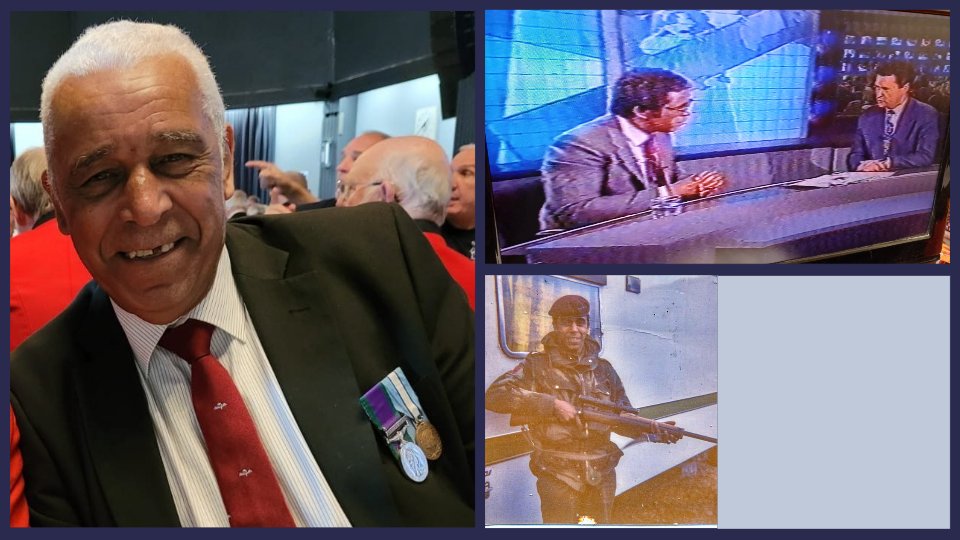
Undercover Soldiers in Nortthern Ireland during Operation Banner.
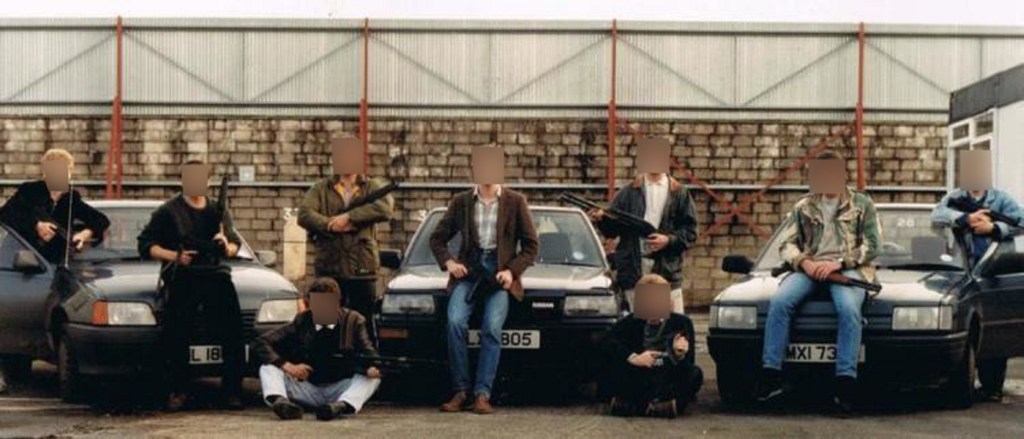
(Text and photograph from Facebook account: British & Commonwealth Forces Past, Present and Future – I have no connection with this account.)
Operation Banner (Northern Ireland) 1969- 2007
Force Research Unit operators pose for photograph.
“The Force Research Unit (FRU) was a covert military intelligence unit of the British Army’s Intelligence Corps. It was established in 1980 during the Troubles (Operation Banner) to obtain intelligence from terrorist organisations in Northern Ireland by recruiting and running agents and informants.
From 1987 to 1991 the FRU was commanded by Major {name deleted} of the Intelligence Corps and was renamed the Joint Support Group in the early 2000’s.
FRU worked alongside existing intelligence agencies including the Special Branch of the Royal Ulster Constabulary and MI5 (Security Service) and in 1988 the All Source Intelligence Cell was formed to improve the sharing of intelligence between the FRU, Special Branch and MI5.
The author claims FRU was granted special privileges in the course of their work, such as the power to overrule senior officers in ordering an area to be cleared of regular security force patrols or by requesting immediate helicopter cover.
The FRU also had the power to designate specific properties as “off limits” to RUC searches in order to protect agents or the intelligence documents the agents were in control of.”
CAVEAT – the above is from an unknown Facebook and Youtube contributor.
Filip Johansen: SOE Denmark Section (Code name Artichoke)
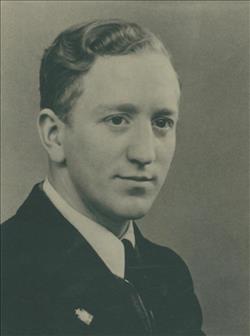
On the morning of 9 April 1940 Germany attacked Denmark and after sporadic fighting during which cities and towns were bombed by the Luftwaffe the Danish government decided the German military was too powerful and after surrendering began cooperating with their occupying forces.
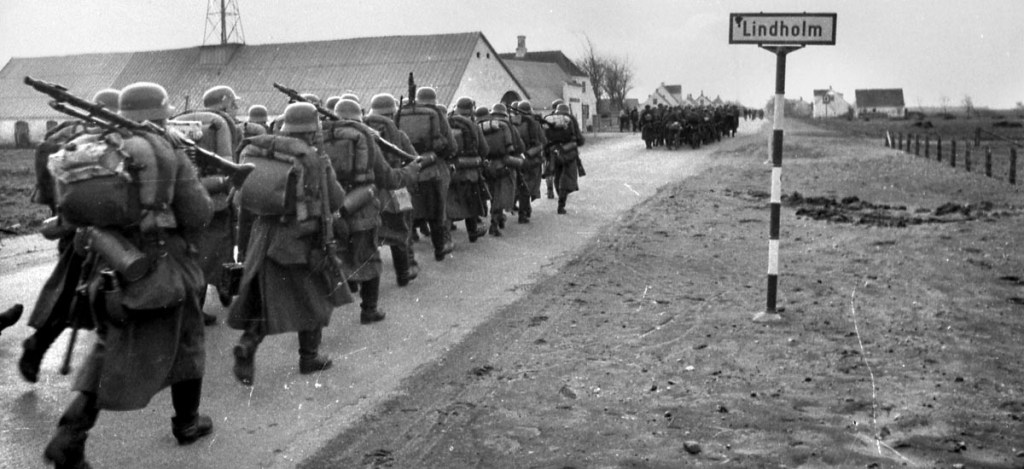
According to the Nationalmuseet the Danish government decided to cooperate with the German occupiers to preserve as much self-determination as possible for Denmark whilst still accommodating the wishes of the Germans and also sought to protect Danish society from the harsh measures which might be introduced by the Germans and the Danish Nazis (National Socialist Workers’ Party of Denmark).
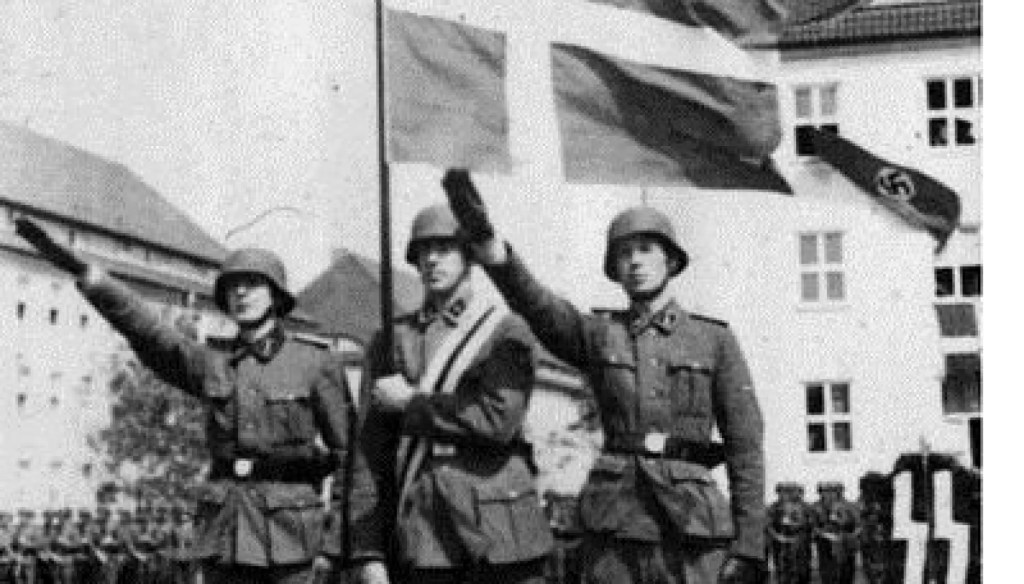
Danish volunteers – National Socialist Workers’ Party of Denmark.
Most Danes supported the strategy of their political leaders and according to SOE historians there was little effective resistance until SOE began sending agents to recruit volunteers before proving training, supplying weapons and organising resistance forces and among the 51 agents sent from London was Filip Johansen.
Prior to joining SOE Danish Section 23-year-old Johansen had served six months with the 8th Battalion the ‘Buff’s’ (East Kent Regiment). Johansen is thought to have completed agent training and selection on or shortly before 12 May 1943 because he was commissioned into SOE as a lieutenant on this date.
The precise date Filip Johansen arrived in Denmark by parachute as a sabotage expert continues to be debated but is known he arrived when SOE was still building circuits and had no effective resistance in Denmark and Johansen later trained a number of saboteurs who later successfully attacked several strategic targets. Throughout 1943 resistance movements in Denmark were mainly supplied with sabotage stores by air and sea but as resistance increased throughout 1944 thousands of weapons were sent to hundreds of resisters and by late 1944 there is said to have been around 50,000 men and women engaged in all forms of resistance and this equated to 1% of the population. London regarded Denmark as being important for D-day because coordinated resistance would help tie-down German forces that otherwise might be deployed to northern France. Apart from recruiting, training, support and guidance Filip Johansen and the 56 other agents sent from Britain needed to bring together various political groups with conflicting post-war political agendas.
How Johansen’s cover was eventually blown was never discovered and several accounts failed to pass close scrutiny. It is believed that on 25 July 1944 his safehouse which was an apartment in Copenhagen was surround by German troops under the command of the local Gestapo. There was no means of escape and to avoid capture and inevitable torture for information he swallowed his SOE issued ‘L’ pill (lethal) containing cyanide and died in less than thirty-seconds.
SS-Sturmbannfuhrer Fritz Suhren Commandant of Ravensbrûck concentration camp July 1942 to April 1945.
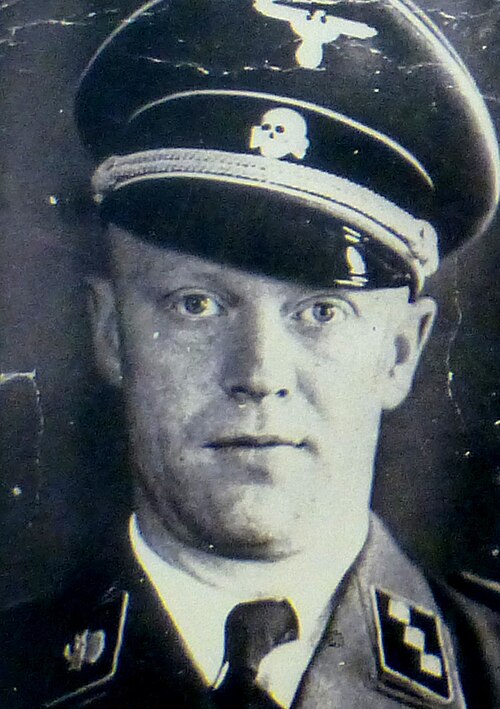
During 1928 Fritz Suhren joined the Nationalists Socialist German Workers Party (NSDAP) commonly referred to as the NAZI party and was also a member of the Sturmabteilung (SA) noted for its extreme violence against German Jews, communists and anyone opposed to the rise of Hitler.
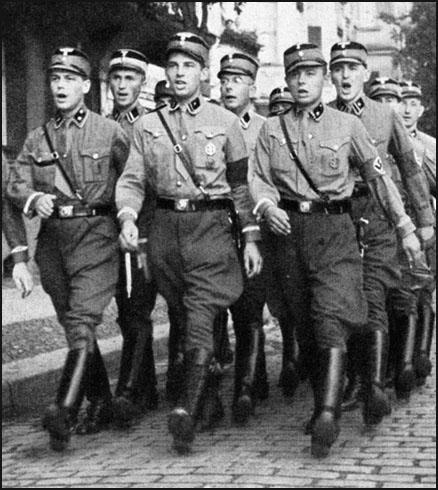
Sturmabteilung (SA) (Image public domain)
Whilst serving as the Deputy Commandant at Sachsenhausen concentration camp he ordered a prisoner named Harry Naujok who was a German Communist and anti-fascist to hang another prisoner, but Naujok refused. The gallows were fitted with a winch to ensure death was long and painful; surprisingly Naujok was not shot and was ordered to stand on the gallows next to the condemned prisoner and watch the man’s agonising death before another prisoner was forced to operate the winch.
From July 1942 to April 1945 Suhren was the Commandant of Ravensbrûck concentration camp which was the largest camp for female political prisoners. The camp had over 150 female SS guards known as Aufseherin (overseer) who carried whips and used dogs to enforce discipline and were just as brutal as the male guards. Ravensbrûck was also a training camp for over 4,000 Aufseherin’s before they were assigned to other camps
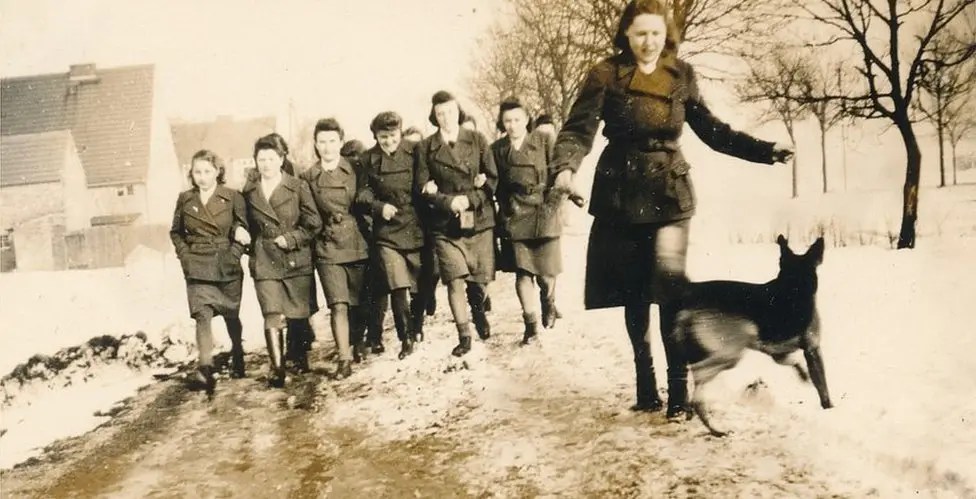
c1940 Aufseherin’s
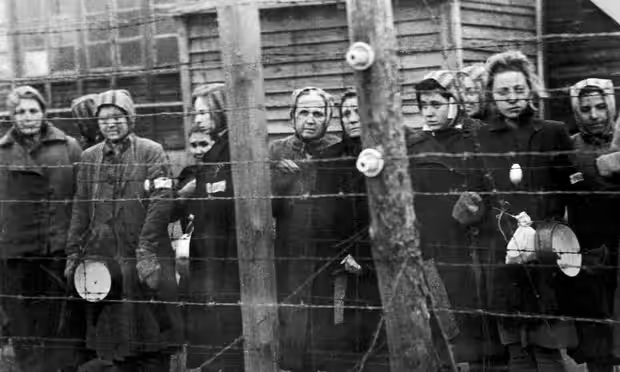
Photograph taken during the Liberation of Ravensbrûck (public domain)
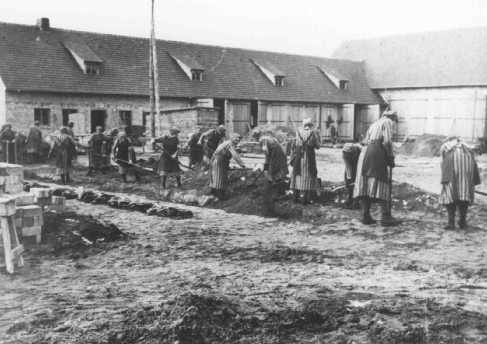
Hard labour at Ravensbrûck
Elsie Maréchal worked for the Belgium end of the COMET escape line rescuing allied airmen and others before being arrested and transported to Ravensbrûck; during a war crimes tribunal she said “We were to die of misery, hunger and exhaustion… The first thing I saw when I arrived was a cart with all dead bodies piled on it… Their arms and legs hanging out and mouths and eyes wide open. We did not feel like we had the value of cattle. You worked or you died.”
SOE agent Odette Sansom mentioned a young girl 18 or 19 years old being shot through the head by an SS guard, “She was Fresh. Still warm when the women attacked her body. They were crazy, demented and needed to consume whatever they could to survive.”
Under Suhren’s command SS doctors, without anaesthetic or pain relief, carried out medical experiments on prisoners. Among the recorded experiments during which prisoners were awake include bone transplants, infecting bones and muscles with bacteria and experiments on female reproductive system. The camp also supplied women for brothels at several camps and most died from sexual violence and the rampant spread of sexually transmitted disease.
When SOE agent Odette Sansom had been arrested and tortured over several days and spent over a month in solitary confinement in a cell with no light or heating she convinced the Gestapo she was married to Peter Churchill, the agent who had been arrested with her and he was a close relative to British Prime minister Winston Churchill and the news of her powerful family connection through marriage rapidly spread and by the time she arrived at Ravensbrûck Suhren and Berlin were not sure how to treat her.
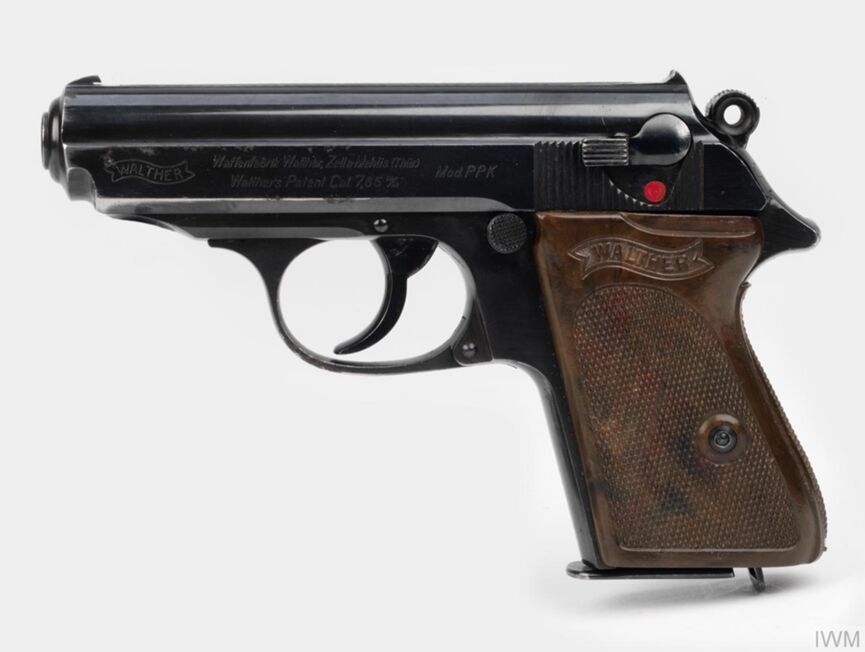
The Walther PPK belonging to Fritz Suhren now part of the Imperial War Museum collection.
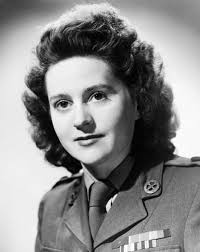
Odette Sansom GC.
After the defeat of Germany was seen as inevitable and the Soviet Army would liberate the camp Suhren was fearful of being captured by the Russians. Suhren had been taken in by the lie of Odette’s family connection and believed Winston Churchill would be lenient for saving the life of a member of his family and would not be convicted of war crimes despite the overwhelming evidence against him. Fritz Suhren gave Odette Sansom his Walther PPK pistol, now on display at the Imperial War Museum in London, before they drove to the American lines and Sansom gave her notorious prisoner to a group of surprised American soldiers.
Fritz Suhren later escaped and during the Hamburg Ravensbrûck trial Suhren was found guilty of war crimes, crimes against humanity and sentence to death in absentia. Suhren had fled to Bavaria where he was caught by American forces in 1949 and sent to the French Occupied Zone and was executed by firing squad on 12 June 1950 along with SS guard Hans Pflaum.
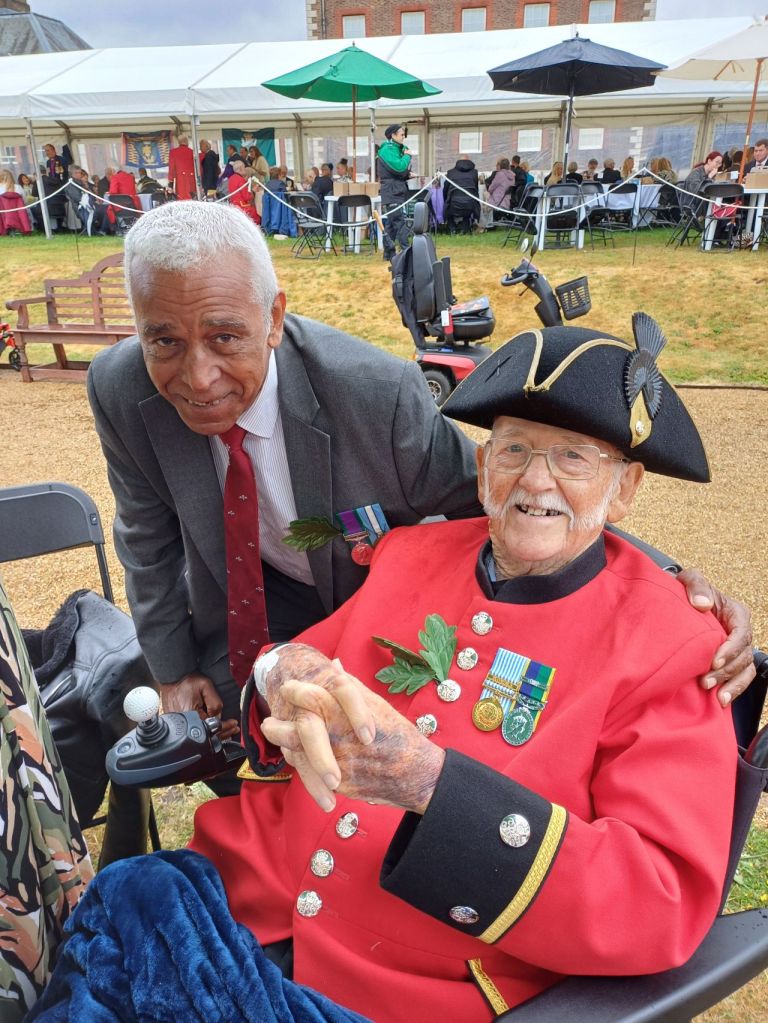
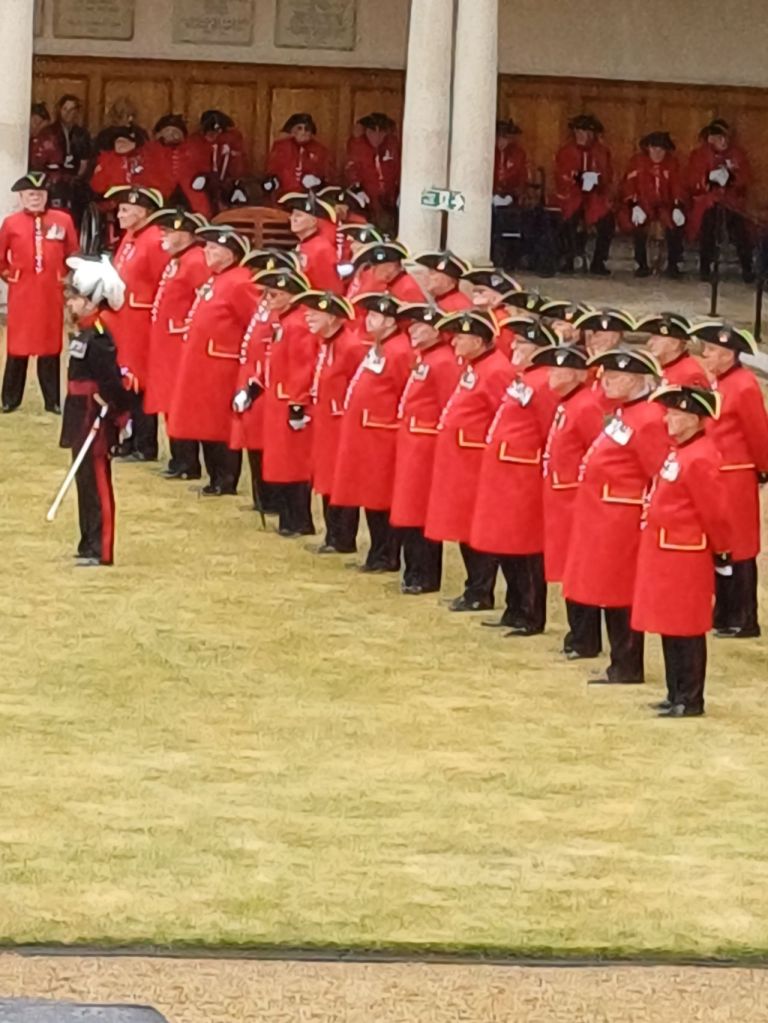
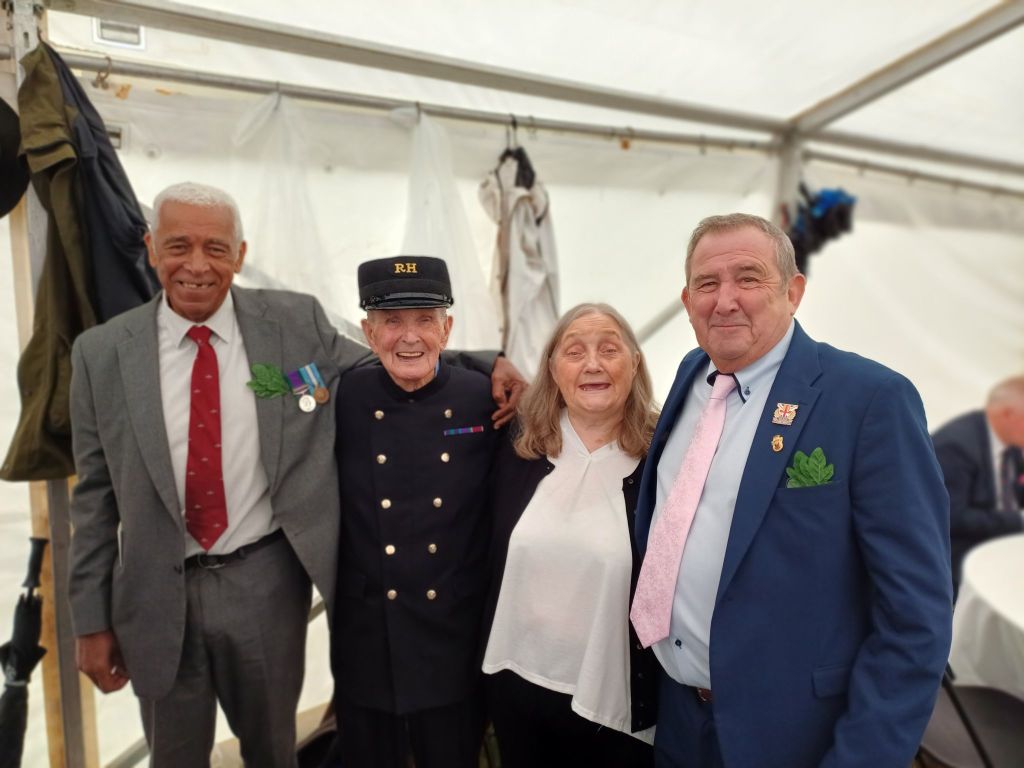
Founders Day at the Royal Hospital Chelsea- The Chelsea Pensioners.
Again, it was an honour to be invited to attend Founders Day of the Royal Hospital Chelsea. The reviewing officer was HRH The Duke of Edinburgh.
The Royal Hospital was established “For the succour and relief of veterans broken by age and war, founded by Charles II, enlarged by James II and completed by King William and Queen Mary in the year of our lord 1692. “
After entering the grounds visitors were given an Oak Leaf to wear in remembrance of King Charles II escaping from Parliamentary troops by hiding in a Oak Tree after the Battle of Worcester in 1651 during the civil.
It was wonderful spending time with veterans of several generations including this veteran of the Korean War and all had incredible stories to tell.
Brian Stonehouse: SOE Wireless Operator. Nine minute film interview released in 1997.
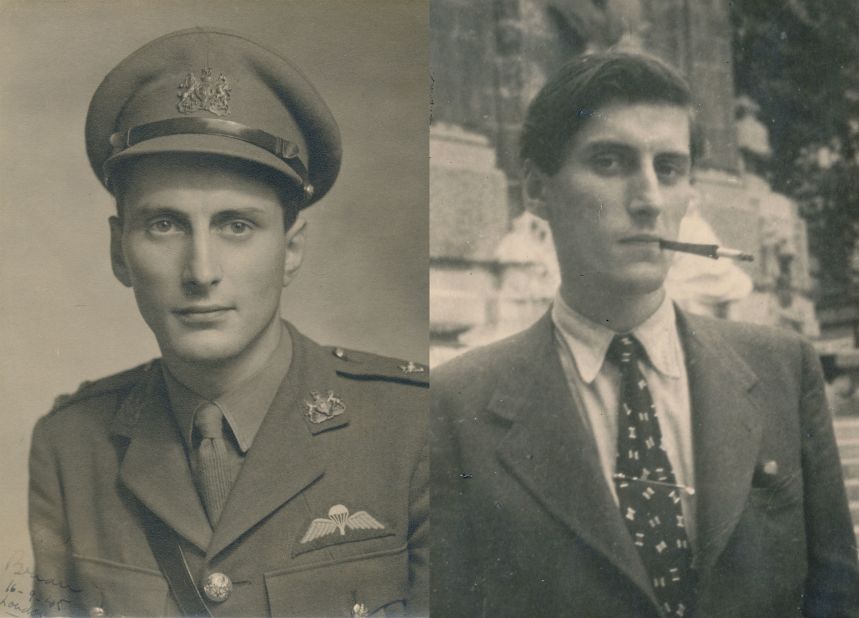
Brian Stonehouse was 24-years old when he parachuted into France on the night of 1 July 1942. This interview briefly examines his war service in France but leaves out many of the difficulties he faced and overcome as a clandestine and his experiences after being incarcerated in five concentration camps. Brian Stonehouse died in London on 2 December 1998 at the age of 80.
American Airbourne: Parachute failure. Turn on volume to hear remarks from soldiers.
Operation Banner (Northern Ireland) and the Good Friday Agreement to cease hostilities.
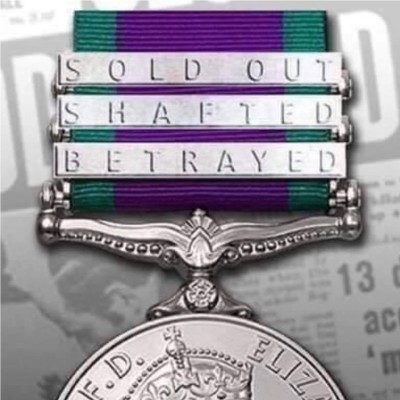
Before the Good Friday Agreement (GFA) was signed on 10 April 1998 over 500 convicted terrorists were released from prison and an unknown number of terrorists who were on the run received comfort letters from the Blair Government so they could not be prosecuted for murder, bombings and other terrorist offences.
Since the signing of the GFA, Northern Ireland veterans continued to be persecuted and investigated about alleged crimes going back more than fifty years and many veterans see this as the government appeasing Sinn Féin/IRA and having nothing to do with justice. The following news reel of three terrorist murders helps illustrate the resentment of many Northern Ireland veterans towards the Blair Government who signed the agreement and successive governments which many veterans feel supported convicted terrorists at the expense of those who served and is posted here for debate.
The ‘Shetland Bus’.
Members of the ‘Shetland Bus’ during WW2.
The nickname of a Norwegian clandestine special operations group that linked the Shetland’s in Scotland to German-occupied Norway from 1941. From mid-1941 the group’s official name was the Norwegian Naval Independent Unit (NNIU). Initially they used covert fishing vessels to support resistance and in October 1943 it became part of the Royal Norwegian Naval Special Unit (RNNASU).
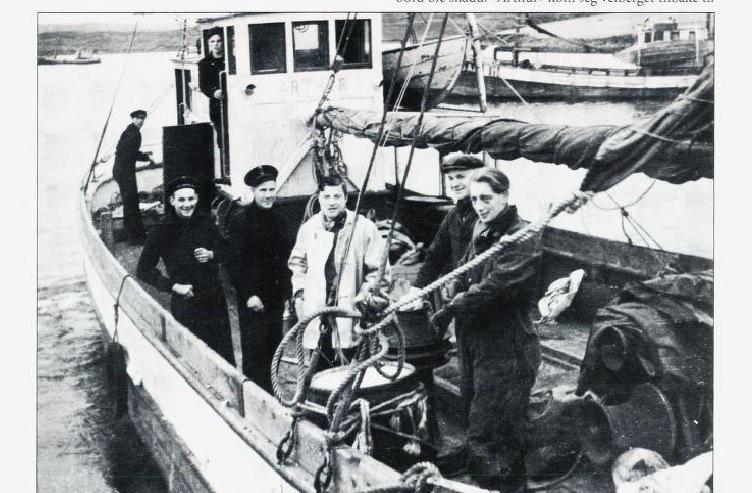
Image IWM
Alan Malcher
 Alan Malcher