On the morning of 9 April 1940 Germany attacked Denmark and after sporadic fighting during which cities and towns were bombed by the Luftwaffe the Danish government decided the German military was too powerful and after surrendering began cooperating with their occupying forces.
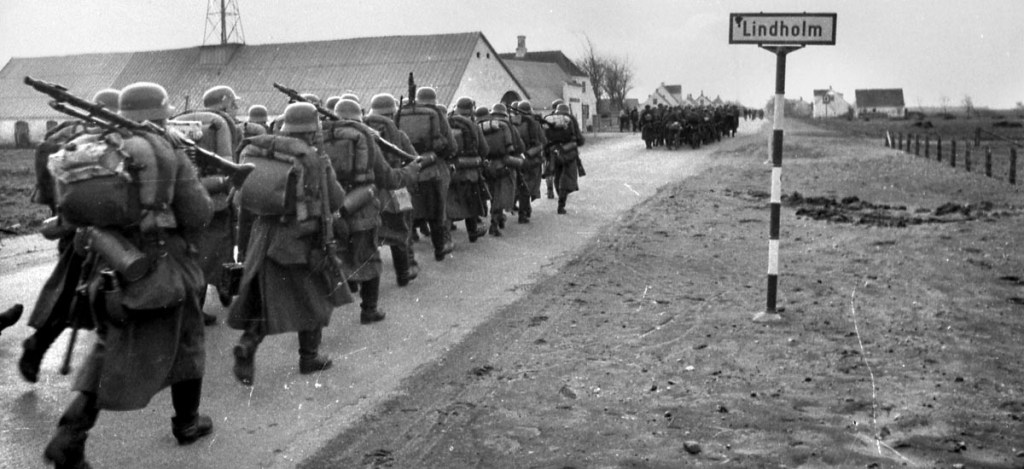
According to the Nationalmuseet the Danish government decided to cooperate with the German occupiers to preserve as much self-determination as possible for Denmark whilst still accommodating the wishes of the Germans and also sought to protect Danish society from the harsh measures which might be introduced by the Germans and the Danish Nazis (National Socialist Workers’ Party of Denmark).
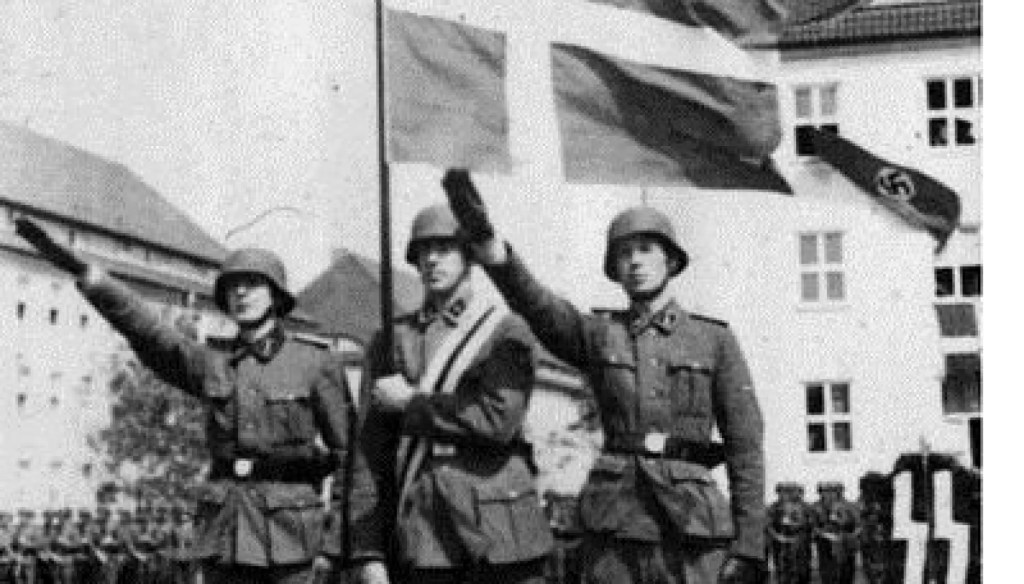
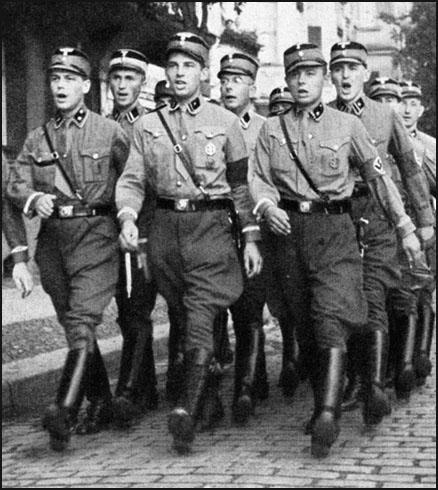
Danish volunteers – National Socialist Workers’ Party of Denmark.
Most Danes supported the strategy of their political leaders and according to SOE historians there was little effective resistance until SOE began sending agents to recruit volunteers before proving training, supplying weapons and organising resistance forces and among the 51 agents sent from London was Filip Johansen.
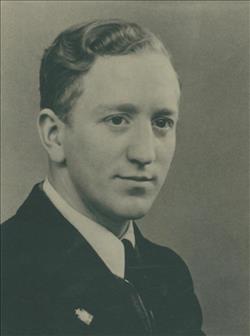
Prior to joining SOE Danish Section 23-year-old Johansen had served six months with the 8th Battalion the ‘Buff’s’ (East Kent Regiment). Johansen is thought to have completed agent training and selection on or shortly before 12 May 1943 because he was commissioned into SOE as a lieutenant on this date.
The precise date Filip Johansen arrived in Denmark by parachute as a sabotage expert continues to be debated but is known he arrived when SOE was still building circuits and had no effective resistance in Denmark and Johansen later trained a number of saboteurs who later successfully attacked several strategic targets. Throughout 1943 resistance movements in Denmark were mainly supplied with sabotage stores by air and sea but as resistance increased throughout 1944 thousands of weapons were sent to hundreds of resisters and by late 1944 there is said to have been around 50,000 men and women engaged in all forms of resistance and this equated to 1% of the population. London regarded Denmark as being important for D-day because coordinated resistance would help tie-down German forces that otherwise might be deployed to northern France. Apart from recruiting, training, support and guidance Filip Johansen and the 56 other agents sent from Britain needed to bring together various political groups with conflicting post-war political agendas.
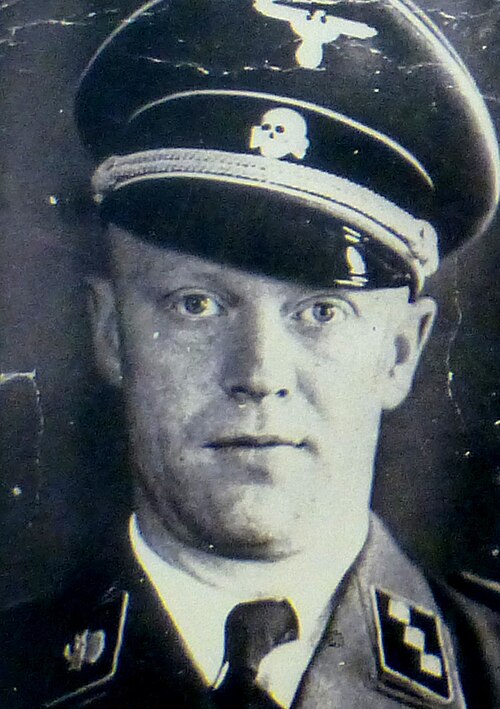
How Johansen’s cover was eventually blown was never discovered and several accounts failed to pass close scrutiny. It is believed that on 25 July 1944 his safehouse which was an apartment in Copenhagen was surround by German troops under the command of the local Gestapo. There was no means of escape and to avoid capture and inevitable torture for information he swallowed his SOE issued ‘L’ pill (lethal) containing cyanide and died in less than thirty-seconds.
 Alan Malcher