British Homefront during the Second Word War: The Blitz.

London Blitz. (No source)

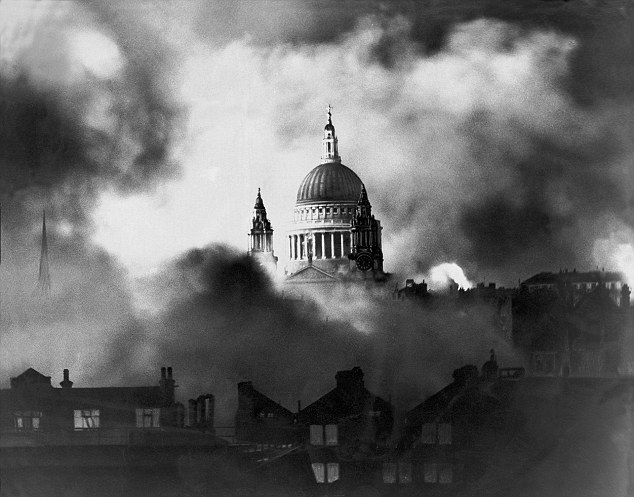
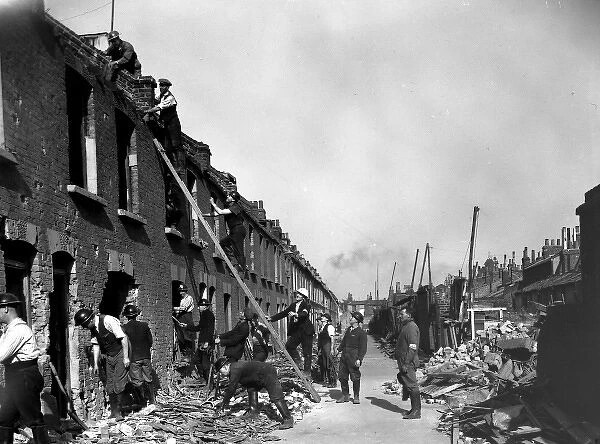
The aerial bombardment of British cities was commonly called the Blitz ( 7 September 1940 to 11 May 1941) . The Luftwaffe Blitz on Britain began on the afternoon of 7 September 1940 when 348 German bombers with 617 fighter escorts targeted London during which 430 civilians were killed and 1,600 badly injured and attacks continued on London for the next 57 nights.
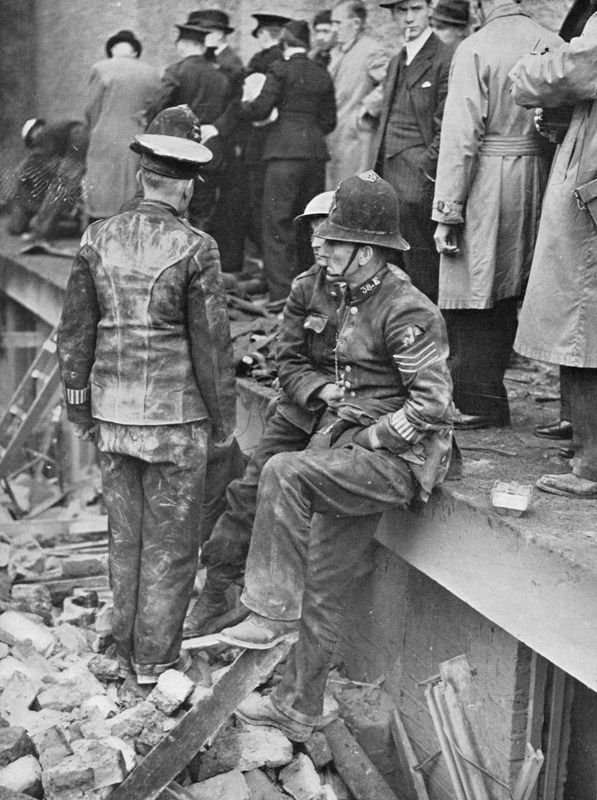
London police officers after helping rescue civilians during an air raid. (No source)

According to the Royal Air Force Museum, the most devastating raid on London took place on the night of 10/11 May 1941 between 11:02 pm and 05:57 am when 571 German bombers dropped 711 tons of high explosives, 86,172 incendiaries and the London Fire Brigade recorded 2,136 fires during which approximately 1,436 civilians were killed and 1,800 seriously injured. Apart from London the Luftwaffe began bombing Liverpool, Birmingham, Coventry and Southampton. On 14 November 1940, 500 bombers destroyed much the old city centre of Coventry killing around 500 and during February and May waves of attacks focused on ports including Plymouth, Portsmouth, Newcastle Upon Tyne, Hull, Swansea, Belfast, and Clydebank.
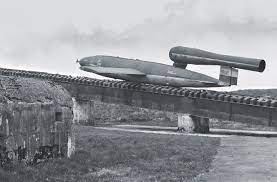
V1 Flying Bomb British citizens called the ‘doodlebug’.

The first V1 flying bomb hit Grove Road, Bow in London at 4:25 am on 13 June 1944 destroying a railway bridge and nearby homes during which 6 people were killed, 30 seriously injured and 200 families made homeless.
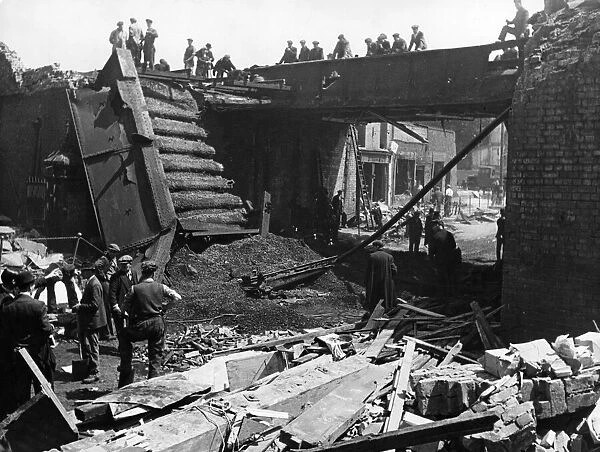
Grove Road, Bow London (No source)
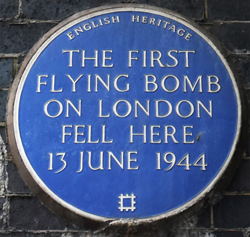
Blue Plaque in Grove Road.

V1 attacks killed 9,251 civilians and 17,981 were injured.
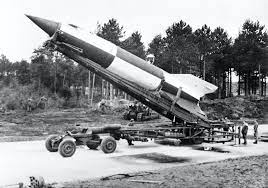
V2 Rocket.

On Friday 8 September 1944 the first V2 rocket launched from the Netherlands hit Staveley Road Chiswick, London. Three people were killed and 19 injured and the blast left a 30 foot crater. The youngest known fatality was Rosemary Ann Clark aged 3 whose parents were injured and died the same day at the West Middlesex County Hospital, Isleworth.
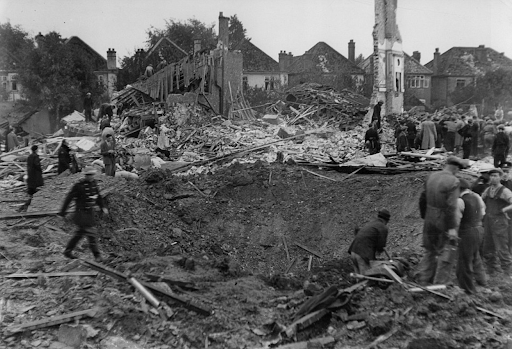
Staveley Road Chiswick.
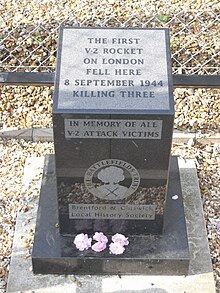
Memorial in Staveley Road.

On 27 March 1945 at 7:21 am a V2 rocket exploded at Hugh Mansions Valance Road, Bow London killing 134 men, women and children.
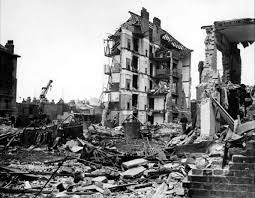
Hugh Mansions (IWM)
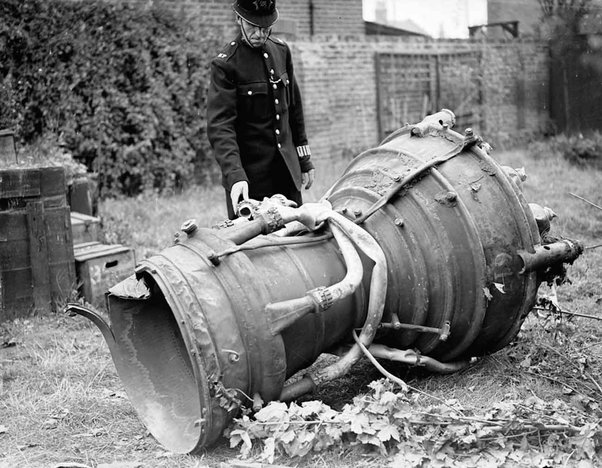
Engine of a V2 rocket.

Over 3,000 V2 rockets landed in Britain and killed an estimated 9,000 civilians.
Around 6,725 V1 and V2’s were launched against Britain of these 2,340 hit London killing 5,475 civilians and injured 16,000.
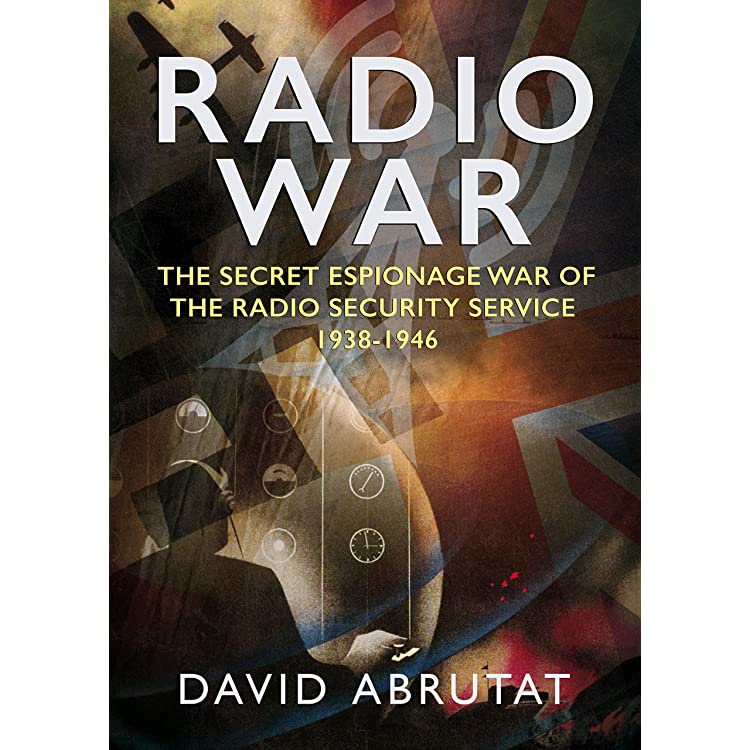
British Home Front during WW2: Wireless Security Service – Tracking German Spies in England by Dr David Abrutat

David Abrutat recently published Radio War: The Secret Espionage War of the Radio Security Service 1938- 1946 and gave the following talk at the Buckinghamshire Wireless Museum. See book below.

Alan Malcher

British Homefront during WW2: ATA Pilot Margaret ‘Mardi’ Gething.

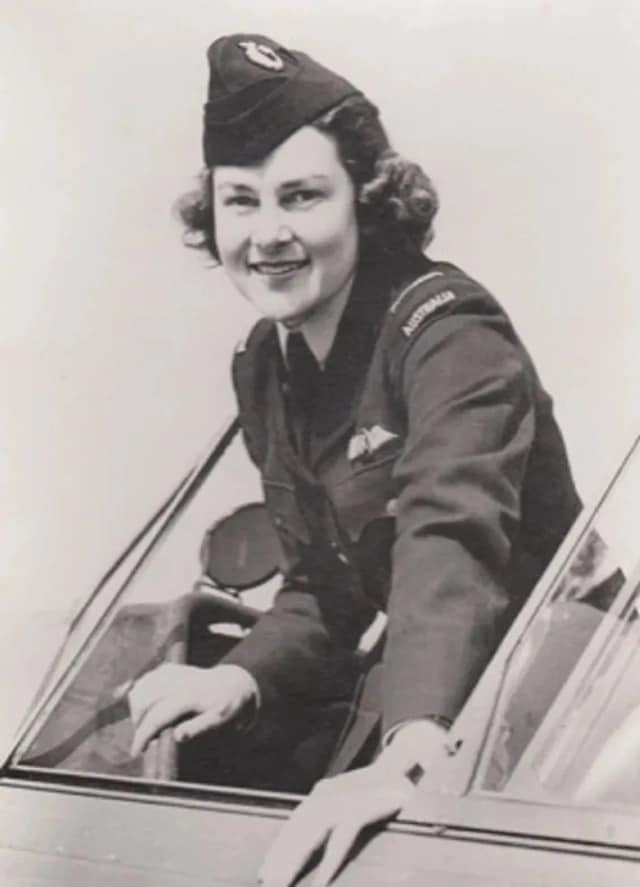
Margaret ‘Mardi’ Gething (IWM)

Margaret ‘Mardi’ Gething was an Australian pilot with the ATA (Air Transport Auxiliary) who ferried military aircraft from British factories to operational RAF airfields throughout the United Kingdom. From 1941 to 1944 she ferried Spitfires, Hurricanes, Tempest, Typhoons, Mustangs, Wellington and Blenheim bombers. She flew 42 different types of aircraft, delivered over 600 aircraft to RAF operational airfields and often flew three different types of aircraft in a day. Margaret ‘Mardi’ Gething died in Australia in July 2005. 

Alan Malcher.

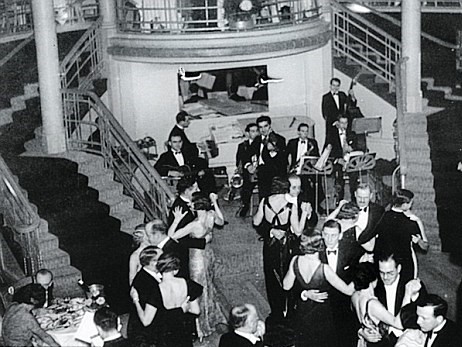
The British Homefront during WW2: The Café de Paris bombed during the London Blitz

The Café de Paris was a London nightclub in Coventry Street W1 near Leicester Square which opened in 1924 but closed permanently in 2020 due to the Covid-19 pandemic. After receiving a direct hit during the Blitz, it was reported in newspapers but due to censorship the full story only became known several years after the war.

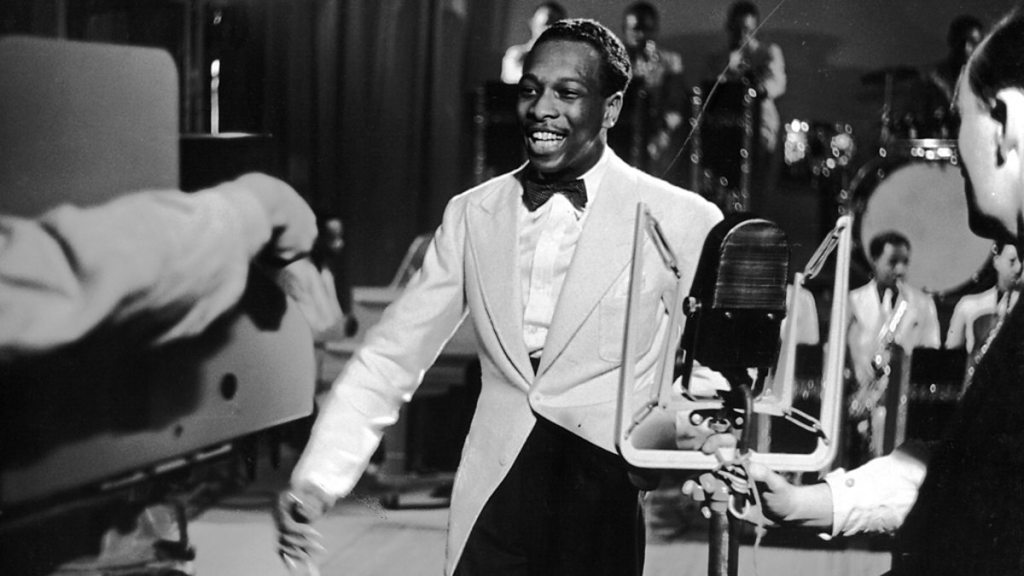
On the night of 8 March 1941, the Café de Paris which had a maximum capacity of 700 people was described as heaving with couples dancing to Ken ‘Snake hips’ Johnson’s big band. Twenty-six-year old Ken Johnson was from British Ghana and had just started playing when according to one of the few survivors there was an immense blue flash. Two bombs entered the night club down a ventilation shaft from the roof and exploded in front of the band. Ken Johnson’s head was blown from his shoulders and the legs of dancer’s were sheared off. Due to the confined space the blast was magnified and burst the lungs of diners as they sat at their tables and killed them instantly.

Ken ‘Snake Hips’ Johnson

When rescuers arrived one tripped over a girl’s head on the floor, looked up and saw her torso still sitting in a chair. The dead and dying where heaped everywhere.

The number of fatalities determined by body parts is not known and numbers varying considerably but this was not uncommon during the Blitz.