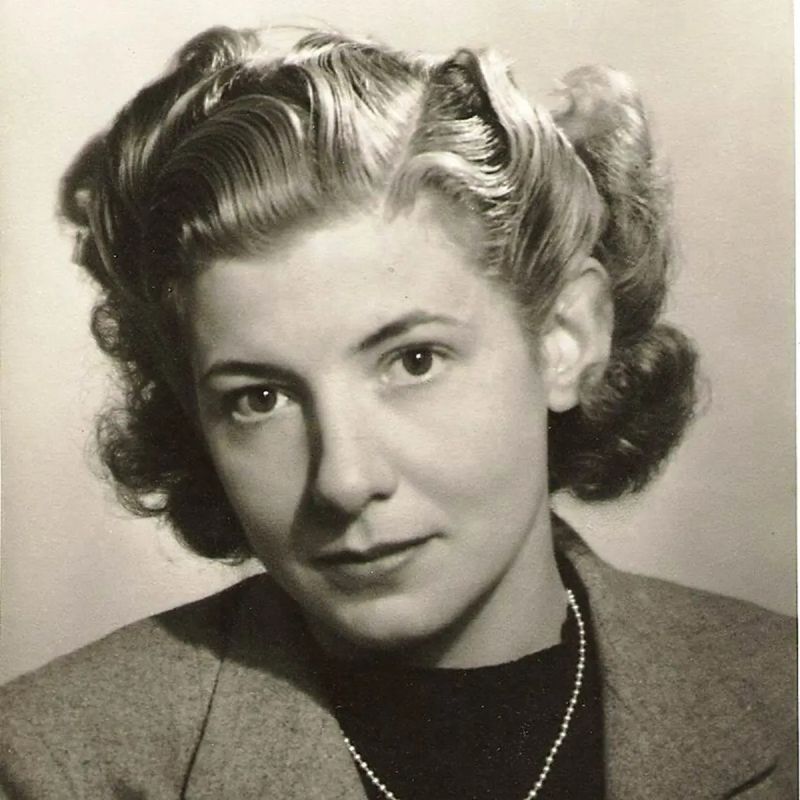
Charlotte Wood the famous Canadian War mother of World War One.

Charlotte Wood was born on 27 September 1861 in Chatham Kent and later emigrated to Canada. In 1914 eleven of her sons and stepsons served during the Great War (1914-1918) and five of them were killed. It is known her son Peter was killed near Vimy Ridge with the Saskatchewan Regiment and is among the 11,000 Canadians listed as having no known grave and her son Frederick was killed during the Battle of Mons in 1914.

In 1936 Charlotte Wood was the first to place a wreath on the Tomb of the Unknown Soldier in Westminster Abbey in London on behalf of all Canadian mothers who lost sons during the Great War. In 1939, a few weeks after the start of the Second World War, she died and was buried in an unmarked grave in Winnipeg Brookside Cemetery and a gravestone was erected 60 years later.

Alan Malcher.
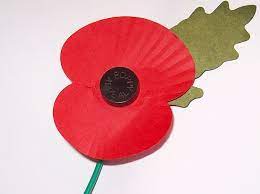
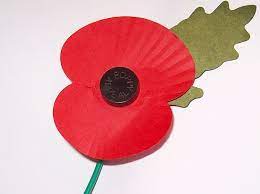
Remembrance Sunday is not only for the men and women killed in action during the two world wars and all conflicts since then.

On 24 October 1940, 16 year old Aircraftman 1st Class Harry Clack was two days into his military service with No.54 MU RAF when he was electrocuted whilst recovering a German Dornier DO 215 bomber shot down near St Neots when the crane he was operating touched overhead power cables. Harry Clack is thought to be the youngest RAF fatality during the Second World War.

Alan Malcher

Yvonne Cormeau (nee Biesterfield). 

Yvonne Cormeau (nee Biesterfield). In 1937 She married Charles Cormeau who joined the Rifle Brigade at the outbreak of war and in 1940 was wounded in France and returned to England. Shortly after his return Charles was killed when their family house was destroyed during a German air raid on London and Yvonne escaped serious injury after a bath fell on top of her and protected her head but their unborn child was killed. After recovering she joined the WAAF’s and was later recruited by SOE and sent her 3-year-old daughter to live in the countryside to avoid the bombings.

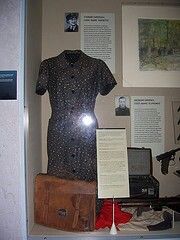
On the night of 22-23 August 1943 Cormeau arrived by parachute at Saint-Antoine-du-Queyret to join Wheelwright circuit as their wireless operator in the Gascony area. She frequently cycled 30 miles a day to avoid direction finders and passed over 400 messages to London. In June 1944 she was shot in the leg during a firefight but managed to escape with her wireless and the dress she was wearing and her blood-stained briefcase is on display at the Imperial War Museum.

IWM

Yvonne Cormeau died on 25 December 1997, aged 88 in Fleet Hampshire.

Marie – José Villiers: British born Countess working with the Belgium Resistance. (30 April 1916 – 1 February 2015)

After Belgium was occupied Villiers reconnoitred German airfields in Belgium and northern France and passed the intelligence to London. She also worked for an escape line rescuing allied air crews shot down over Belgium and assisted them to reach neutral Spain but after several members of the resistance were arrested Villiers was warned the Gestapo knew her identity and was high on their wanted list. She then obtained forged identity papers, dyed her hair black and escaped to England though Spain and Portugal.

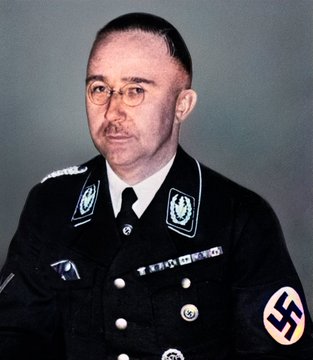
Reichsführer Heinrich Himmler: Attempting to escape British forces.

In this second episode, we follow Himmler as he goes on the run, heading south through the British occupation zone until his capture and identification by British forces.

Dr. Mark Felton is a well-known British historian, the author of 22 non-fiction books, including bestsellers ‘Zero Night’ and ‘Castle of the Eagles’, both currently being developed into movies in Hollywood. In addition to writing, Mark also appears regularly in television documentaries around the world, including on The History Channel, Netflix, National Geographic, Quest, American Heroes Channel and RMC Decouverte. His books have formed the background to several TV and radio documentaries.

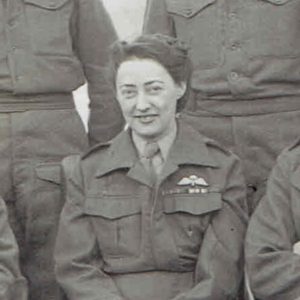
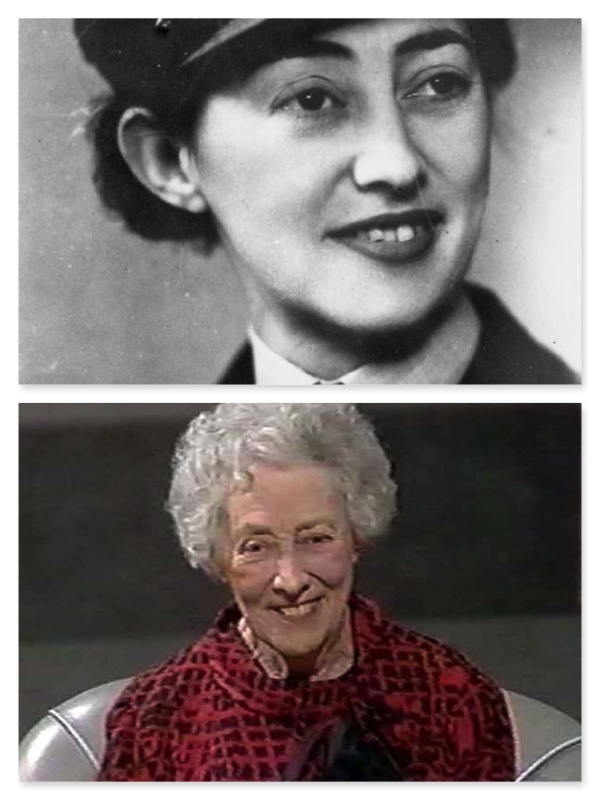
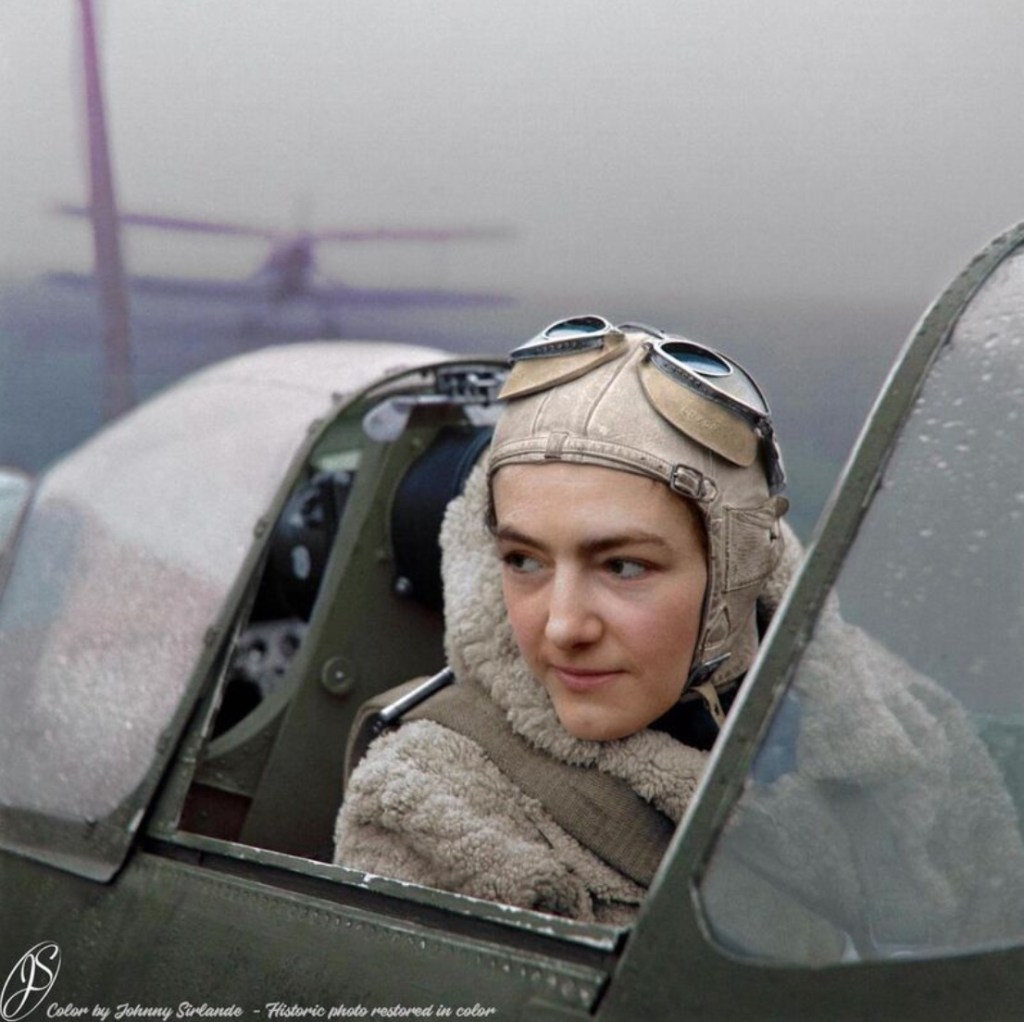
Anna Leska-Daab: ATA Ferry Pilot in England during WW2.

Original B&W image source unknown.

Anna Leska-Daab obtained her glider and balloon pilot licence at the Warsaw Flying Club. After escaping to England through Romania and France she was one of three Polish women serving with the ATA (Air Transport Auxiliary)

She was Stationed at Hatfield and Hamble and ferried a total of 1,295 aircraft including 557 Supermarine Spitfires. She flew 93 types of aircraft, including flying boats, and was airborne for 1,241 hours. 

She was the sister of col. pilot Kazimierz Leski, also known as “Bradl”, the legendary intelligence officer of the Polish Home Army and wife of Capt. pilot Mieczysław Daab. Anna Leska-Dabb died on 21 January 1988.

Alan Malcher.

British Home Front during WW2: Wireless Security Service – Tracking German Spies in England by Dr David Abrutat

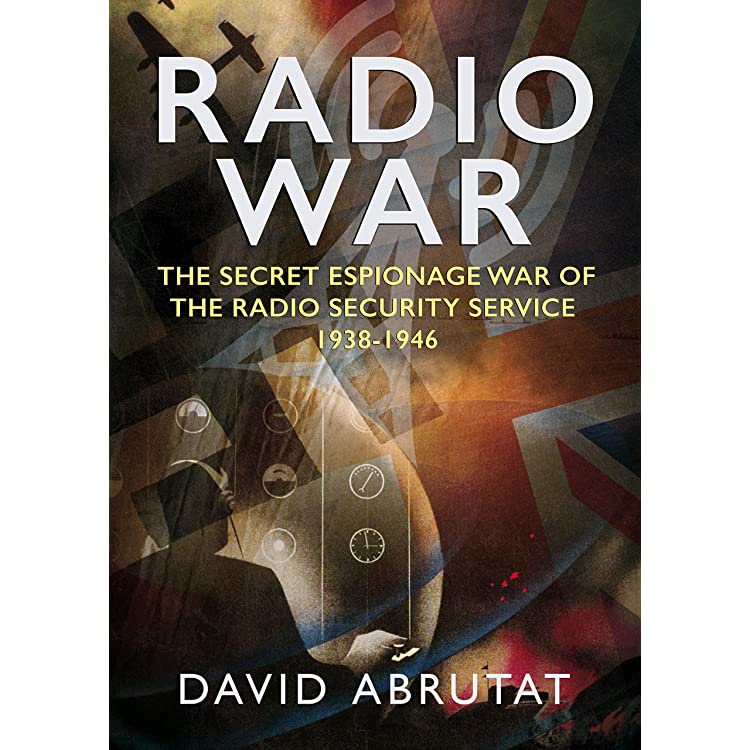
David Abrutat recently published Radio War: The Secret Espionage War of the Radio Security Service 1938- 1946 and gave the following talk at the Buckinghamshire Wireless Museum. See book below.

Alan Malcher

WW2 Training Film for US Soldiers: How to Behave in Britain 1943. This must have been a culture shock for newly arrived GI’s

to

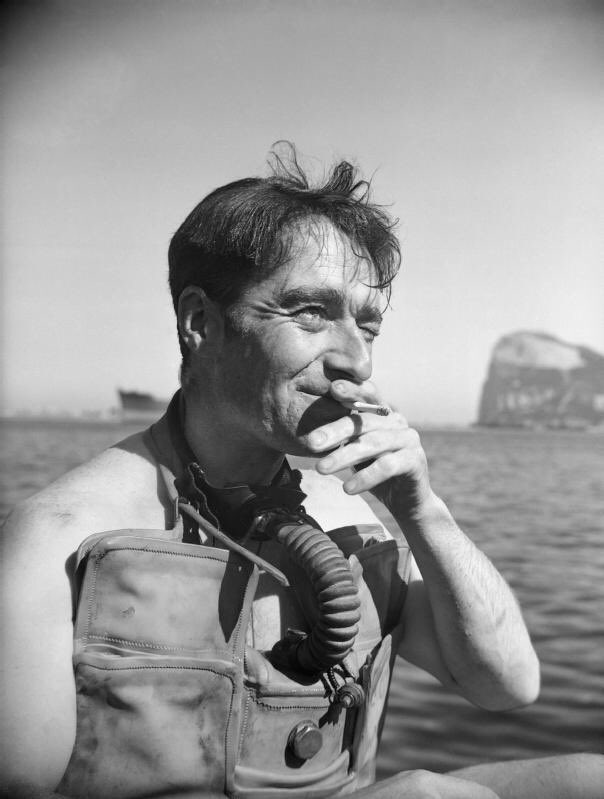
Disappearance of Lieutenant Commander Lionel ‘Buster’ Crab

On 19 April 1956 Lieutenant Commander Lionel ‘Buster’ Crabb, OBE GM RNVR disappeared in Portsmouth Harbour and Prime Minister Sir Anthony Eden told MP’s it was not in the public interest to discuss the circumstances and the admiralty stated Crabb had disappeared whilst testing secret underwater equipment some distance from the harbour.

It is widely believed ‘Buster’ Crabb disappeared during a clandestine operation to examine the Soviet Cruiser Ordszhonikidze berthed in Portsmouth Harbour during a visit by Nikita Khrushchev. A headless body with both hands missing and dressed in a diving suit was later found floating in the sea. Even after the forensic pathologist who examined the body stated they were not the remains of Crabb because known scars on the legs were not present the body was reported to have been Lt Cdr Crabb and buried in Milton Cemetery, Portsmouth and researcher Sydney Knowles later claimed Crabb had not dived alone.

Since his disappearance there has been much speculation, many conspiracy theories and the files remain classified until 2057.

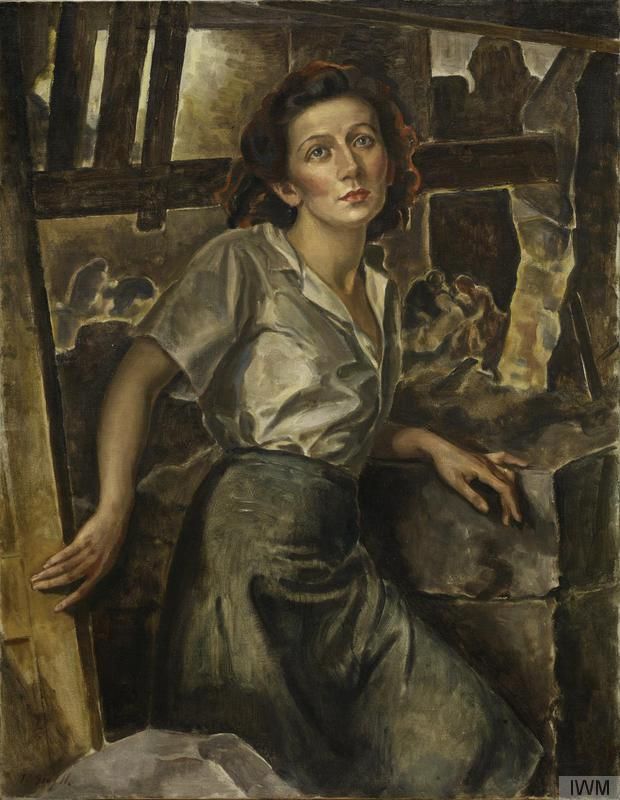
British Homefront during WW2: Marion Patterson GM (1911-1993)

Portrait at the IWM
On 7 August 1942 whilst serving as a Scottish fire warden she was part of a team extinguishing a large fire at a burning building after an air raid. She was inside the building when she heard cries for help coming from under a collapsed wall and found a sailor seriously injured. Whilst surrounded by smoke an flames she called for a rope to be lowered and after tying it around the sailors waist he was hoisted to safety. Within less than a minute after Patterson left the building the walls collapsed.
On 12 February 1943 Marion Patterson was awarded the GM by King George IV and the king also commissioned this portrait of her which was displayed at the National Gallery. (IWM) 

Alan Malcher.