Alan Malcher
Alan Malcher
(Text and photograph from Facebook account: British & Commonwealth Forces Past, Present and Future – I have no connection with this account.)
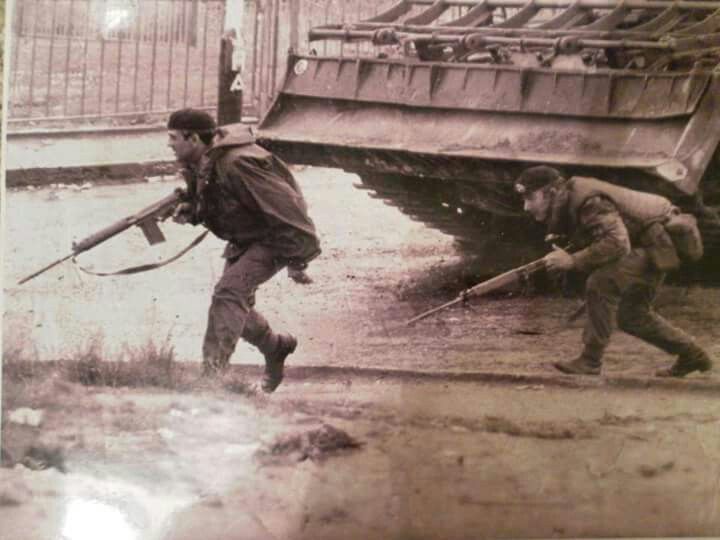
Operation Banner (Northern Ireland) 1969- 2007
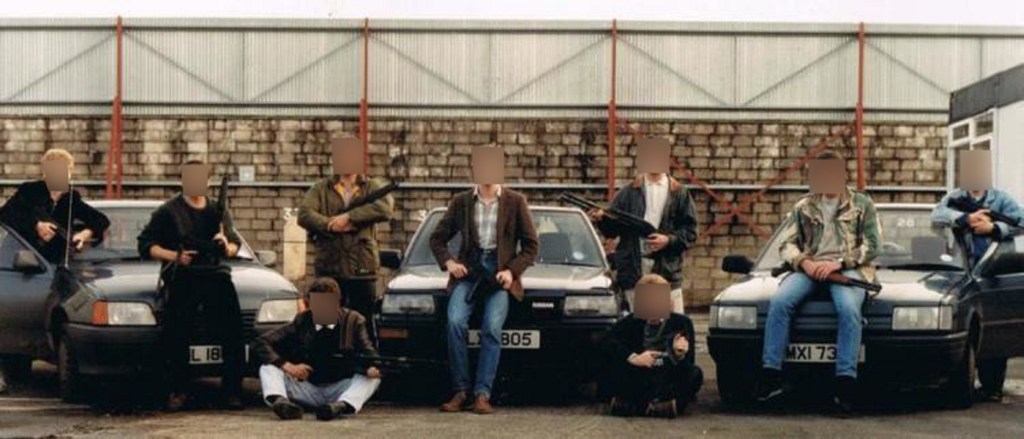
Force Research Unit operators pose for photograph.
“The Force Research Unit (FRU) was a covert military intelligence unit of the British Army’s Intelligence Corps. It was established in 1980 during the Troubles (Operation Banner) to obtain intelligence from terrorist organisations in Northern Ireland by recruiting and running agents and informants.
From 1987 to 1991 the FRU was commanded by Major {name deleted} of the Intelligence Corps and was renamed the Joint Support Group in the early 2000’s.
FRU worked alongside existing intelligence agencies including the Special Branch of the Royal Ulster Constabulary and MI5 (Security Service) and in 1988 the All Source Intelligence Cell was formed to improve the sharing of intelligence between the FRU, Special Branch and MI5.
The author claims FRU was granted special privileges in the course of their work, such as the power to overrule senior officers in ordering an area to be cleared of regular security force patrols or by requesting immediate helicopter cover.
The FRU also had the power to designate specific properties as “off limits” to RUC searches in order to protect agents or the intelligence documents the agents were in control of.”
CAVEAT – the above is from an unknown Facebook and Youtube contributor.
This news clip is dated 1972 but there is no source.
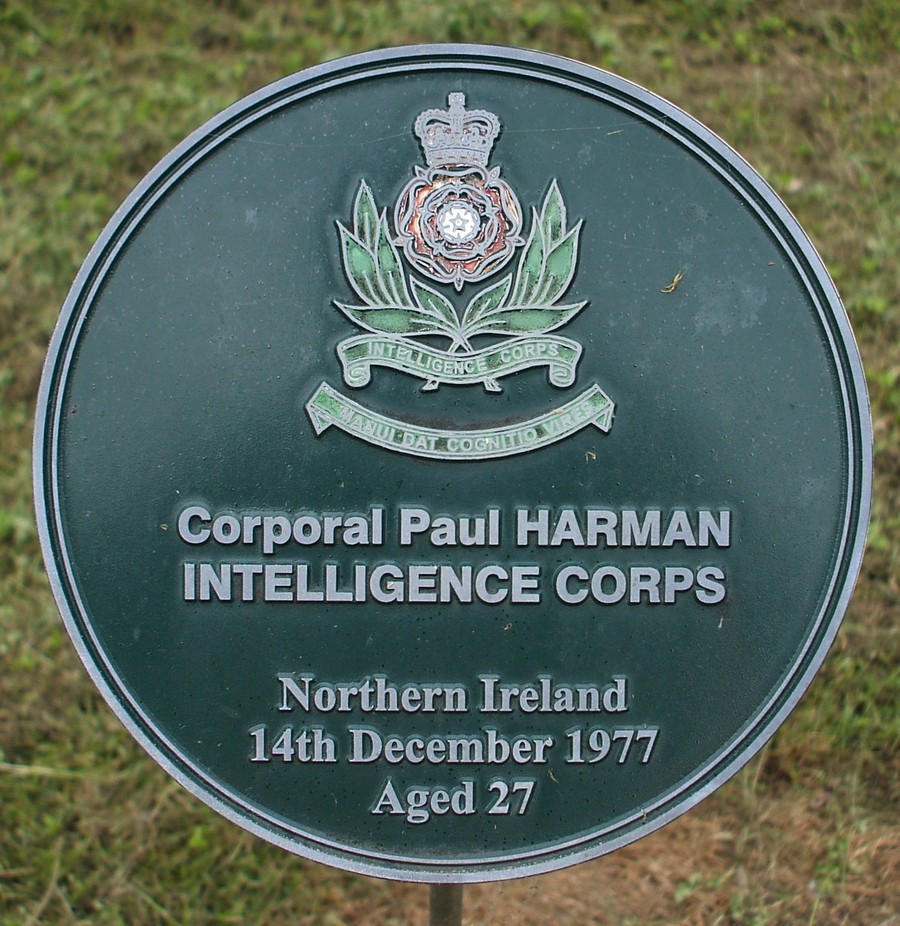
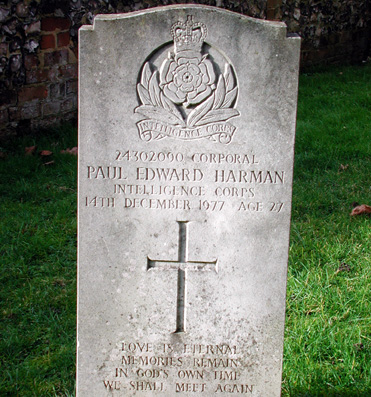
Corporal Paul Edward Harman was killed during operation Banner (Northern Ireland) on 14 December 1977.
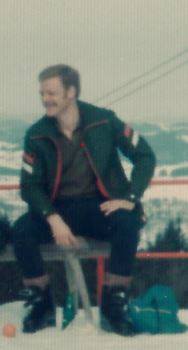
Paul was alone whilst driving an unmarked civilian vehicle along the Monagh Road in the Turf Lodge area, when he was stopped by members of the Provisional Irish Republican Army. As he attempted to escape, he was shot dead by the terrorists.
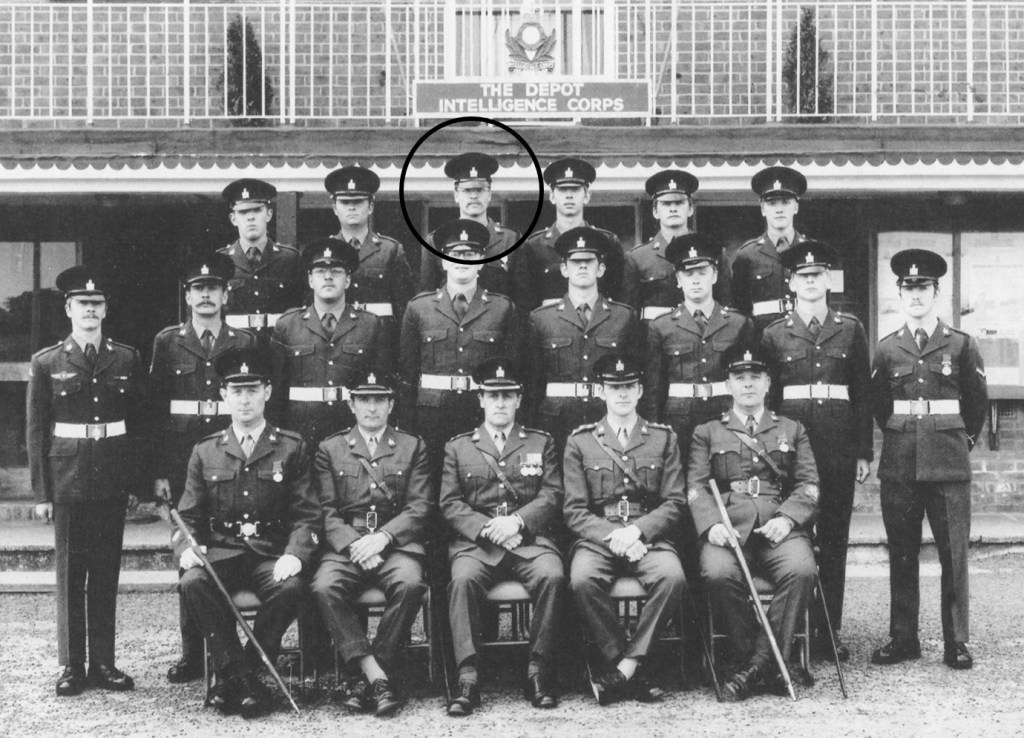
Paul, the son of a diplomat, was born in Ankara, Turkey on 15 April 1950. He originally joined the 16th/5th Lancers (regimental number: 24302090) and served in Cyprus during the Turkish invasion of the island. He transferred to the Intelligence Corps on 15 May 1975 (photograph of Squad 57 attached), and having been selected for special duties he was posted to Northern Ireland and was 27 years old on the day he died.
He was the only member the Corps to be killed in action during operations in Northern Ireland (Operation BANNER). In his memory, the trophy awarded to the winning team at the Corps’ annual football tournament was renamed the Harman Trophy.
Our thoughts are with his family and friends.
(Image: Paul on Exercise SNOW QUEEN 1975.)
Above text and images from the Intelligence Corps.
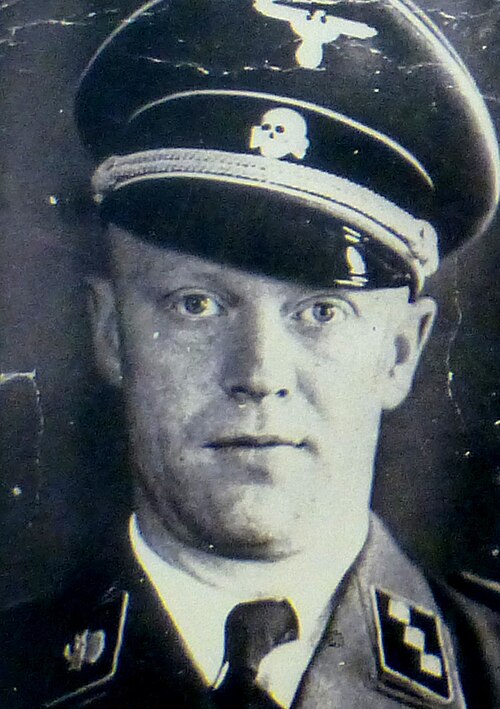
During 1928 Fritz Suhren joined the Nationalists Socialist German Workers Party (NSDAP) commonly referred to as the NAZI party and was also a member of the Sturmabteilung (SA) noted for its extreme violence against German Jews, communists and anyone opposed to the rise of Hitler.
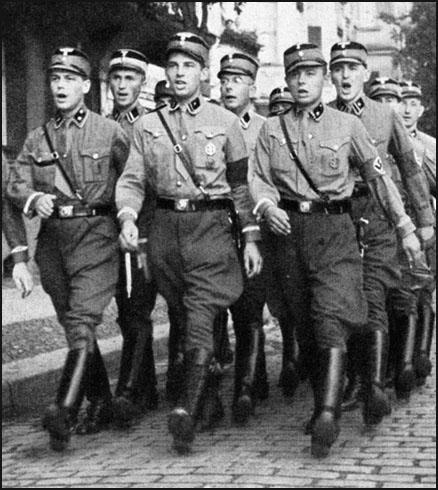
Sturmabteilung (SA) (Image public domain)
Whilst serving as the Deputy Commandant at Sachsenhausen concentration camp he ordered a prisoner named Harry Naujok who was a German Communist and anti-fascist to hang another prisoner, but Naujok refused. The gallows were fitted with a winch to ensure death was long and painful; surprisingly Naujok was not shot and was ordered to stand on the gallows next to the condemned prisoner and watch the man’s agonising death before another prisoner was forced to operate the winch.
From July 1942 to April 1945 Suhren was the Commandant of Ravensbrûck concentration camp which was the largest camp for female political prisoners. The camp had over 150 female SS guards known as Aufseherin (overseer) who carried whips and used dogs to enforce discipline and were just as brutal as the male guards. Ravensbrûck was also a training camp for over 4,000 Aufseherin’s before they were assigned to other camps
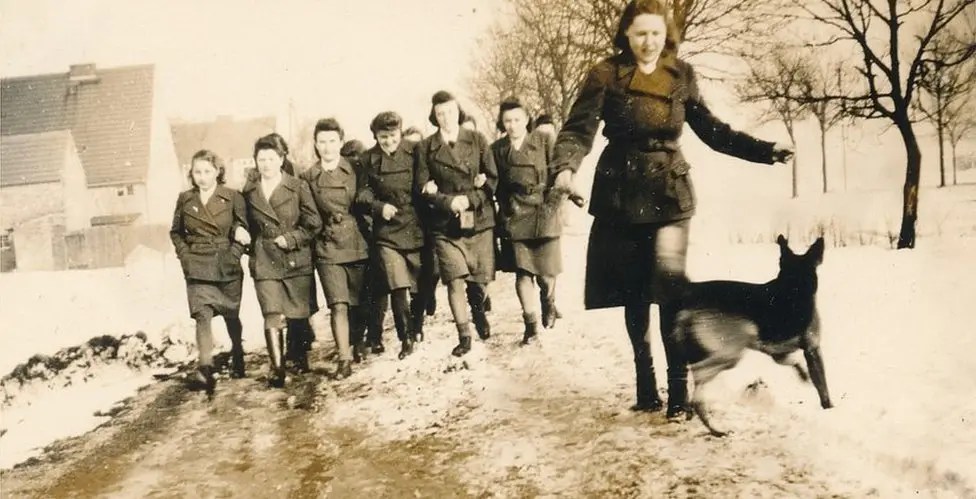
c1940 Aufseherin’s
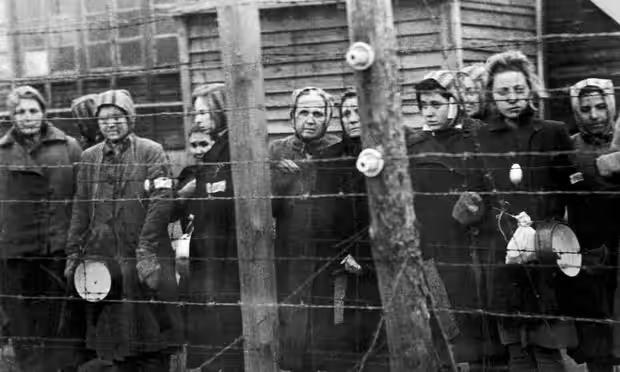
Photograph taken during the Liberation of Ravensbrûck (public domain)
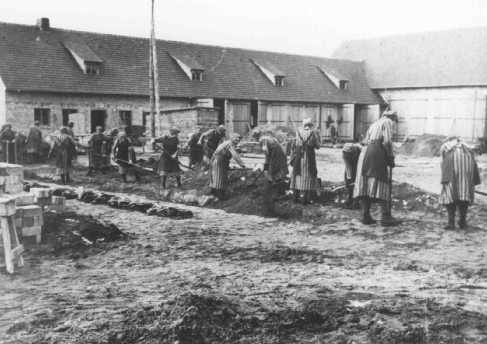
Hard labour at Ravensbrûck
Elsie Maréchal worked for the Belgium end of the COMET escape line rescuing allied airmen and others before being arrested and transported to Ravensbrûck; during a war crimes tribunal she said “We were to die of misery, hunger and exhaustion… The first thing I saw when I arrived was a cart with all dead bodies piled on it… Their arms and legs hanging out and mouths and eyes wide open. We did not feel like we had the value of cattle. You worked or you died.”
SOE agent Odette Sansom mentioned a young girl 18 or 19 years old being shot through the head by an SS guard, “She was Fresh. Still warm when the women attacked her body. They were crazy, demented and needed to consume whatever they could to survive.”
Under Suhren’s command SS doctors, without anaesthetic or pain relief, carried out medical experiments on prisoners. Among the recorded experiments during which prisoners were awake include bone transplants, infecting bones and muscles with bacteria and experiments on female reproductive system. The camp also supplied women for brothels at several camps and most died from sexual violence and the rampant spread of sexually transmitted disease.
When SOE agent Odette Sansom had been arrested and tortured over several days and spent over a month in solitary confinement in a cell with no light or heating she convinced the Gestapo she was married to Peter Churchill, the agent who had been arrested with her and he was a close relative to British Prime minister Winston Churchill and the news of her powerful family connection through marriage rapidly spread and by the time she arrived at Ravensbrûck Suhren and Berlin were not sure how to treat her.
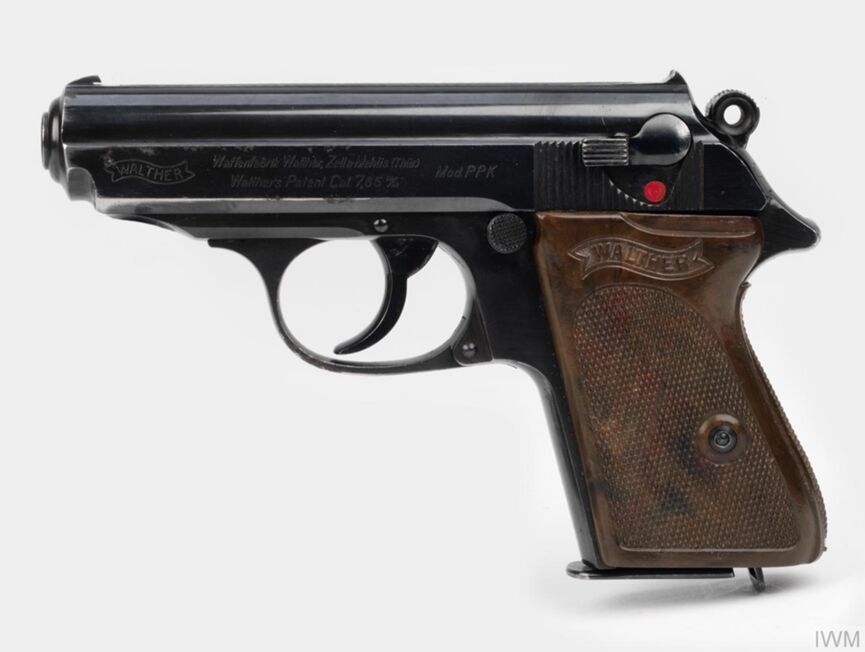
The Walther PPK belonging to Fritz Suhren now part of the Imperial War Museum collection.
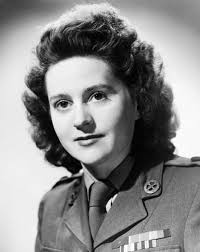
Odette Sansom GC.
After the defeat of Germany was seen as inevitable and the Soviet Army would liberate the camp Suhren was fearful of being captured by the Russians. Suhren had been taken in by the lie of Odette’s family connection and believed Winston Churchill would be lenient for saving the life of a member of his family and would not be convicted of war crimes despite the overwhelming evidence against him. Fritz Suhren gave Odette Sansom his Walther PPK pistol, now on display at the Imperial War Museum in London, before they drove to the American lines and Sansom gave her notorious prisoner to a group of surprised American soldiers.
Fritz Suhren later escaped and during the Hamburg Ravensbrûck trial Suhren was found guilty of war crimes, crimes against humanity and sentence to death in absentia. Suhren had fled to Bavaria where he was caught by American forces in 1949 and sent to the French Occupied Zone and was executed by firing squad on 12 June 1950 along with SS guard Hans Pflaum.
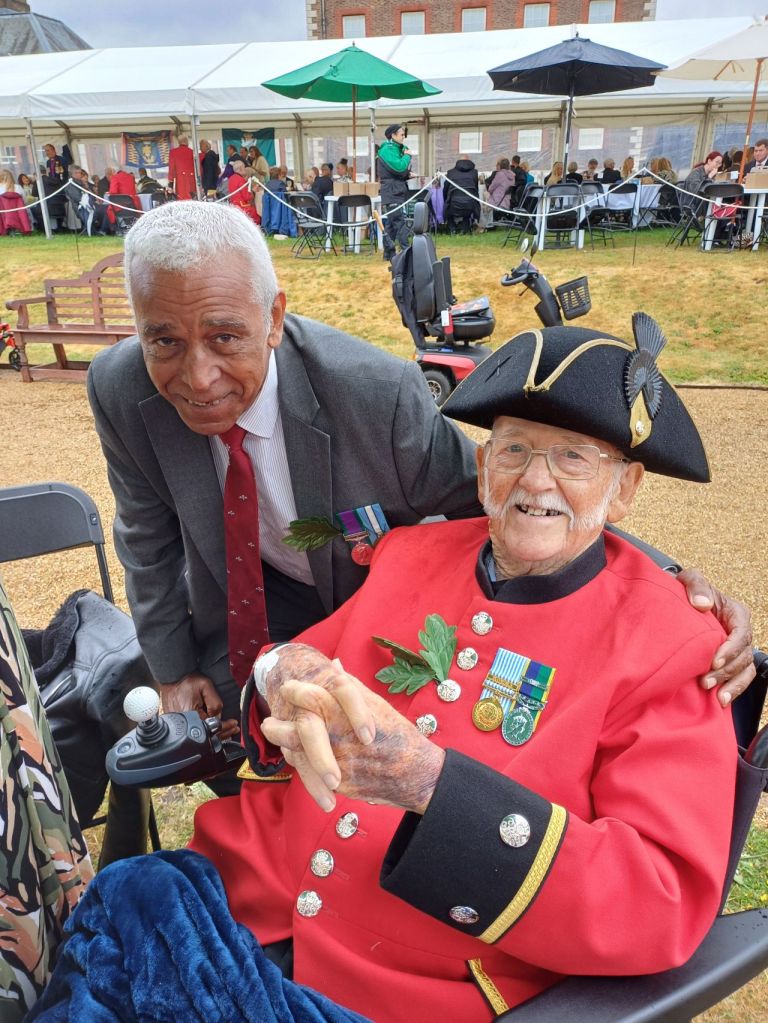
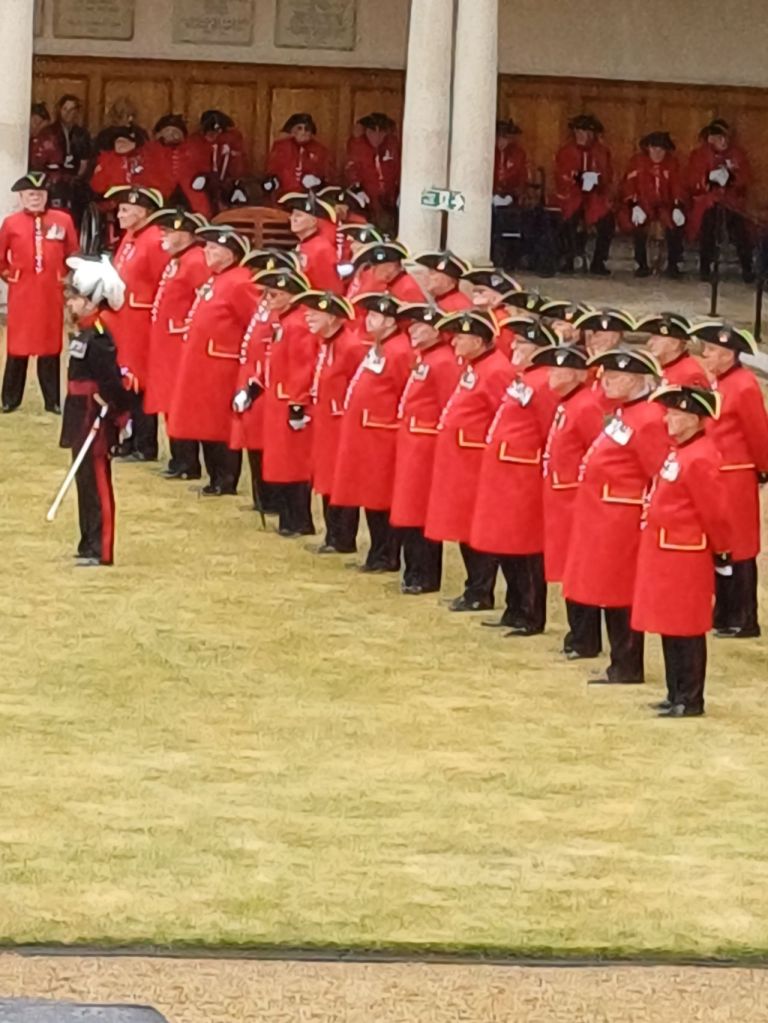
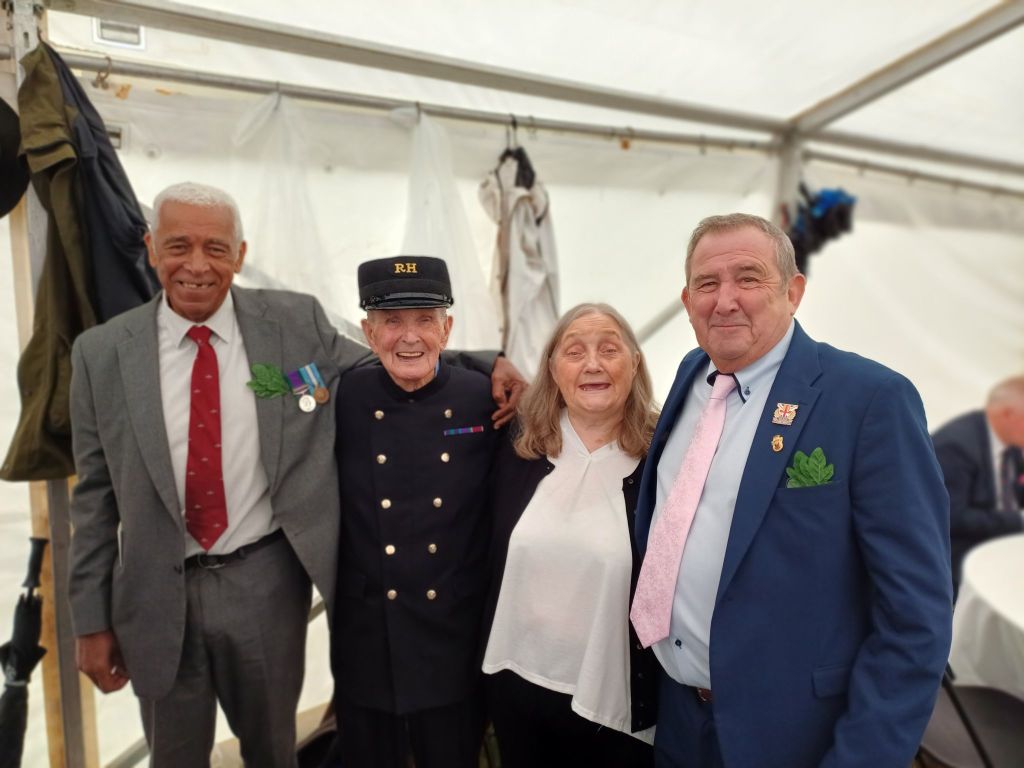
Again, it was an honour to be invited to attend Founders Day of the Royal Hospital Chelsea. The reviewing officer was HRH The Duke of Edinburgh.
The Royal Hospital was established “For the succour and relief of veterans broken by age and war, founded by Charles II, enlarged by James II and completed by King William and Queen Mary in the year of our lord 1692. “
After entering the grounds visitors were given an Oak Leaf to wear in remembrance of King Charles II escaping from Parliamentary troops by hiding in a Oak Tree after the Battle of Worcester in 1651 during the civil.
It was wonderful spending time with veterans of several generations including this veteran of the Korean War and all had incredible stories to tell.
“Victoria Cross should be a signal act of valour…not a single act”
Author and Military Historian Damien Lewis believes those overseeing Paddy Mayne’s Victoria Cross recommendation may have “misinterpreted” the regulations.
He told BFBS Forces News that the “inconceivable mistake needs to be corrected”.
Major John Sehmer whose home unit was the Royal Tank Regiment had already completed an SOE mission in Serbia when he volunteered for a second mission to Hungary accompanied by Private Willis and Wilson as part of Operation Windproof in Slovakia and Hungary to encourage and support a Slovak uprising by partisans; establish communications with London and assist the Hungarian Government to negotiate an armistice with the allies.
Sehmer and his team worked at the maximum range of the RAF Special Duties Halifax bombers based in Bari Italy, which meant they had a limited time over drop zones before having to return to base. Frequent bad weather also made navigation difficult and supply drops were sometimes cancelled. Added to the problems with air operations were political arguments between the Foreign Office in London, Moscow and several governments in exile.
Shortly after Sehmer and his men parachuted into Slovakia on 18 September 1944 he sent a report saying they had been dropped around fifteen miles from the drop zone and almost on top of German troops and ran the risk of being shot by Slovak sentries.
After arriving the ‘Sehmer Team’ joined forces with an American OSS team informally called ‘Dawes Mission’ located in the Hron Valley in the Lower Tatras where they stayed in a farmhouse in a village called Polomka in the Brenzo district located in the Banska region of Central Slovakia.
The date is unknown when the farmhouse was surrounded by 250 men, and some were locals led by the Germans. It was later said a partisan sentry had fallen asleep and axis forces were able to circle the farmhouse undetected before they came under heavy machine gun fire. The partisans with the support of SOE (Sehmer, Wilson and Wills) along with an unknown number of OSS agents held out for three-hours and after being bombarded by German artillery were forced to escape but all were captured.
Sehmer, Willis and Wilson were imprisoned at Banska Bystrica in central Slovakia and on 6 January 1945 were transported to Mauthausen concentration camp and interrogated the same day.
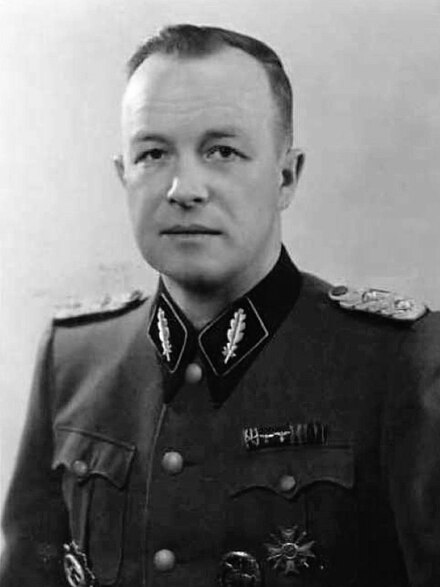
SS-Standartenfuhrer Franz Zieries
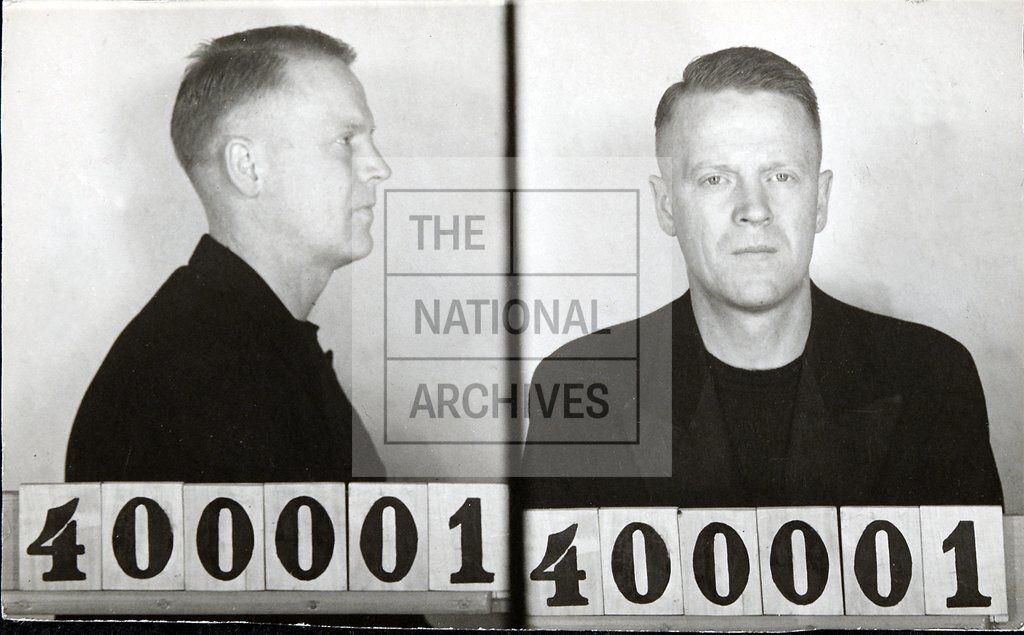
On 7 January Sehmer was badly beaten by SS-Standartenfuhrer Franz Zieries who was the Mauthausen camp commander. It is known Sehmer was suspended by his arms from the ceiling of the interrogation room and tortured for four days.
On or around 23 January 1945 Major Sehmer was shot through the head by camp commander Zieries. It is not known what happened to his body but was most likely thrown into a mass grave along with several American OSS operatives who had also been killed; among the victims was Lieutenant James Holt Green serving with OSS who had arrived by parachute a day before Sehmer and his men. In total, eleven Americans were also shot or beheaded by the Germans. On 24 January 1945 the German overseas news agency made the following radio announcement, ‘Eighteen members of the Anglo-American group of agents headed by an American named Green and an Englishman named Sehmer who posed as a major were caught on Slovakia soil in the hinterland of the German fighting sector. Investigations revealed they had the task to carry out acts of sabotage in Anglo-American interests. The agents who wore mufti when arrested were sentenced to death by court martial.
In January 2004 the commander of the unit that captured the SOE and OSS teams along with partisans was arrested at his home in Munich. The German authorities stated that eighty-six-year-old Ludislav Niznansky was being investigated for the murder of civilians; there was no mention of the men serving with SOE and OSS and Niznansky was acquitted when the case came to trial.
According to the Commonwealth War Graves Commission Major John Sehmer was awarded an MBE!
Alan Malcher
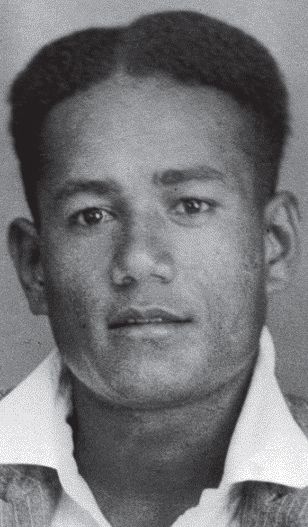
On 23 June 1944 in the Solomon Islands, Corporal Sukanaivalu crawled forward under fire to rescue wounded men. After dragging two men to safety, under heavy Japanese machine gun and mortar fire he returned to rescue another man, but whilst assisting the seriously injured soldier was hit by machine gun fire and fell to the ground. Knowing any attempt to rescue him and the other soldier would result in heavy casualties Sukanaivalu shouted out to his men to leave him. When it was clear they would not withdraw and intended rescuing him, to prevent further casualties Corporal Sukanaivalu deliberately raised himself from the ground to face a Japanese machine gunner and was killed. His citation for the Victoria Cross in the London Gazette dated 2 November 1944 ends with “… This brave Fiji soldier, after rescuing two wounded men with the greatest heroism and being gravely wounded himself, deliberately sacrificed his own life because he knew that it was the only way in which the remainder of his platoon could be induced to retire from a situation in which they must have been annihilated had they not withdrawn.” His body was later recovered by Australian soldiers.
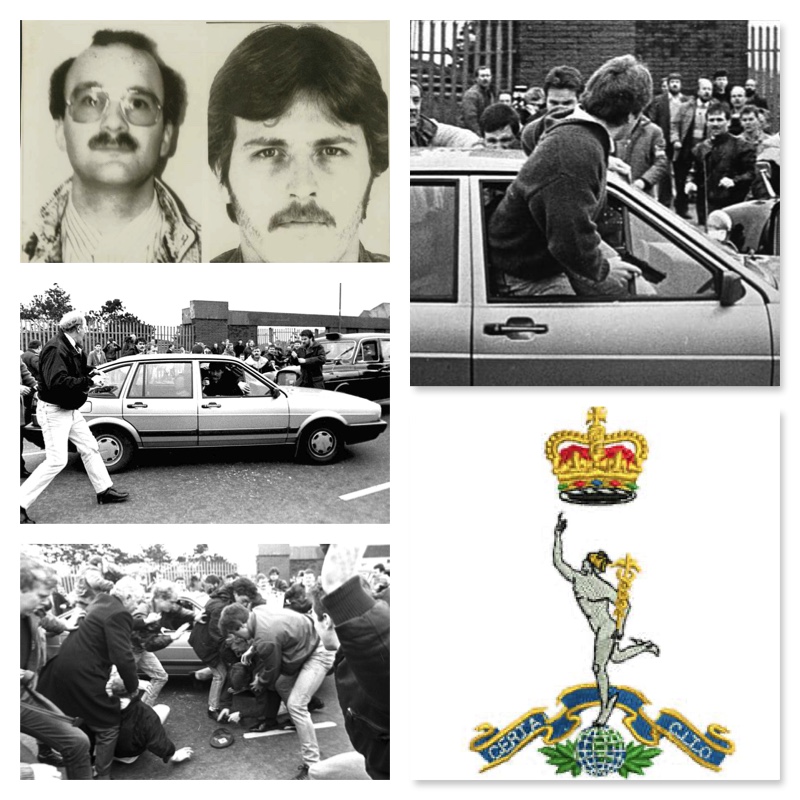
Operation Banner (Northern Ireland). On 19 March 1988 Corporal Derek Wood, aged 24, and Corporal David Howes, aged 23, both serving with the Royal Signals, were wearing civilian clothes and driving a silver Volkswagen Passat with civilian number plates after completing repairs of signal equipment at a military base and were returning to their barracks. After taking a wrong turning they came across a large IRA funeral procession and attempted to reverse in the opposite direction, but their escape route was quickly blocked by a taxi and a car. Their vehicle was then attacked by a crazed mob, Derek Wood fired a round from his Browning HP pistol in an attempt to scatter the mob, but both were quickly overpowered and dragged from their car. Wood and Howes were taken to a sports ground where they were stripped and beaten before being taken to waste ground and shot. Two men were sentenced to life imprisonment for murder but released in 1998 under the Good Friday Agreement. Certa Cito. RIP!
 Alan Malcher